
Pediatric Mental Health Blog
© 2026 COPYRIGHT NOTICE: All original resources, content, and materials produced and displayed on this website are the intellectual property of Child Therapy Guide. These resources are protected by copyright laws and are intended for personal, non-commercial use. Unauthorized reproduction, distribution, or any other unauthorized use of the content without explicit permission from Child Therapy Guide is strictly prohibited. Users are encouraged to enjoy and utilize the resources responsibly, respecting the copyright and intellectual property rights associated with the content. For any inquiries or requests regarding the use of our materials, please contact us through our contact form.
Child Therapy: Games
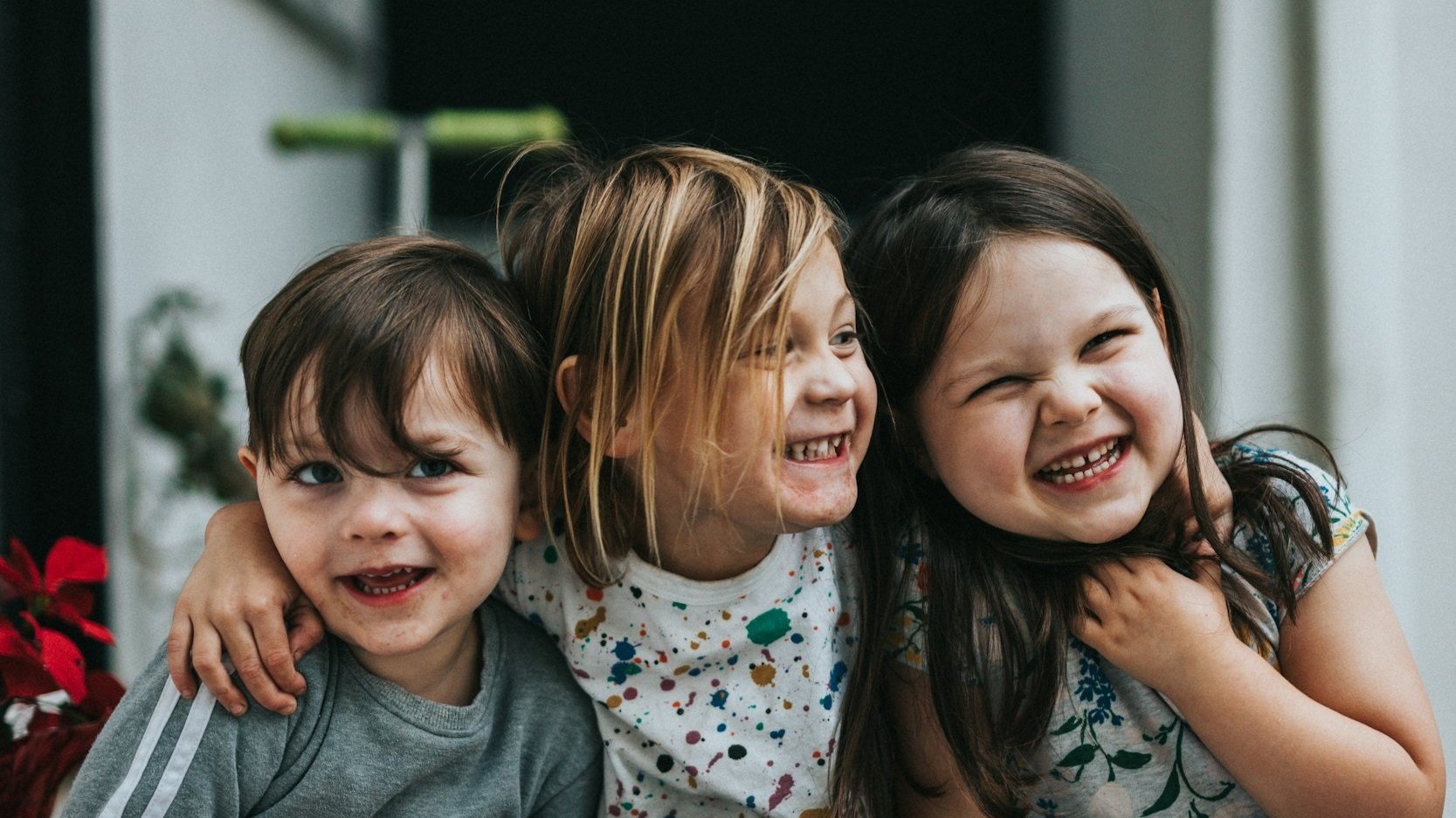
In counseling, games are experiential tools that build rapport and contribute to effective therapeutic outcomes. Cooperative games help kids learn the significance of collaboration, integrity, and respect.
Read on for tips on how to use games to foster positive sportsmanship through a social-emotional learning lens!

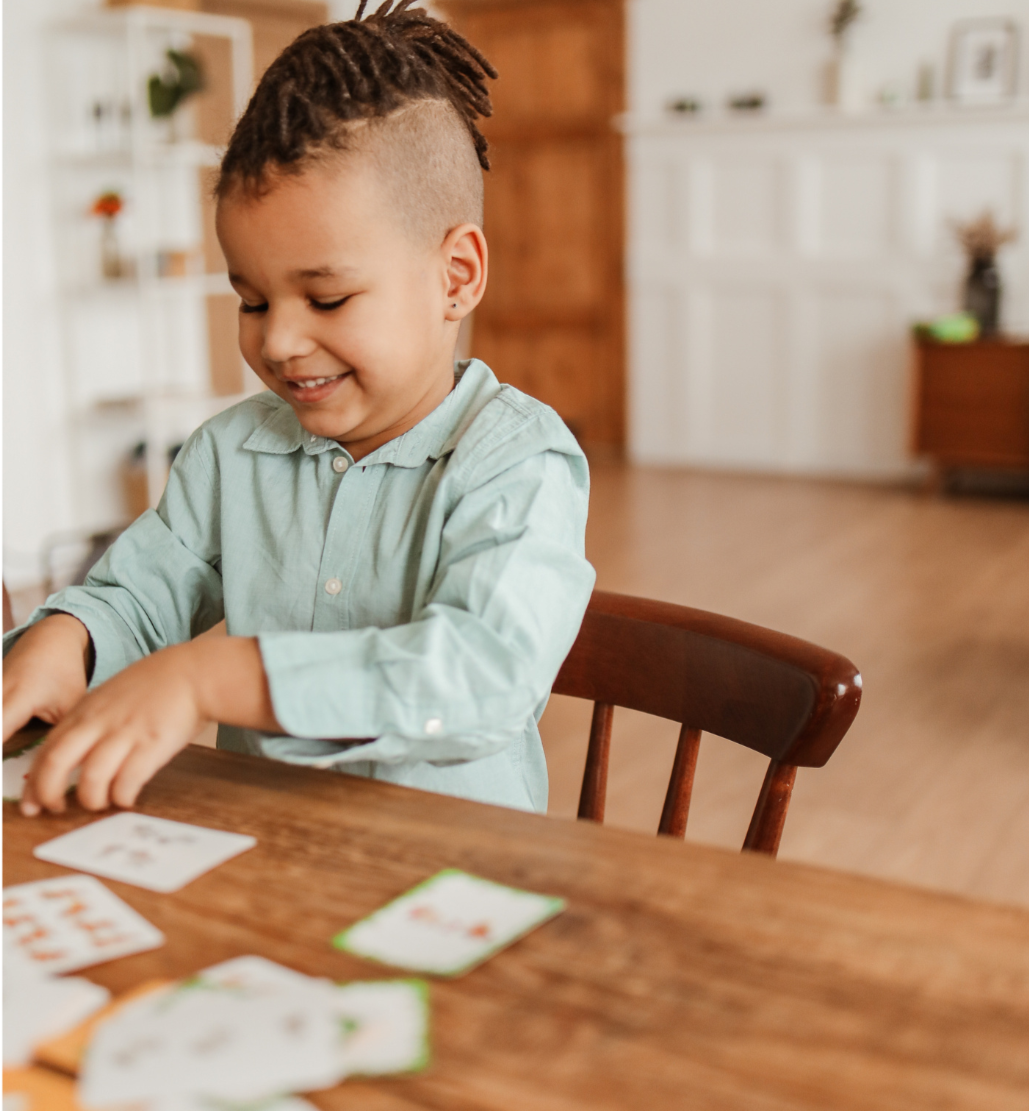
How To: Reciprocal Conversation with Kids
Reciprocal conversation is an active exchange of thoughts, ideas, curiosity, and attention. It’s a valuable skill and we can help kids cultivate it through engaged, thoughtful discourse.
Check out our FREE printable resources!
Five Kinds of Therapeutic Play
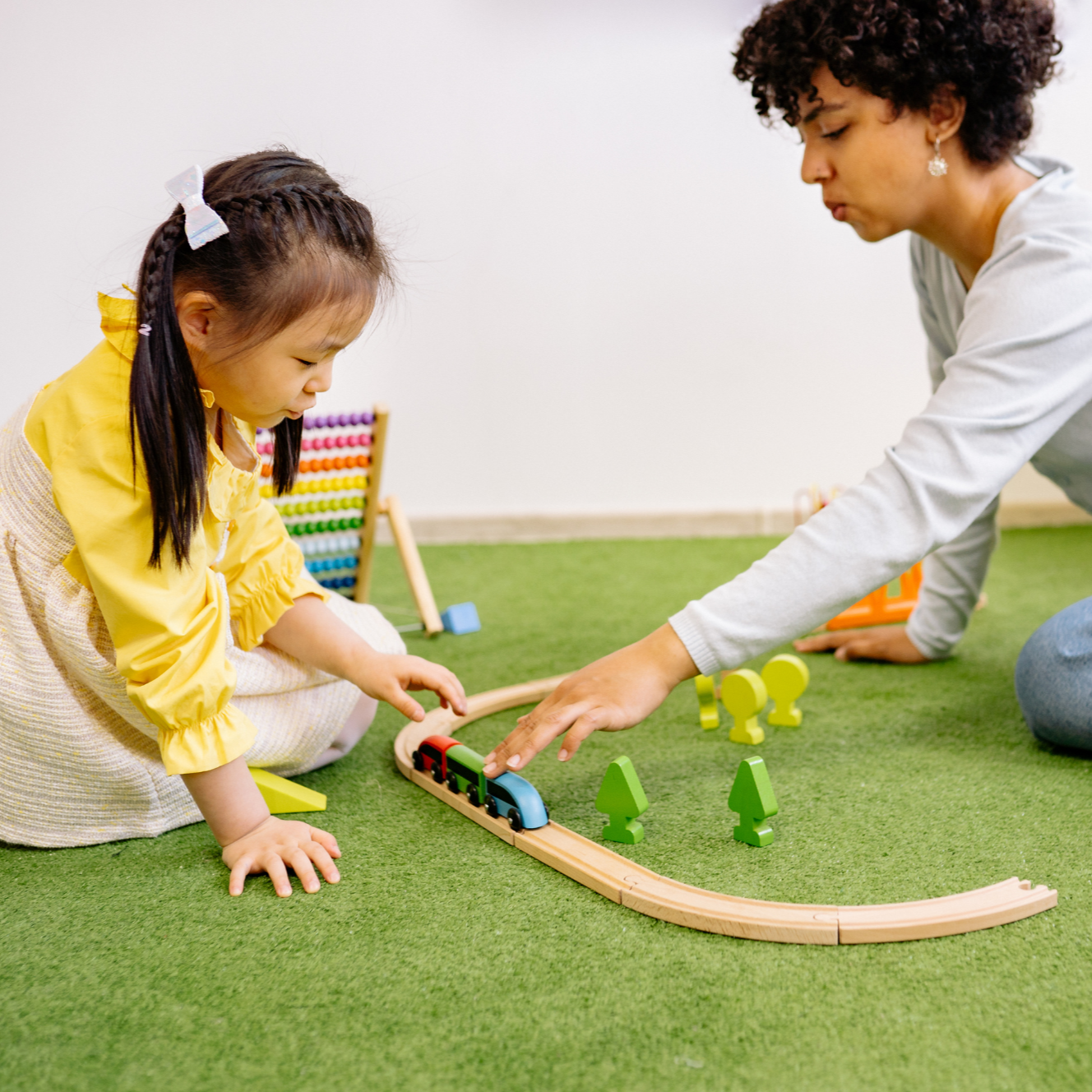
Play is a fundamental aspect of child development that nurtures imagination and prosocial skills. Through play, kids can explore their interests, experiment with ideas, and practice navigating curated scenarios.
Play, in all its forms, is a vital component of a holistic approach to learning and development.
Social Anxiety: Let’s Make a Plan!
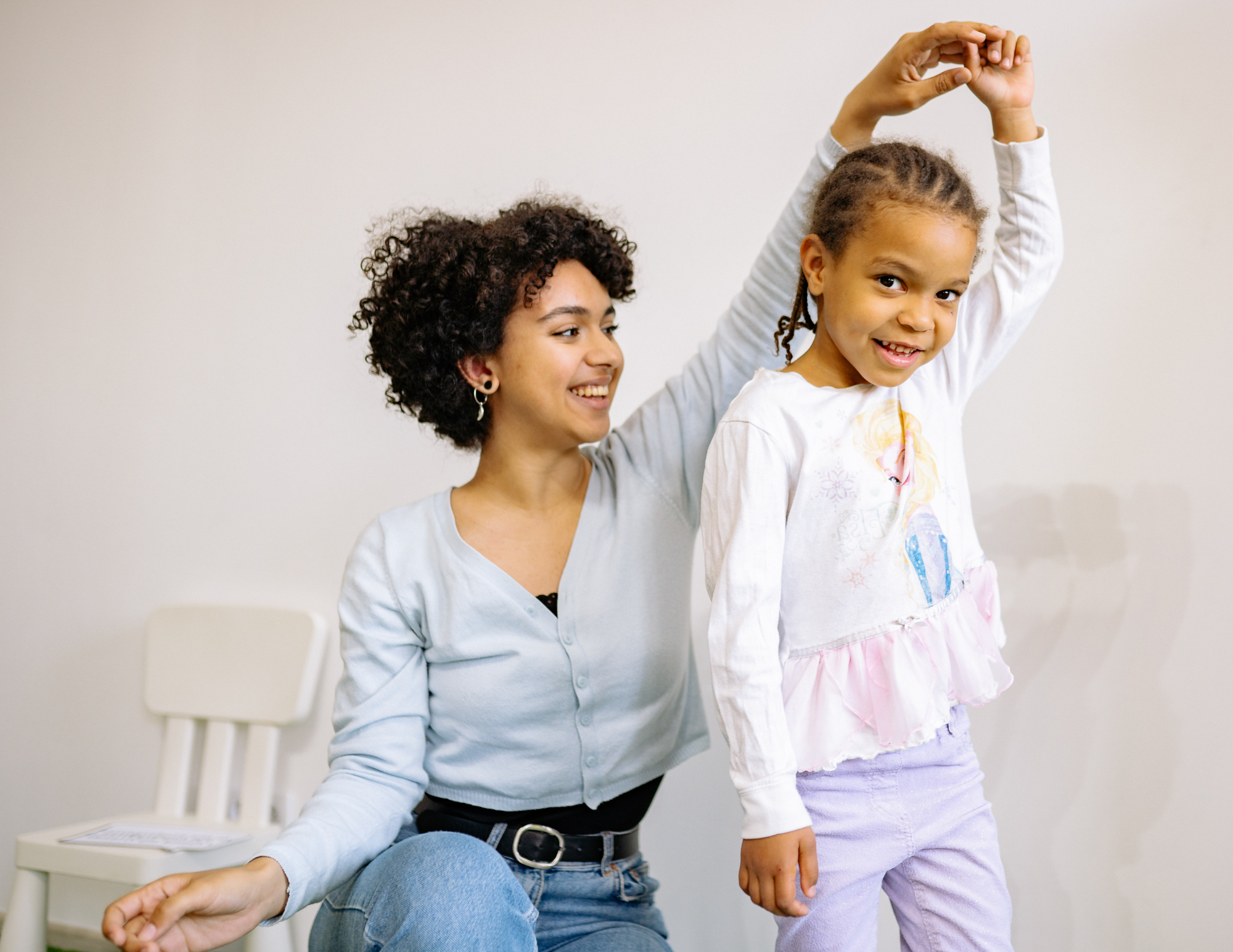
Social events can be overwhelming, but with guidance, kids can learn to anticipate, navigate, and thrive through uncertainty. We have collected our favorite free printable resources to help kids build confidence and prosocial skills.
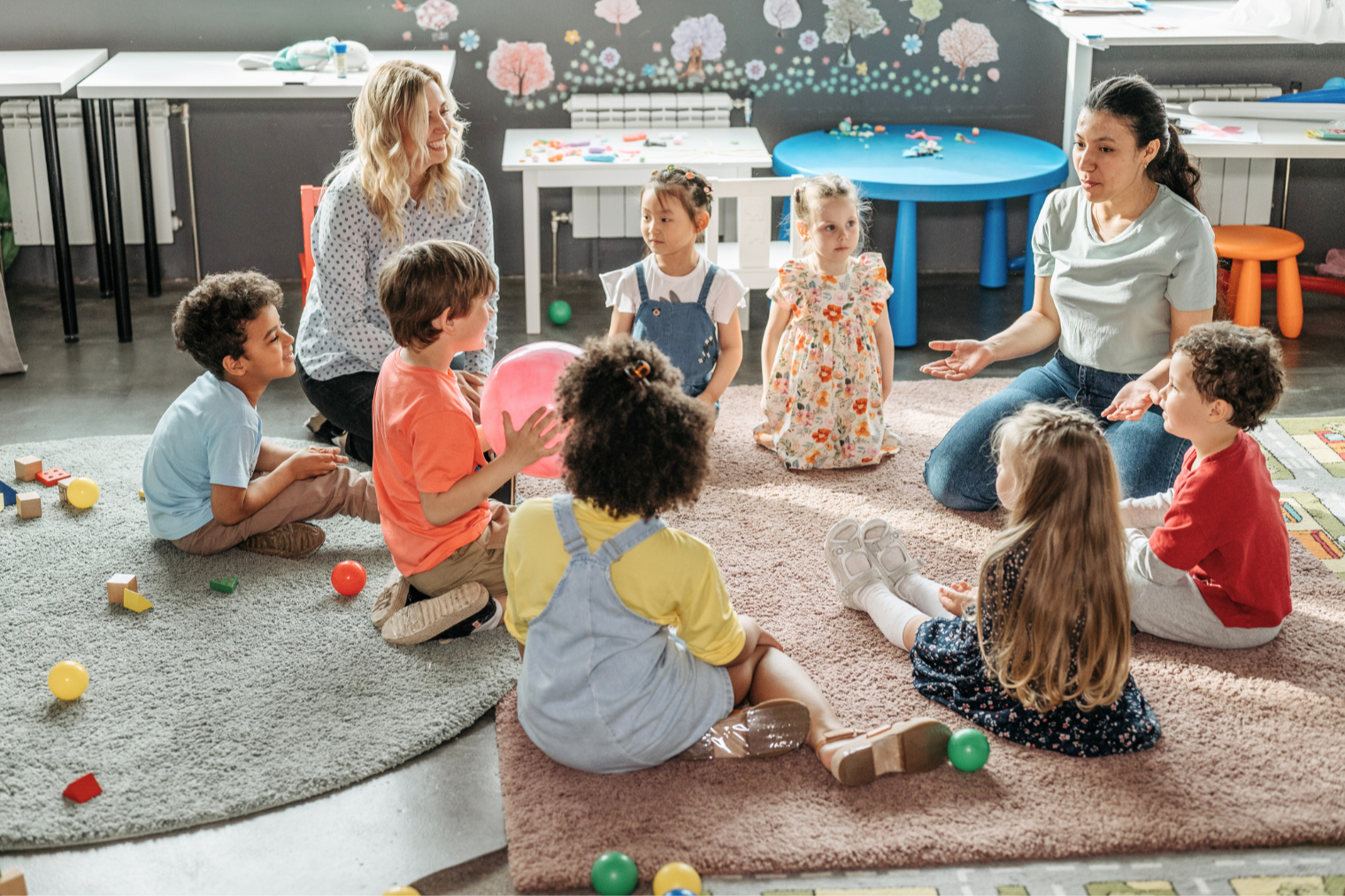
The Empathetic Classroom
Developmentally, young children begin to emerge from an egocentric mindset in preschool and early elementary school. Teachers and parents can help guide the development of empathy through stories, cooperative games, conversation starters, and, perhaps most importantly, modeling behavior.
Read on for free resources to support empathetic development.

Is My Child Shy or Just Quiet?
Is my child shy or just quiet? While they co-occur, shyness is different than being quiet. Shyness involves a persistent presence of anxiety. As with any area of mental health, shyness can present in various forms and have a diverse impact on a person’s daily operations. Shyness is only seen as a “problem” if it has a continuous negative impact on a person’s functioning and/or causes the person significant distress. Read on to learn more!
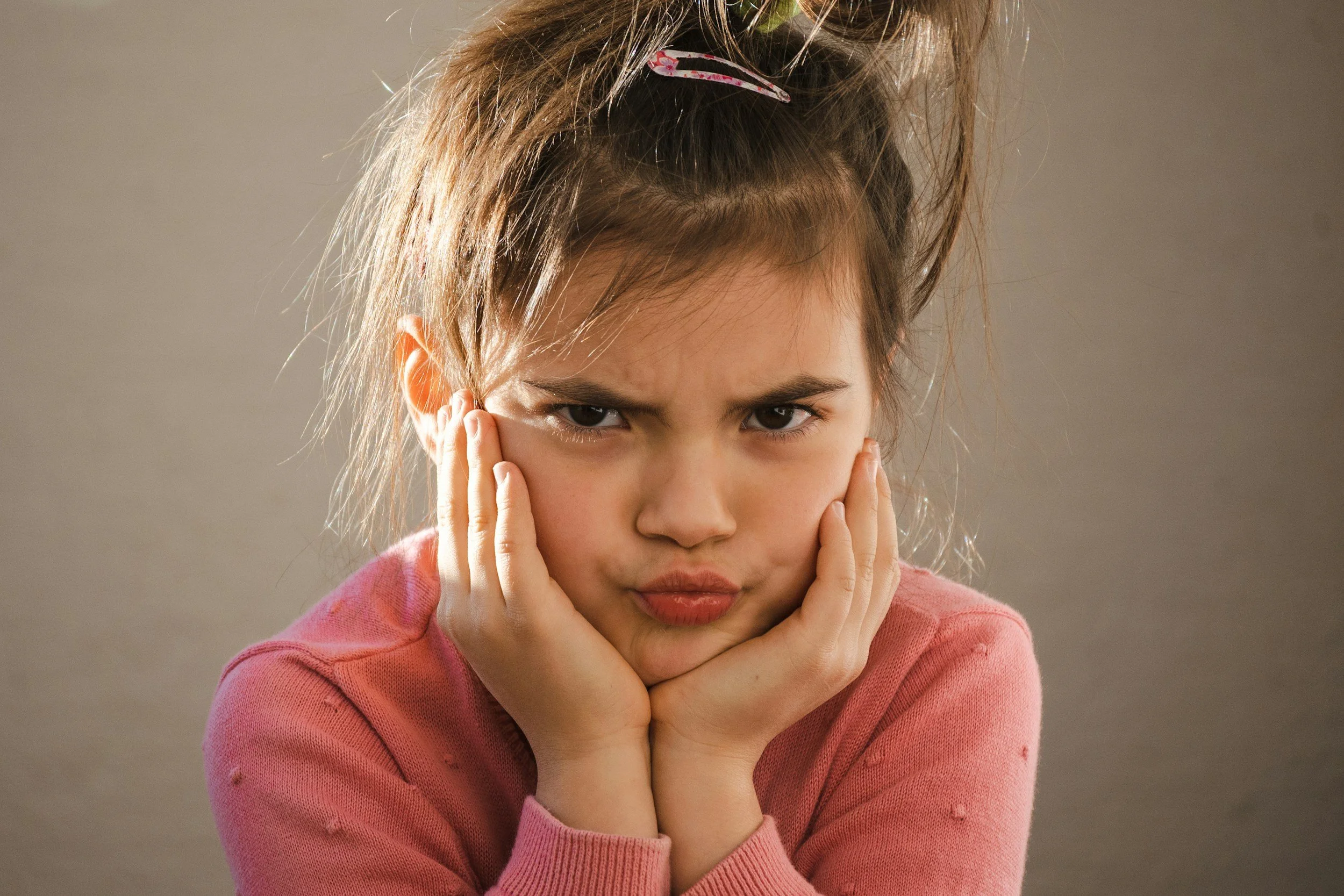
Kid’s Books and Resources About Anger
We’ve collected 5 children’s books and 5 free resources that guide kids through the process of identifying, expressing, and coping with angry feelings in constructive ways. Through storytelling, we can validate the experience of anger while providing supportive navigation.

Teaching Kids Cause And Effect
Exploring cause and effect with kids helps them to understand the physical, social, emotional, and functional consequences of behaviors. This reflection on behaviors allows them to appropriately repair negative or unintended consequences, and refine future behaviors to seek positive outcomes.
Read on to learn how to talk to kids about Cause & Effect!
![How to [Realistically] Face A Bully](https://images.squarespace-cdn.com/content/v1/64f7406998895619a632c4af/1756838967301-4M7KBDSQM8UP0HSXSXVG/How+to+face+bullying.png)
How to [Realistically] Face A Bully
When working with victimized kids, it can be helpful to talk about preserving their “light” over confronting the bully. Some kids feel empowered to stand up to their bully, but many lack the social supports and/or confidence to successfully navigate a confrontation. In these cases, remind them that they don’t have to do anything except shield their light.
We have collected 10 of our free printable resources to help kids find their light and build self-esteem.

Would You Rather…?
“Would you rather…?” questions encourage kids to consider and compare outcomes while learning to articulate personal preferences. The exploration of likes, dislikes, passions, and outcomes builds confidence and supports emotional development.
Read on for access to our free printable resources that promote meaningful conversation!

Worksheets for Child Therapy: Activities
Our free printable therapeutic activities provide creative outlets for kids to explore their emotions, understand their behaviors, and develop essential coping skills.

Navigating Emotional Dysregulation in Kids
Emotional regulation is often equated with calmness, but that’s not the whole picture. Rather, emotional regulation is effective management of all emotions. Anger, sadness, frustration, jealousy, grief, excitement, shock, elation, fear are not generally “calm” emotions, but a person can experience them from a place of governance.
Read on to learn more, and explore our free printable resources!

Teaching Togetherness
Perspective-taking takes practice, but it is essential for helping kids develop empathy, emotional intelligence, and prosocial skills. The value of being able to decode the motives of others is the ability lead with compassion, resilience, and logical reasoning. Read on to learn more about perspective-taking through storytelling!

Navigating Childhood Friendships
Exploring a child’s interactions with peers can be a glimpse into their emotional well-being and social functioning. These early relationships are where children practice empathy, navigate conflict, and form a sense of identity outside the family unit.
Read on to learn more about helping kids to prepare for and manage social challenges!

How To: Behavior Charts
By visually tracking progress on a sticker chart, we can help kids increase motivation, develop self-discipline, and reinforce positive habits. Read on to learn best practices for behavior charts!

Draw Your Day
This free printable art therapy activity highlights two main skills: routine conceptualization and emotional exploration. By preparing for and embracing the natural ebbs and flows of a day, kids can improve their adaptive functioning and lead more balanced lives.

Emotion Scales
An emotion scale is a therapeutic tool used to help individuals identify, communicate, and track their emotions. Learn more and print our FREE PDF emotion scales!
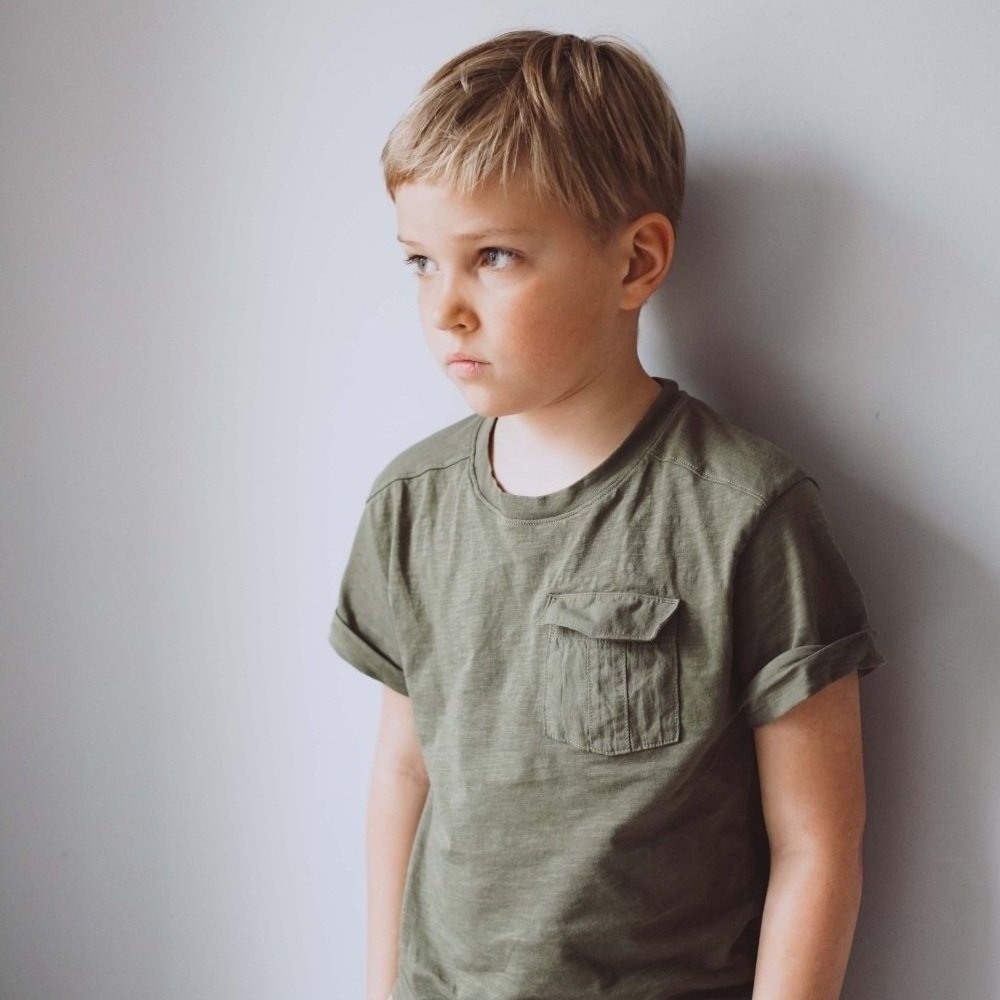
How to Manage Jealousy
By encouraging open conversations about why jealousy happens, we can help children develop empathy for themselves and others. Practicing gratitude, focusing on personal strengths, and learning to celebrate the successes of others can turn jealousy into an opportunity for growth.
Read on for a free printable worksheet about jealousy!

8 Mindfulness Worksheets for Kids
Mindfulness practice offers a guided pathway for children to develop a sense of calm, self-awareness, and emotional regulation. Our collection of free printable PDF mindfulness worksheets provides a variety of engaging activities designed to help kids explore presence of mind, manage stress, and cultivate emotional well-being.
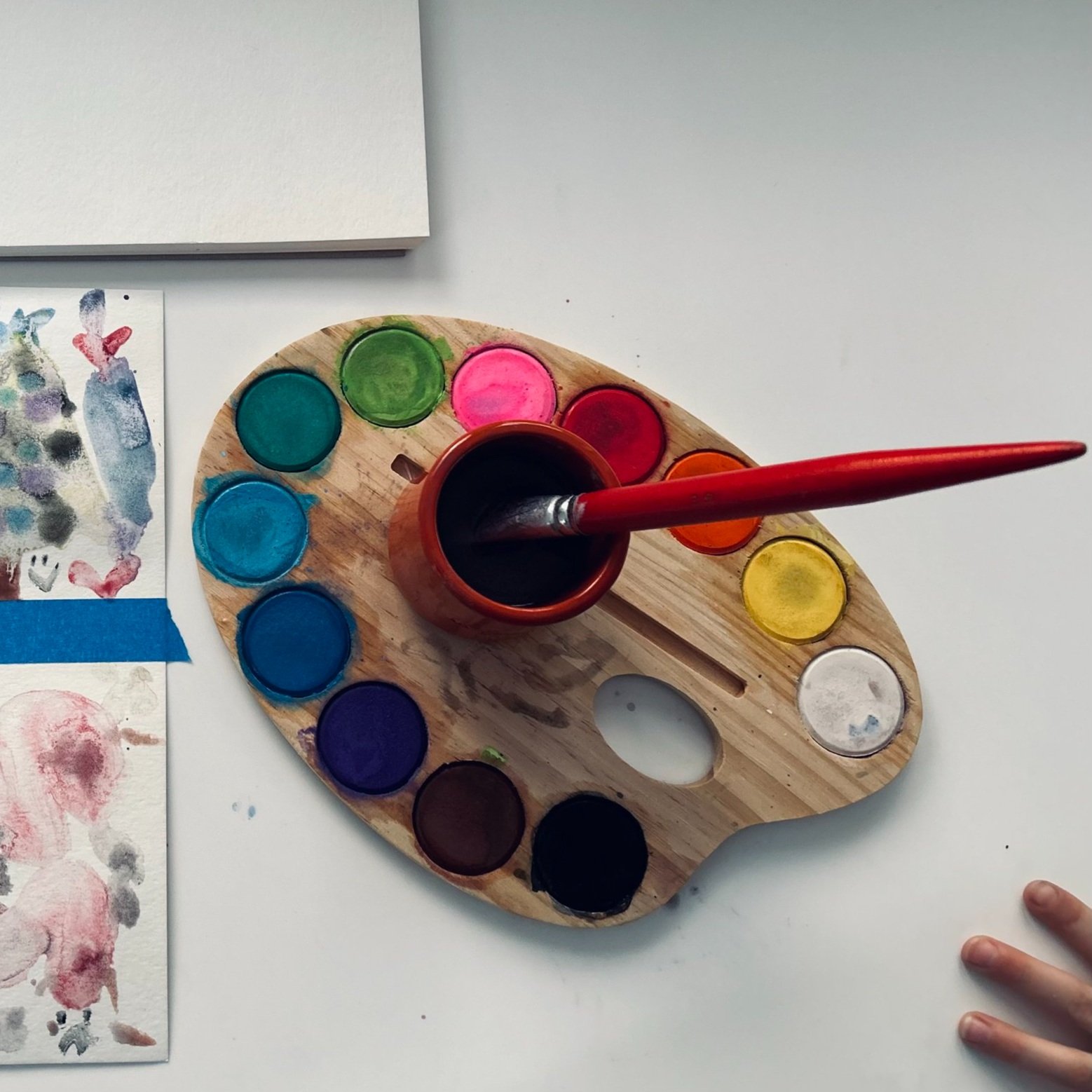
Art Therapy: Emotion Storms
Looking at a storm through a window allows us to see what’s happening while staying safe inside. In a similar way, this therapeutic art activity gives kids an opportunity to conceptualize, visualize, and explore different emotions from a safe distance. Read on to learn how to do it!