Is My Child Shy or Just Quiet?
Is my child shy or just quiet?
While they co-occur, shyness is different than being quiet. Shyness involves a persistent presence of anxiety. According to Kalutskaya et al. (2015), “shyness is a temperamental trait characterized by wariness, fear, and self-consciousness in social situations.” As with any area of mental health, shyness can present in various forms and have a diverse impact on a person’s daily operations. Shyness is only seen as a “problem” if it has a continuous negative impact on a person’s functioning and/or causes the person significant distress.
Potential negative impacts of shyness:
“In elementary school, child shyness is associated with a wide range of socioemotional difficulties, including poor peer relationships (e.g., exclusion, victimization), internalizing problems (e.g., low self-esteem, anxiety, depression), and academic adjustment problems (e.g., lack of engagement, poor academic performance)” (Kalutskaya et al., 2015).
Does my child need help?
First, consider the need for intervention. Not all shyness is pathological and it is important to consider temperament, situation, and personality before remediating behaviors. Here are some considerations:
Age: Is the shyness developmentally appropriate? Young children may display separation anxiety as part of normal development. Typically, they will outgrow this kind of shyness around school-going age.
Circumstance: Is the shyness situational? What kind of situations bring out shy behaviors? Are the behaviors sustained or do they fade when the child adjusts to the environment? Many children feel hesitant when faced with new situations. An inability to adjust to new, safe settings may indicate an underlying need for concern.
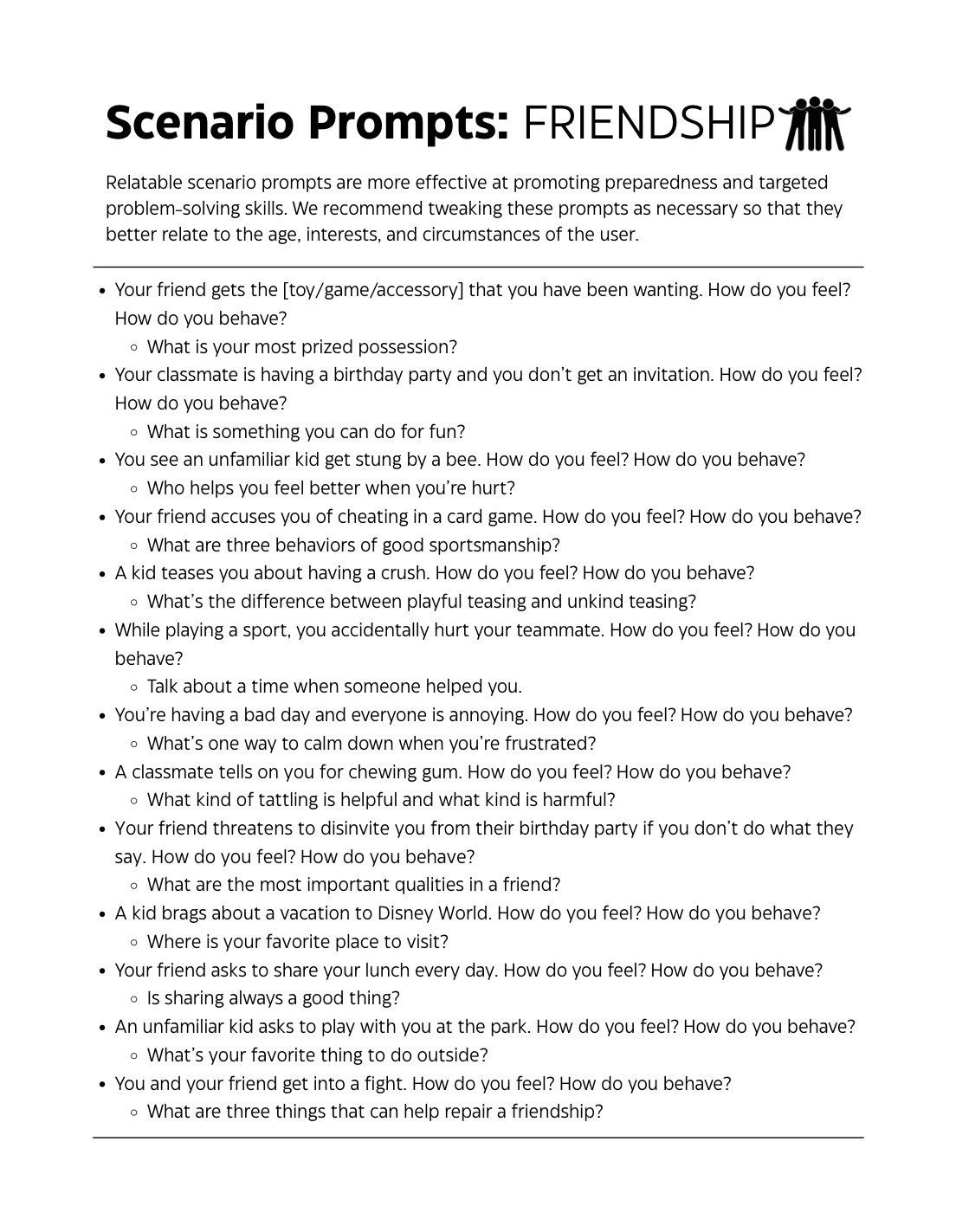
Social Consequences: Is the child able to make and sustain friendships? If not, does this bother the child or are they content with a more individualistic approach to social situations? Not everyone has the same social needs, so use observation and consultation to understand if there is a need for intervention. With social anxiety, scenario prompts can help kids think about and prepare for prosocial behaviors.
Avoidance: Does your child miss out or avoid situations due to shyness? Avoidance is an indicator that the child’s shyness is having a significant negative impact on their functioning. Allowing a child to consistently avoid social situations may reinforce their anxieties. Gentle, supported exposure to avoided stimulus can help kids build tolerance for social discomfort while increasing self efficacy and resilience.
Anxiety: Shyness and anxiety are closely tied. Shyness indicates a level of anxiety the evokes a hesitance to participate in social activities. Clinical symptoms related to anxiety include: excessive worry, school refusal, clinginess to caregivers, panic or tantrums when separated from caregivers, trouble sleeping, specific phobias, selective mutism, avoidance of social situations, low self-esteem, irritability, and physical symptoms such as stomach aches, heart palpitations, and headaches. If you believe your child displays symptoms of clinical anxiety, reach out to school staff or your pediatrician for a behavioral health referral.
Neurodivergence: Social functioning can be perceived and performed differently by children with autism spectrum disorder, ADHD, and other neurodiverse diagnoses. It is important to consider processing abilities when addressing shyness in neurodivergent kids.
Emotional Distress: Does the child feel dissatisfied with their social temperament? This is one of the biggest indicators that intervention may be needed. Distress about one’s social functioning can lead to adverse peer, self-esteem, and academic outcomes.
Learn more about professional interventions:
How can I support my child at home?
Support your shy child at home by practicing emotional literacy skills and gentle exposure to new situations. A great way to help a child explore shyness is through bibliotherapy. Books can help kids learn how to identify and express their emotions while safely exposing them to situational conflict and resolution.

What is Bibliotherapy?
Bibliotherapy is a therapeutic approach that utilizes literature as a means to address and alleviate emotional, behavioral, and social challenges. The power of storytelling allows kids to explore those challenges from a safe space within the pages of a book.
Books can help us make sense of the world and the act of simply reading a story with a child has immense value. If they are up for it, you could also engage kids in a guided reflection exercise at the end of the story with a few simple questions:
Which character is most similar to you? How?
Which page do you like best? What do you like about it?
Is there a problem in this story? Does it get fixed?
Picture Books About Shyness
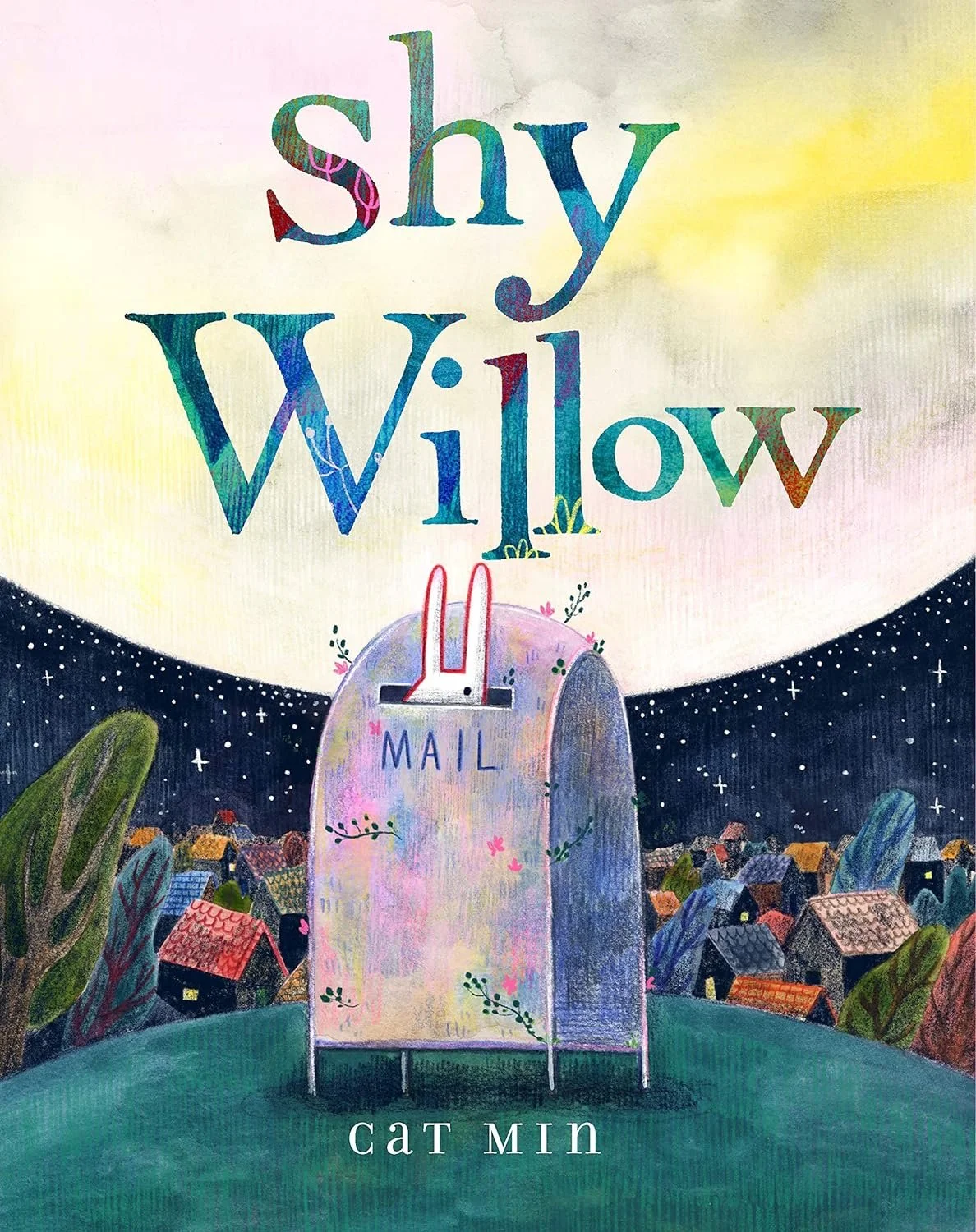
by Cat Min
A breathtakingly illustrated story about shyness, the power of empathy, and what it means to make a friend -- ALSO AVAILABLE IN SPANISH!
Willow is shy. VERY shy.
Her home is in an abandoned mailbox, and she'd rather stay put. Outside kids scream and soccer balls collide, trees look like monsters, and rain is noisy in a scary kind of way. It's much nicer to stay inside, drawing. But then a young boy drops a letter in Willow's mailbox: it's a note to the moon asking for a special favor. Willow knows that if she doesn't brave the world outside, the letter will never be delivered, and the boy will be heartbroken. Should she try? Can she?
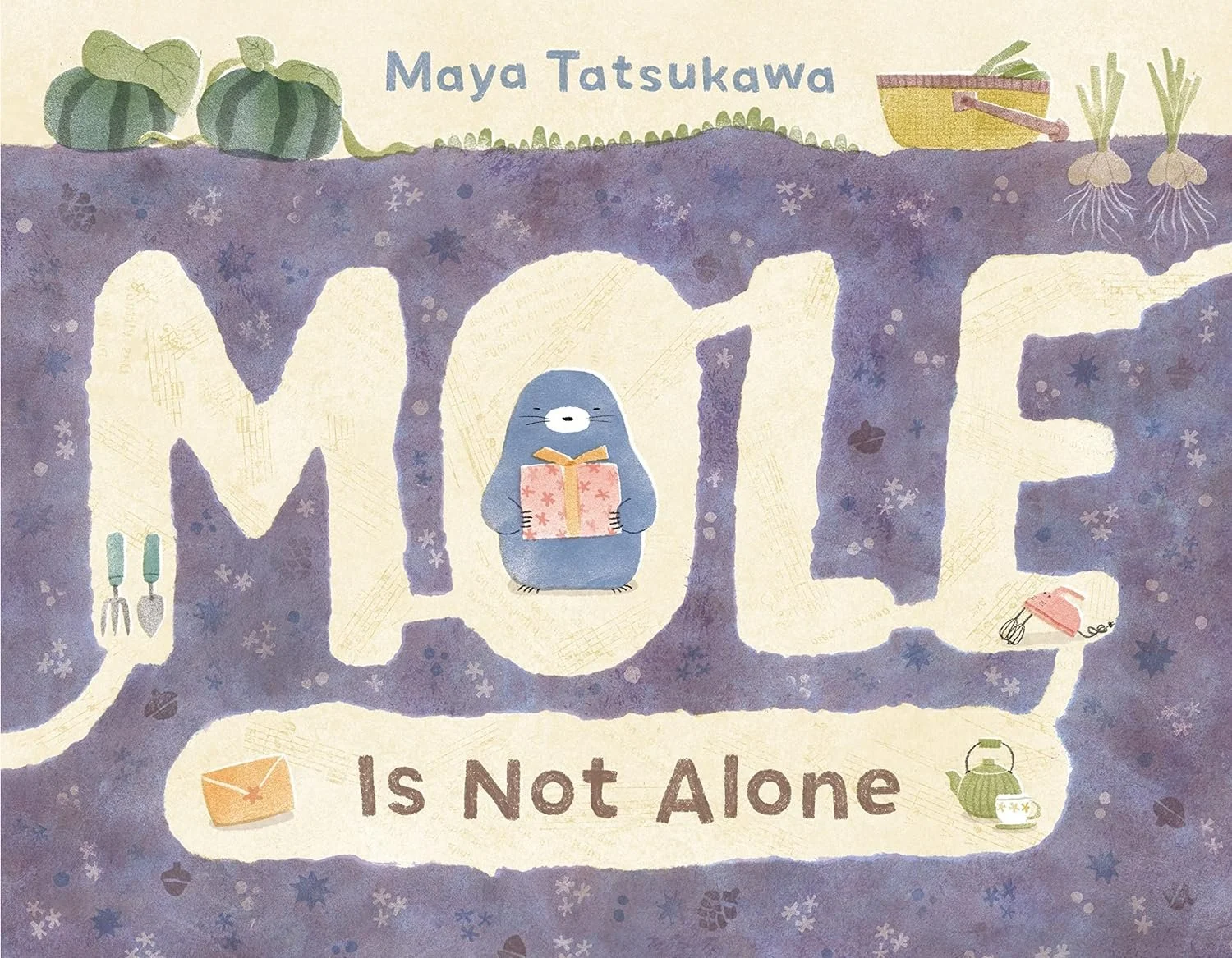
by Maya Tatsukawa
In this cozy picture book about friendship, Mole anxiously decides to journey through underground tunnels to attend a party.
Mole is invited to a party, which is very worrisome. What if the party is too rowdy for Mole? What if Mole doesn’t know anyone there? What if Mole is just too shy to make friends? Mole worries through the tunnels, around Snake’s burrow, under the forest, past Bear’s den, and all the way to Rabbit’s door. But despite all those worries, maybe Mole can find a quiet way to make friends…
With warm and sweet illustrations, every page of Mole Is Not Alone is an invitation to look and look again. Readers can follow Mole’s tunnel as it connects from one page to the next, learning along the way that everyone can make friends, even if some parties are quieter than others.
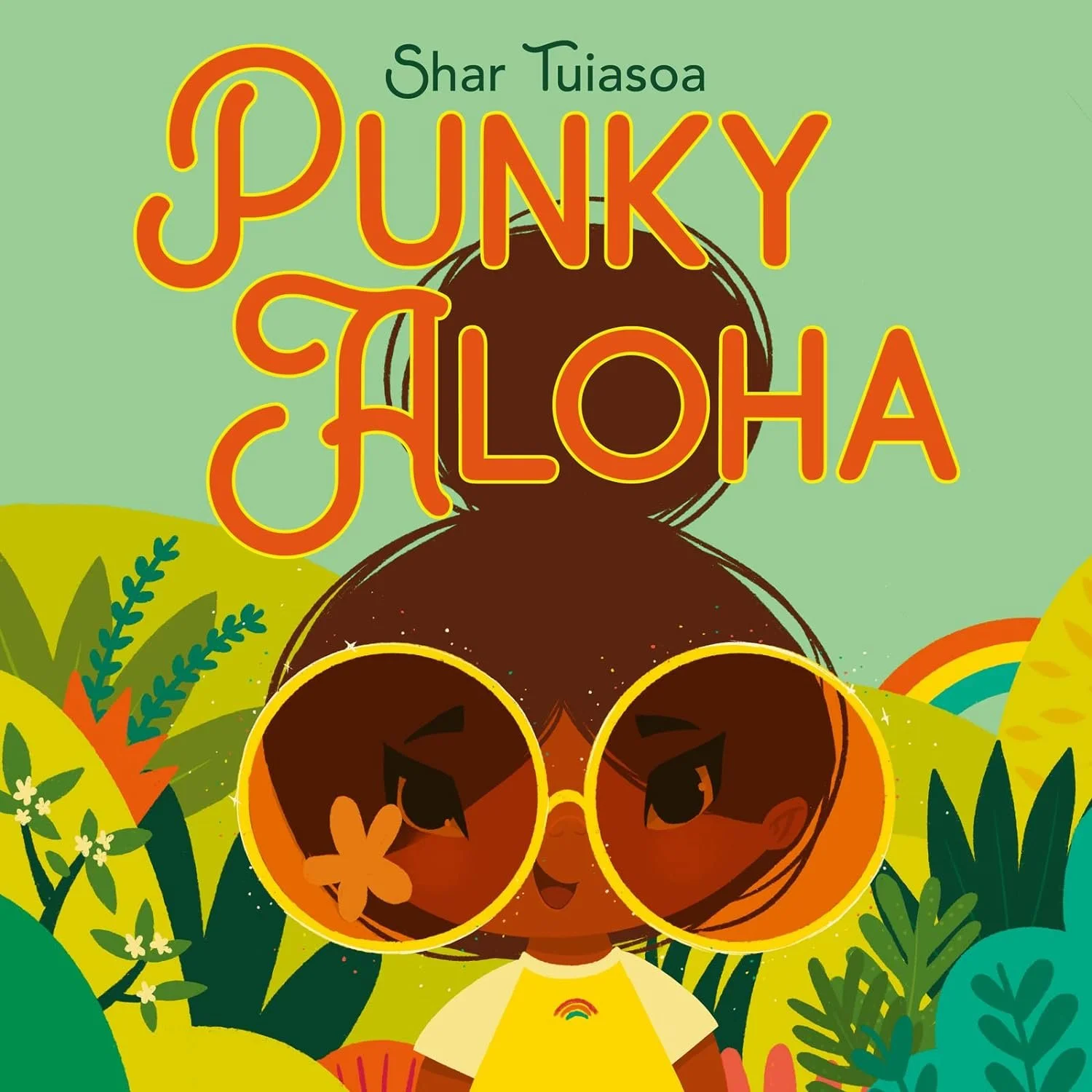
by Shar Tuiasoa
Meet Punky Aloha: a girl who uses the power of saying "aloha" to experience exciting and unexpected adventures!
Punky loves to do a lot of things—except meeting new friends. She doesn’t feel brave enough.
So when her grandmother asks her to go out and grab butter for her famous banana bread, Punky hesitates. But with the help of her grandmother’s magical sunglasses, and with a lot of aloha in her heart, Punky sets off on a BIG adventure for the very first time.
Will she be able to get the butter for grandma?
Punky Aloha is a Polynesian girl who carries her culture in her heart and in everything she does. Kids will love to follow this fun character all over the island of O’ahu.
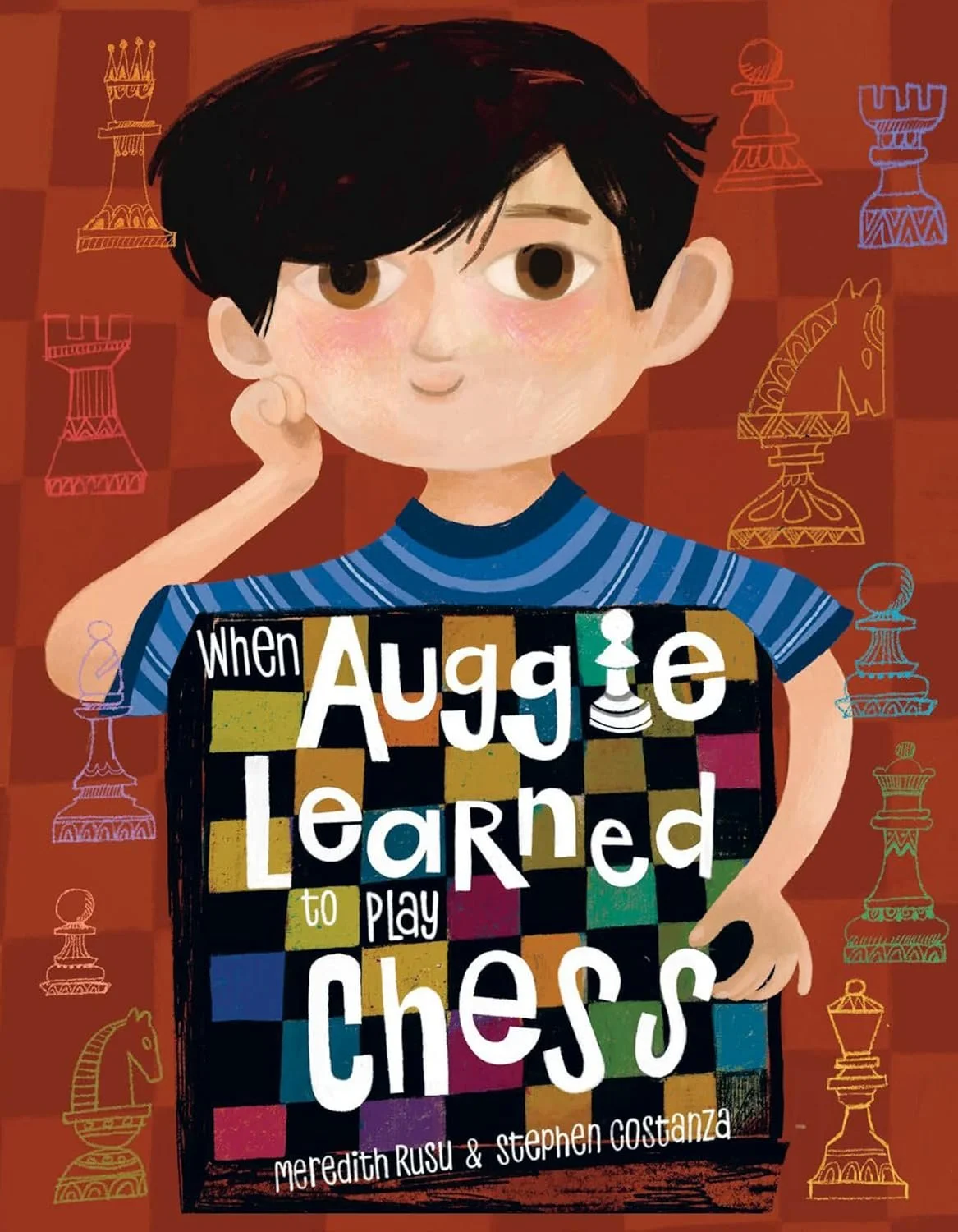
by Meredith Rusu & Stephen Costanza
In this heartfelt picture book, a shy kid's dad teaches him how to play chess... and chess gives him the confidence to make a new friend.
When Auggie finds an old chessboard that once belonged to his grandfather, he decides he wants to learn how to play chess. And his dad, his Tatâ, is happy to teach him.
They've just moved to a new town, and Auggie is struggling to make friends at his new school. In the big, busy hallways, he feels like a tiny pawn. But after every hard day at school, he can't wait to play chess with his dad. Slowly, slowly, he gets better at the game... until he can beat Tata!
Then, Auggie finds a chessboard in his classroom. When he sees that another boy looks interested in it, he knows just what to do: he can teach Luke how to play chess, too!
Here is a moving father-son story that shows how chess helps one boy feel at home in a new environment.
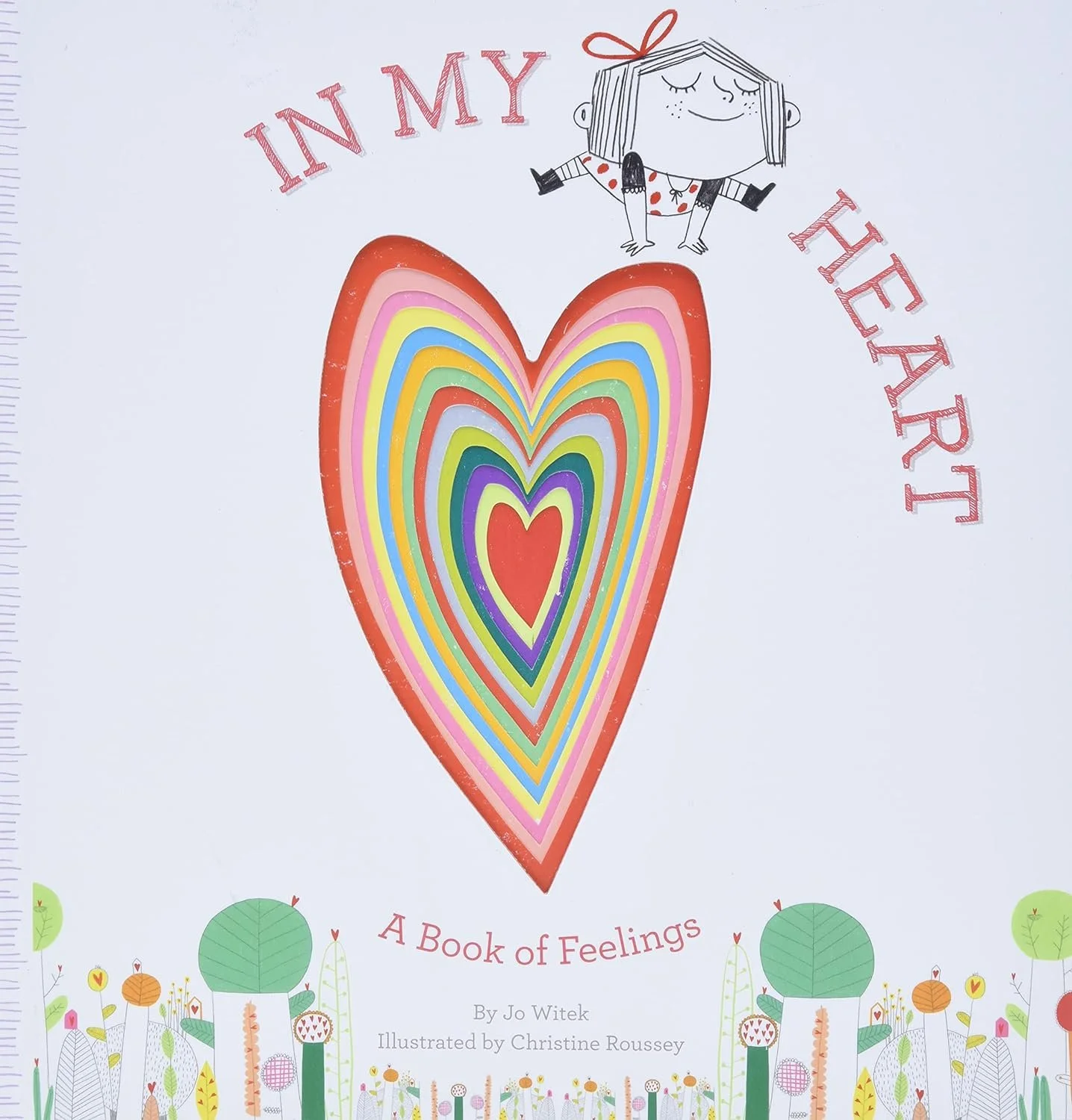
by Jo Witek & Christine Roussey
Celebrate feelings in all their shapes and sizes with In My Heart: A Book of Feelings, a New York Times bestselling full-color, interactive picture book from author Jo Witek and illustrator Christine Roussey
With charming text, whimsical illustrations, and an irresistible die-cut heart that extends through each spread, this gorgeously packaged and unique feelings book is a storytime and bedtime favorite. It will not only help your little one understand their feelings, but you'll also hear, "Read it again!"
Happiness, sadness, bravery, anger, shyness . . . our hearts can feel so many feelings! Some make us feel as light as a balloon, others as heavy as an elephant.
In My Heart explores a full range of emotions, describing how they feel physically, inside, with language that is lyrical but also direct to empower readers to practice articulating and identifying their own emotions.
Anxiety and Shyness:
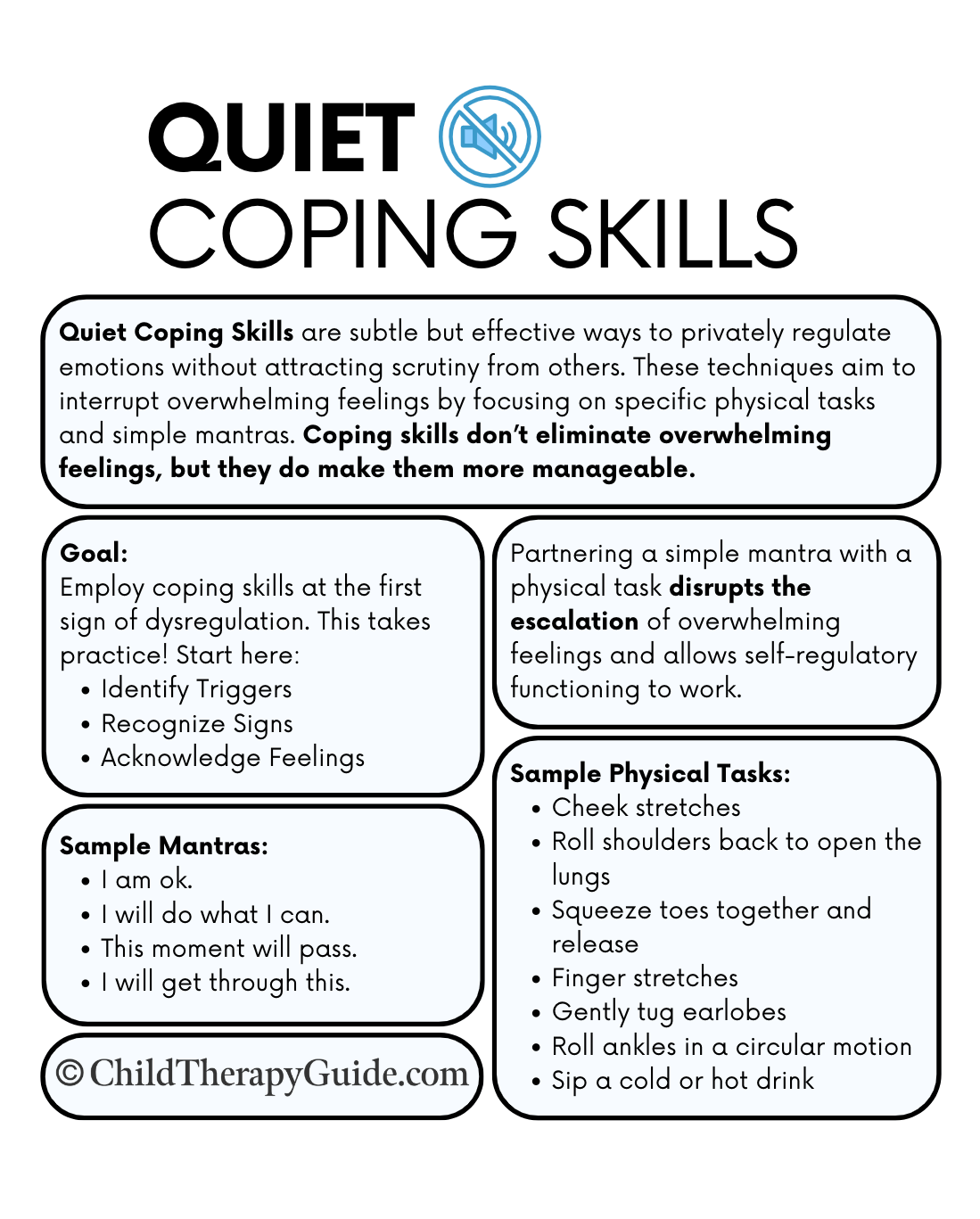
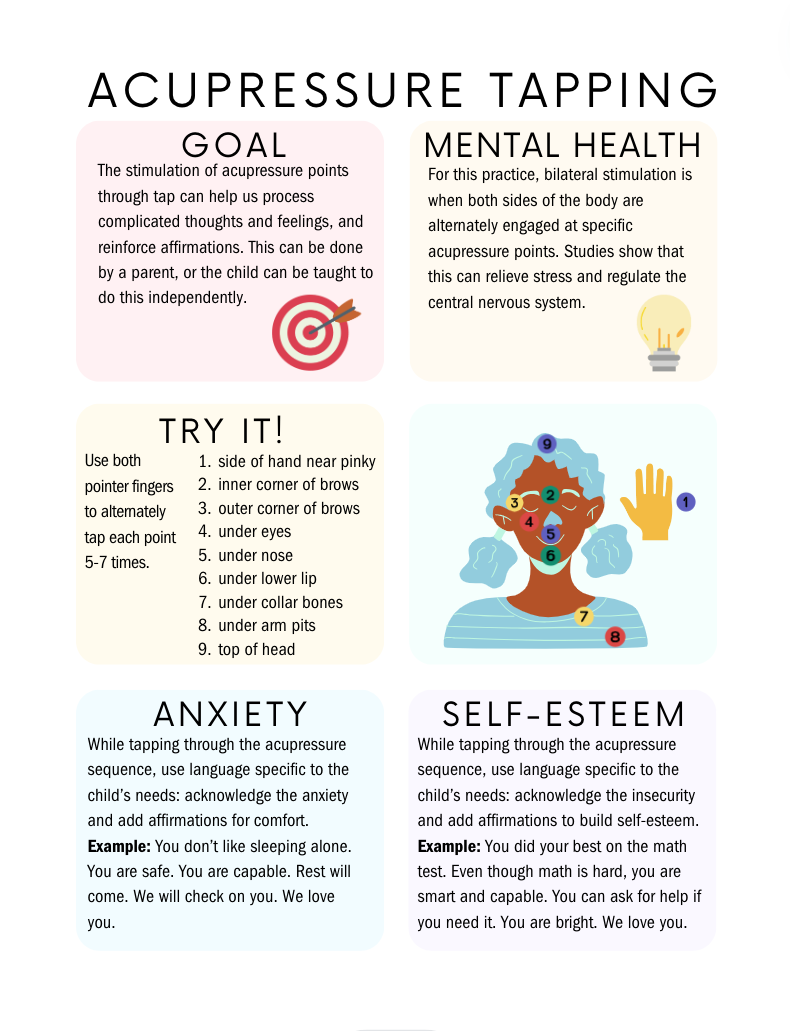
Shyness is closely linked to anxiety. Our collection of picture books about anxiety is thoughtfully curated with relatable characters and narratives that address fears, worries, and anxious thoughts in a way that is proactive, supportive, and reassuring. These books offer a safe space for children to explore and understand their anxiety while being introduced to coping skills and emotional resilience.
FREE Resources to help kids manage anxiety:



REFERENCES
Clinic, C. (2024, October 22). Social Skills 101: How to help your child make friends. Cleveland Clinic. https://health.clevelandclinic.org/ways-help-child-make-friends-school
Kalutskaya, I. N., Archbell, K. A., Rudasill, K. M., & Coplan, R. J. (2015). Shy children in the classroom: From research to educational practice. Translational Issues in Psychological Science, 1(2), 149–157. https://doi.org/10.1037/tps0000024
Professional, C. C. M. (2025, December 9). Separation anxiety in babies. Cleveland Clinic. https://my.clevelandclinic.org/health/articles/separation-anxiety-in-babies