
Pediatric Mental Health Blog
© 2026 COPYRIGHT NOTICE: All original resources, content, and materials produced and displayed on this website are the intellectual property of Child Therapy Guide. These resources are protected by copyright laws and are intended for personal, non-commercial use. Unauthorized reproduction, distribution, or any other unauthorized use of the content without explicit permission from Child Therapy Guide is strictly prohibited. Users are encouraged to enjoy and utilize the resources responsibly, respecting the copyright and intellectual property rights associated with the content. For any inquiries or requests regarding the use of our materials, please contact us through our contact form.
Child Therapy: Games
In counseling, games are experiential tools that build rapport and contribute to effective therapeutic outcomes. Cooperative games help kids learn the significance of collaboration, integrity, and respect.
Read on for tips on how to use games to foster positive sportsmanship through a social-emotional learning lens!

How To: Reciprocal Conversation with Kids
Reciprocal conversation is an active exchange of thoughts, ideas, curiosity, and attention. It’s a valuable skill and we can help kids cultivate it through engaged, thoughtful discourse.
Check out our FREE printable resources!

Sensory Scavenger Hunts for Kids
A good scavenger hunt inspires exploration of the environment while honing observation skills.
Encourage movement, spark curiosity, and practice mindfulness with our free printable scavenger hunts for kids!
Free Summer Counseling Activities for Kids
Summer is great time to engage with kids in fun, creative ways! Through play-based learning, art prompts, nature exploration, mindfulness exercises, and team-building games, kids can grow, connect, and thrive during summer break.
Check out our summer recommendations and free printable activities!
Mindful Activities for Kids
Mindfulness practice can cultivate focus, emotional regulation, and resilience. Our collection of free printable mindfulness worksheets and recommended books about mindfulness provide a variety of engaging ways to help kids practice and internalize mindfulness!
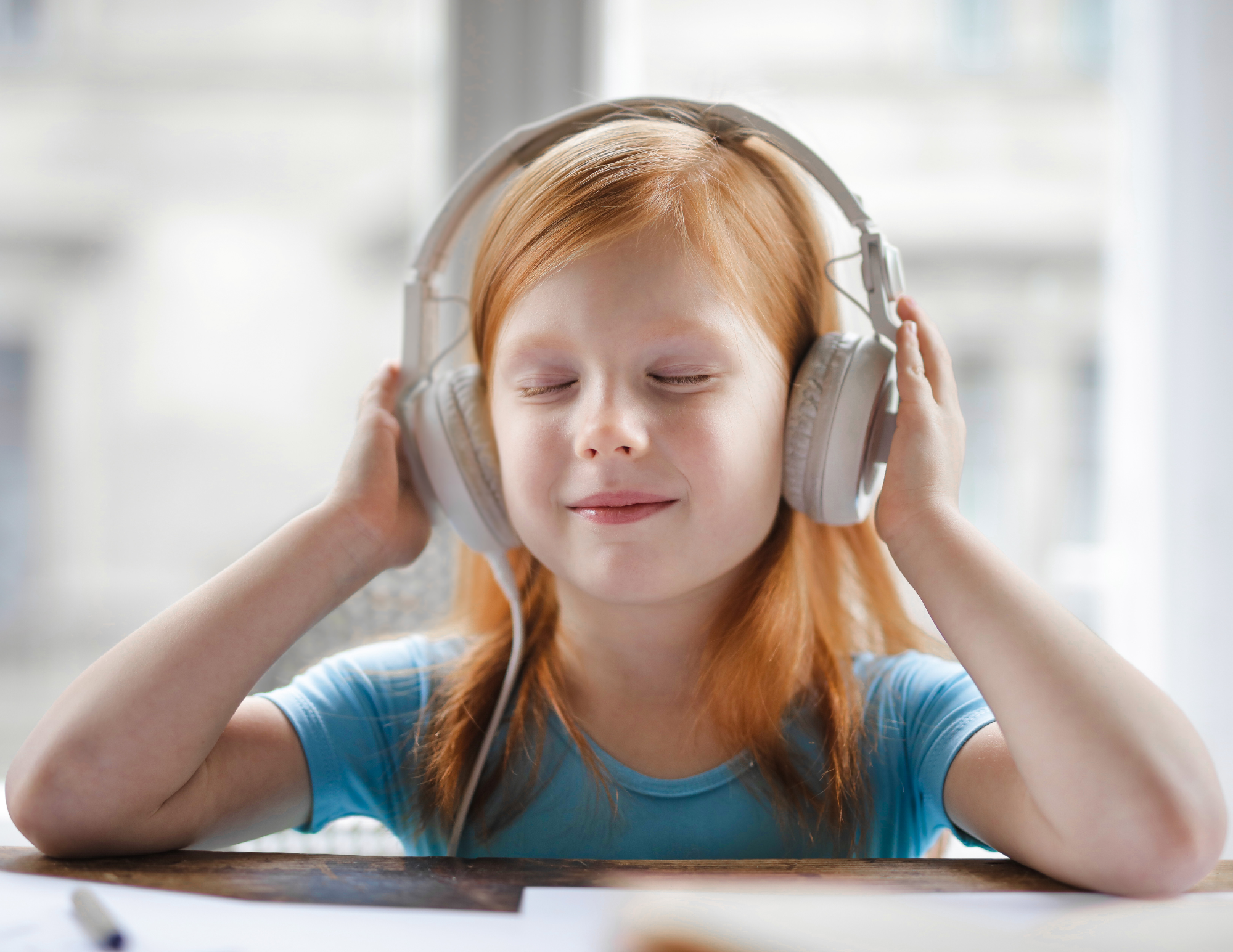
Therapeutic Activity: My Calm Down Plan
Help kids identify triggers for dysregulated emotions and behaviors, and then collaborate to find what helps calm them down. Things don’t always go as planned, but foresight and self-empathy can help kids navigate through challenging moments.
Read on for free printable resources for self-regulation.
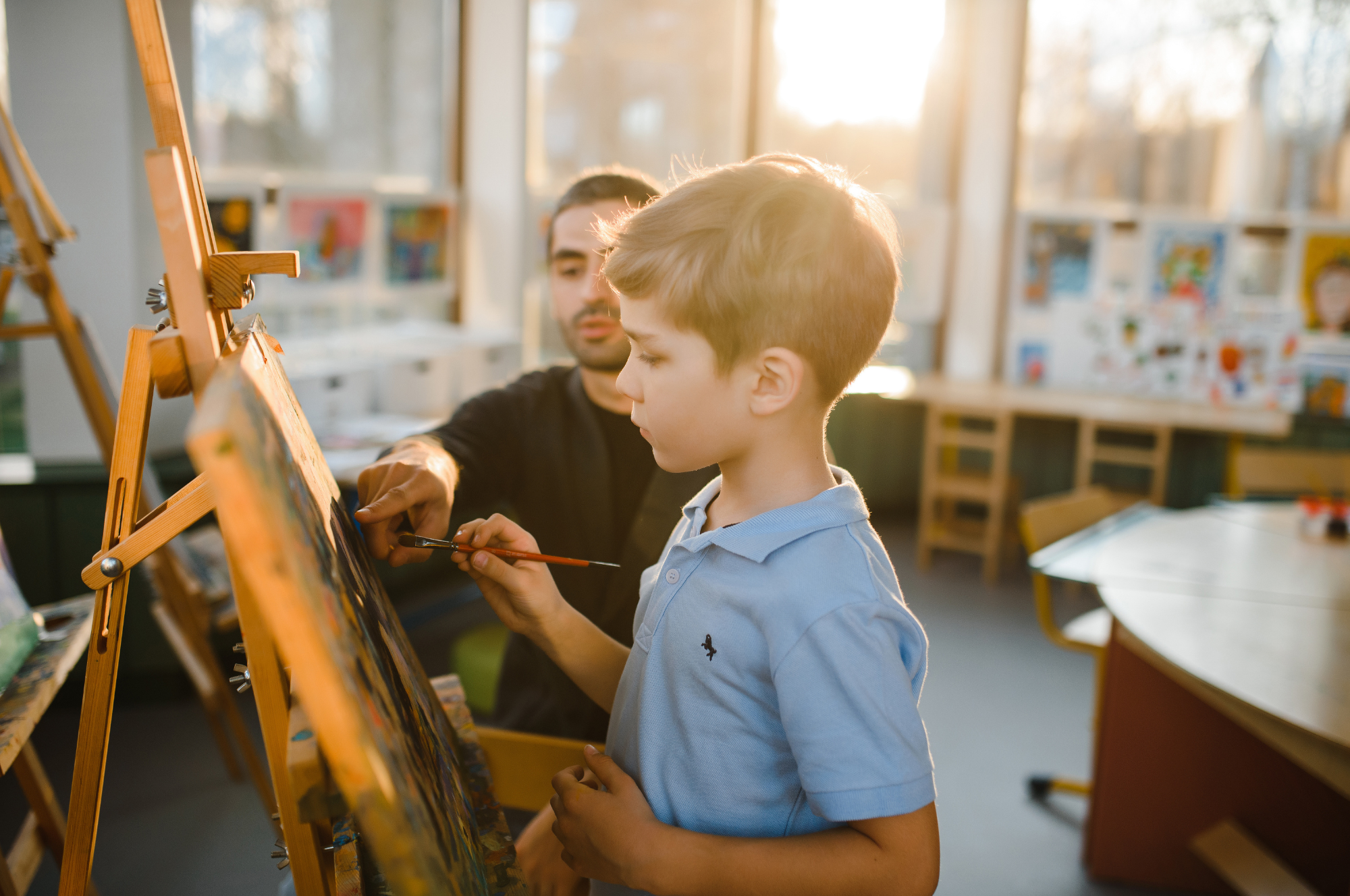
Therapeutic Art Activities for Kids
Art therapy supports emotional and cognitive development through creative expression. Children who regularly engage in artistic activities have access to a non-verbal avenue of self-discovery and communication. Learn more and check out our free printable therapeutic art activities!
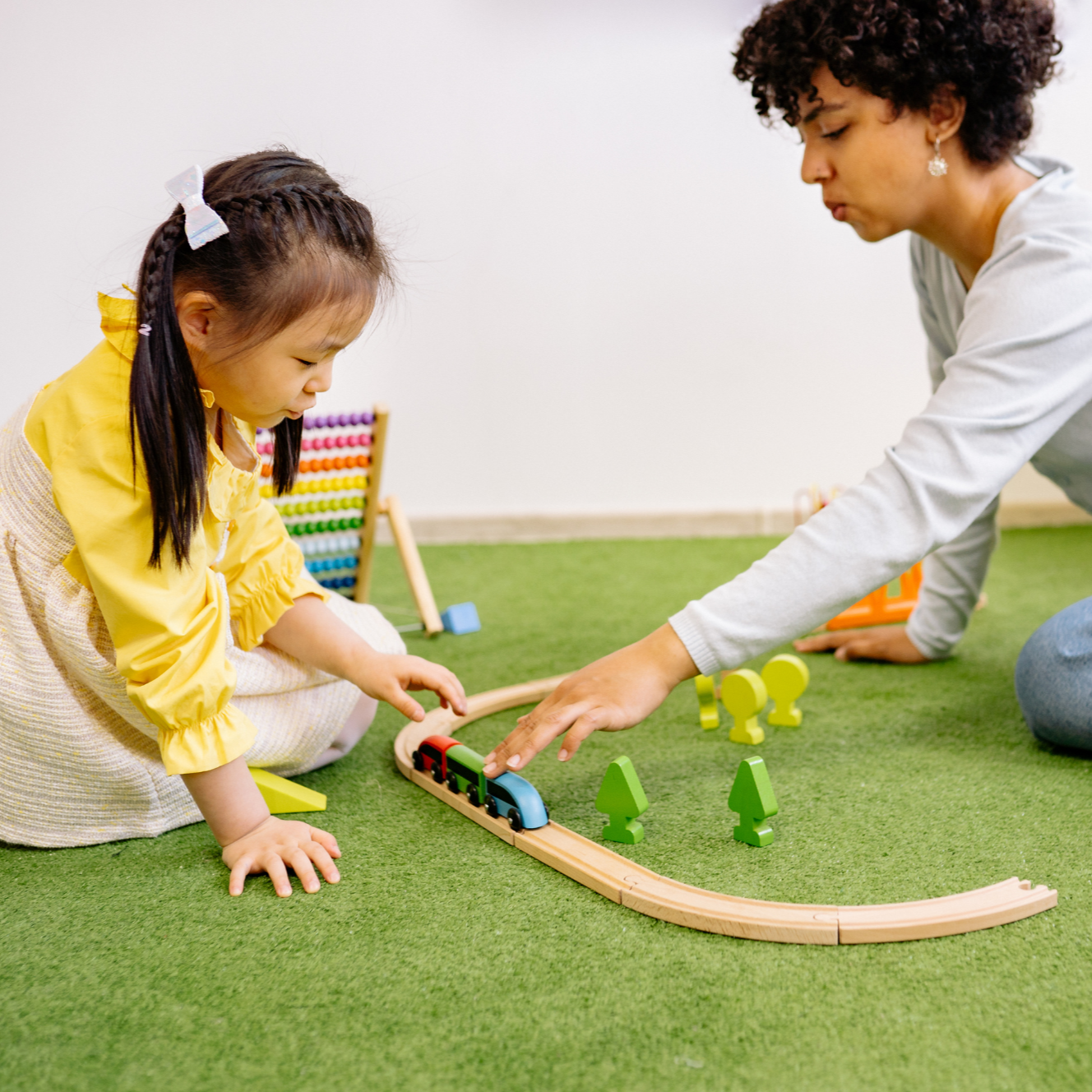
Five Kinds of Therapeutic Play
Play is a fundamental aspect of child development that nurtures imagination and prosocial skills. Through play, kids can explore their interests, experiment with ideas, and practice navigating curated scenarios.
Play, in all its forms, is a vital component of a holistic approach to learning and development.
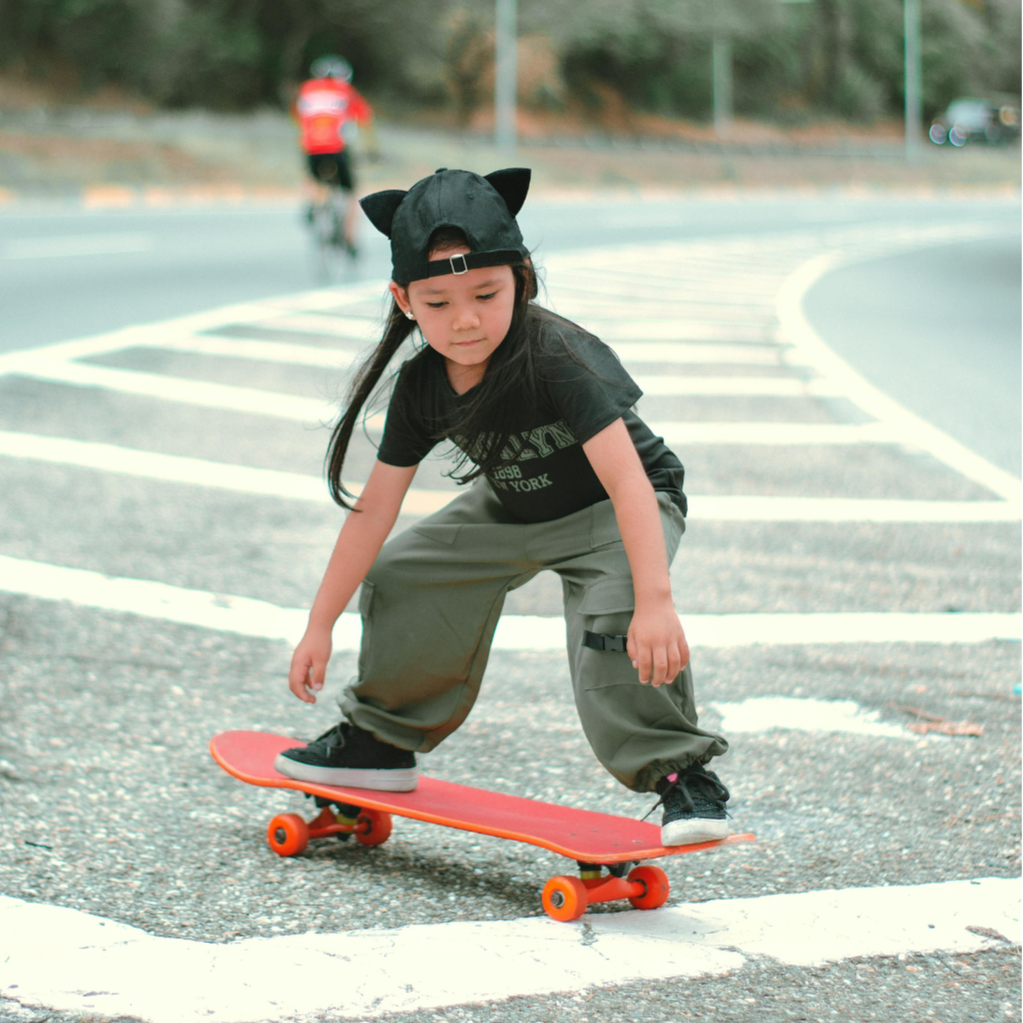
Growth Mindset VS Fixed Mindset
Resilience is an ability to adapt and grow through adversity. It is developed through a growth mindset and inhibited by a fixed mindset. Curiosity, perseverance, self-efficacy, and flexibility are all traits that support a growth mindset.
Social Anxiety: Let’s Make a Plan!
Social events can be overwhelming, but with guidance, kids can learn to anticipate, navigate, and thrive through uncertainty. We have collected our favorite free printable resources to help kids build confidence and prosocial skills.
Therapeutic Activity: Color Prompts
Sometimes kids need motivation and purpose to open up. This straightforward printable art activity prompts kids to talk about personal values, feelings, and experiences while coloring.
Mindfulness Practice for Emotional Regulation
Everyone says it, take a deep breath to calm down. But does it work?
Yes! Mindful breathing techniques can enhance focus, reduce stress, and regulate emotions. By incorporating simple and fun breathing exercises into their daily routine, kids can more easily access their breath in times of distress.
Read on for FREE PRINTABLE resources.

Is My Child Shy or Just Quiet?
Is my child shy or just quiet? While they co-occur, shyness is different than being quiet. Shyness involves a persistent presence of anxiety. As with any area of mental health, shyness can present in various forms and have a diverse impact on a person’s daily operations. Shyness is only seen as a “problem” if it has a continuous negative impact on a person’s functioning and/or causes the person significant distress. Read on to learn more!
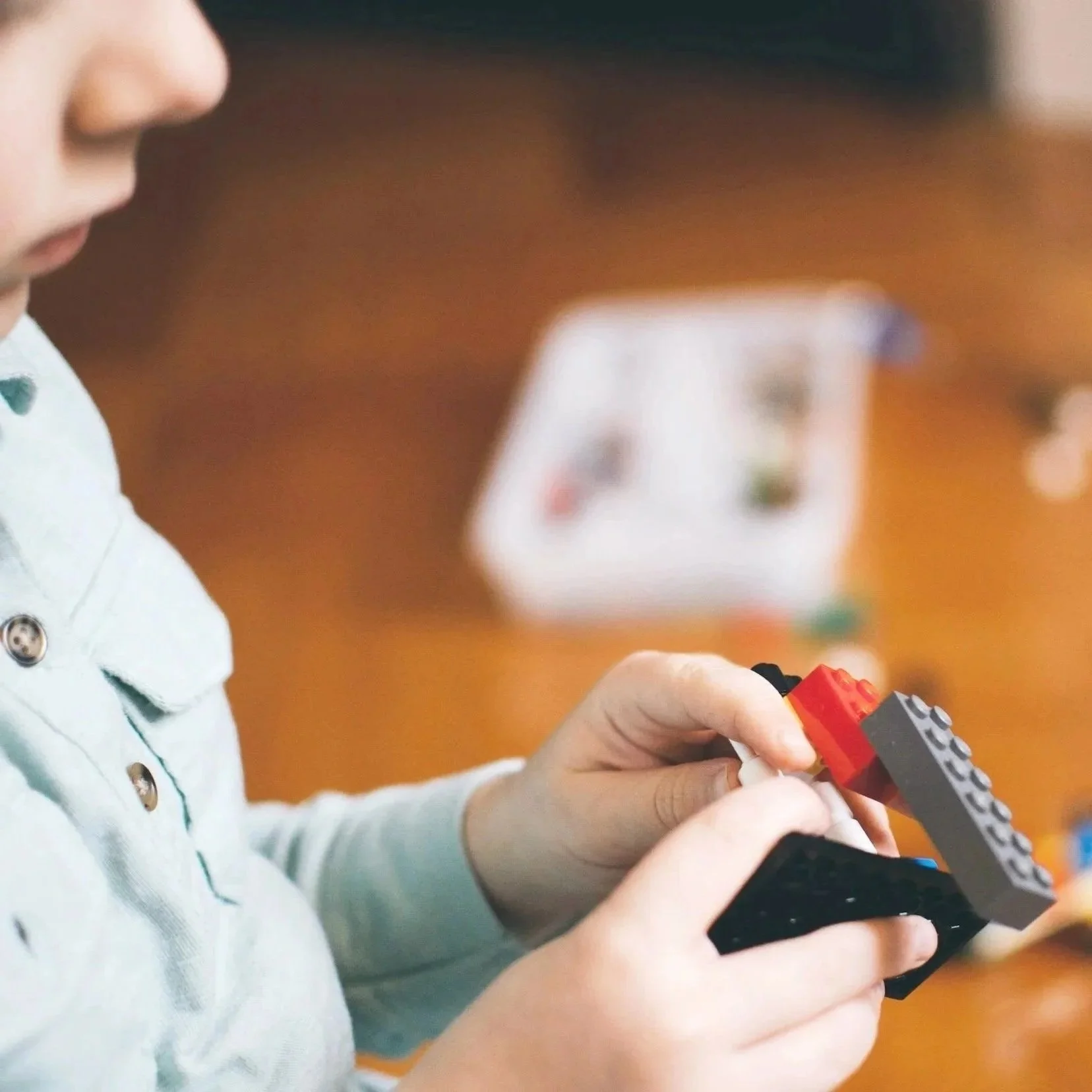
Therapeutic Activity: Build-It Prompts
Build-It Prompts are a hands-on way to engage kids in introspective thinking. It’s simple. Grab dice, some blocks (Lego or Play-Doh work well!), and our free printable activity guide. Roll the dice, read the prompt, and build!
Can Acupressure Tapping Help My Anxious Kid?
Emotional Freedom Technique (EFT) tapping is a gentle, evidence-based method. The bilateral stimulation of acupressure points through tap can help us process complicated thoughts and feelings, and reinforce affirmations. The technique combines focused thinking with sensory activation to rewire thought and behavior patterns.
Learn more and print our FREE guide.

Help Kids Prepare for the Holidays
Parties, events, and traditions around the holidays often alter our daily routines. This can be especially disruptive to kids who struggle with mental flexibility. With anticipated disruptions in mind, try our holiday preparedness conversation starters to promote social skills, confidence, problem-solving, and emotional regulation by helping kids feel heard, understood, and excited about the possibilities that lie ahead.
Preparedness in kids (and adults!) contributes to overall well-being and can significantly reduce dysregulated feelings and behaviors.
Child Therapy: 6 Types
Understanding what type of therapy is best for your child can be overwhelming. This comprehensible post breaks down 6 common modalities used by child therapists: play therapy, family therapy, dialectical behavioral therapy (DBT), acceptance and commitment therapy (ACT), parent-child interaction therapy (PCIT), and cognitive behavioral therapy (CBT). Once you understand what might be the best fit for you child, you can search for an appropriate licensed child therapist near you!
ADHD: Strengths and Challenges
Recognizing and embracing the unique strengths and challenges associated with ADHD is the first step in supporting a child’s development.
Here, we explore symptoms, diagnosis, management, and advocacy of ADHD to cultivate open communication and collaboration between parents, educators, and clinicians to create an environment that celebrates and supports a child’s individuality.
Read on for more information and a free printable handout!
Frequently Asked Questions About Child Therapy
When it’s time to seek therapy for your child, the options can seem endless. Read on for answers to 6 common questions about child therapy!

5 Free Parenting Tools
Our collection of free printable parenting tools offers practical, easy-to-use resources to improve communication, encourage positive behavior, and create a nurturing home environment.