Therapeutic Art Activities for Kids
Art allows us to communicate thoughts and emotions that words alone cannot express.
What is Art Therapy?
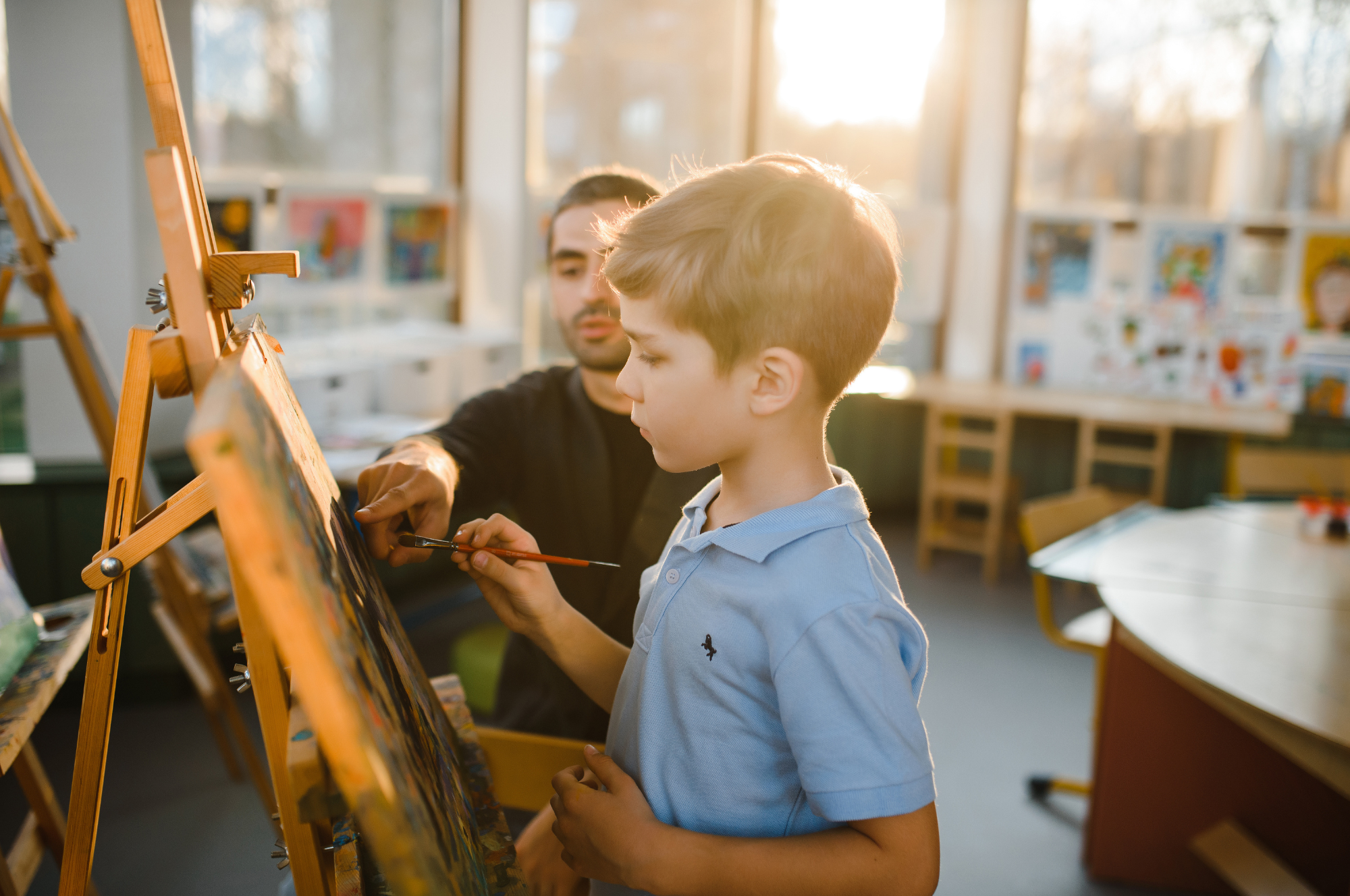
Art therapy supports emotional and cognitive development through creative expression. Children who regularly engage in artistic activities have access to a non-verbal avenue of self-discovery and communication.
Who can benefit from art therapy? Art can help children (and adults!) cope with stress, trauma, and various emotional challenges through exercised artistry, resourcefulness, and resilience. This practice encourages a holistic sense of accomplishment and self-efficacy through innovation.
How to become an Art Therapist:
Becoming an art therapist in the United States typically involves the acquisition of a bachelor's degree in psychology or a related discipline and then a master's degree in art therapy (or a closely related field) from an accredited program.
During their education, students are usually required to complete a supervised clinical internship to gain practical experience working with diverse populations. Following the completion of the educational requirements, individuals may need to fulfill state-specific licensing or certification requirements.
Certification as an art therapist is obtained through the Art Therapy Credentials Board (ATCB) by passing exams, accumulating supervised clinical hours, and meeting ATCB requirements.
Making Art with Kids:
A licensed art therapist has specialized skills and trainings that allow them to leverage creative expression to aid in the treatment of mental health conditions. But art can also be used in a non-clinical sense by anyone seeking an outlet. We put together some ideas and resources to inspire therapists, teachers, and parents who want to incorporate creative expression into the life of a child.
Emotion Storms
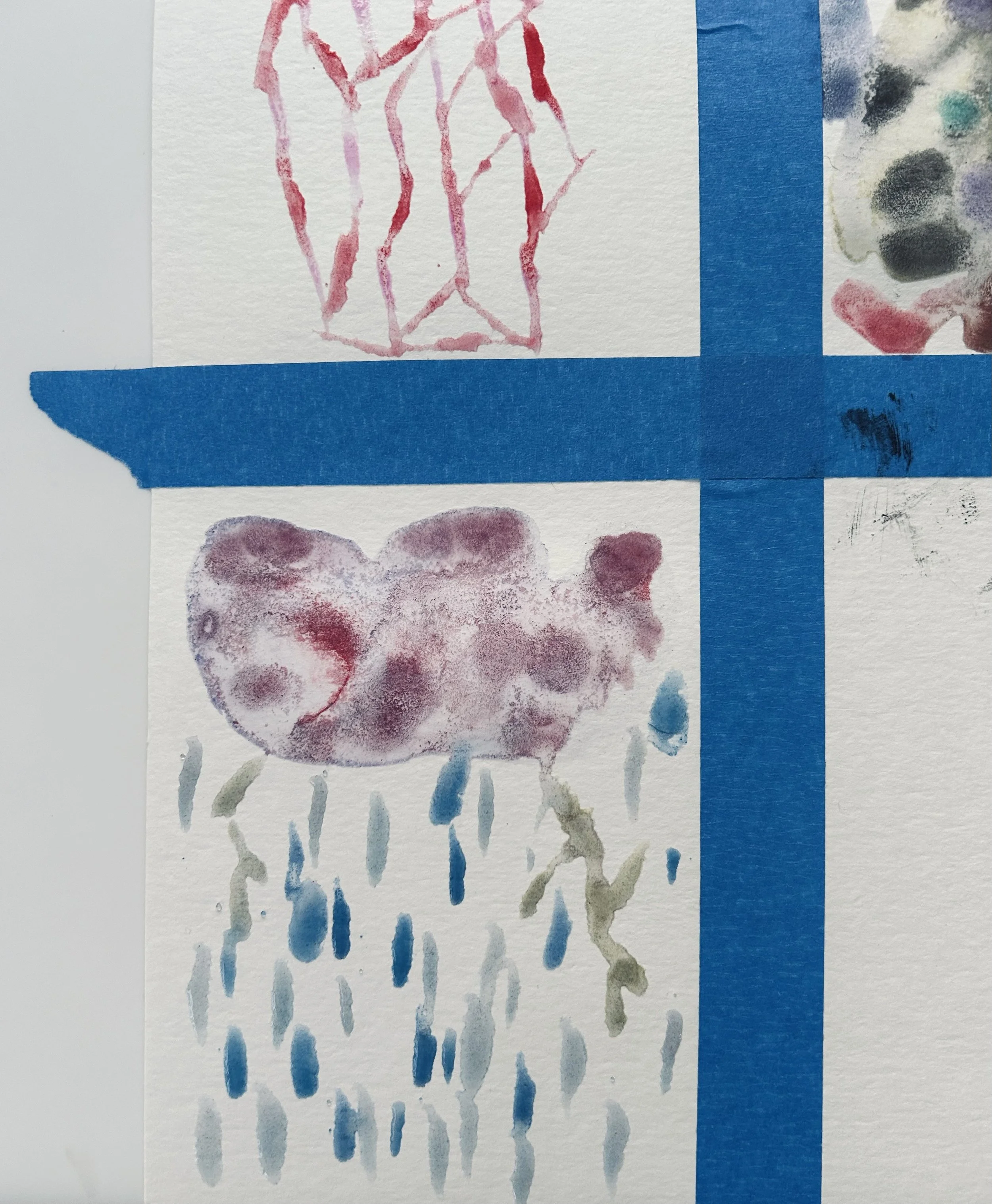
Use weather to talk about feelings, behaviors, and circumstances!
For this activity, an emotion storm is a visual representation of how different emotions feel. Think about how your brain and body feel when you are elated. If your feelings were like weather, what would an elated forecast look like? How does that compare to a resentful forecast?
Learn more here: Art Therapy: Emotion Storms
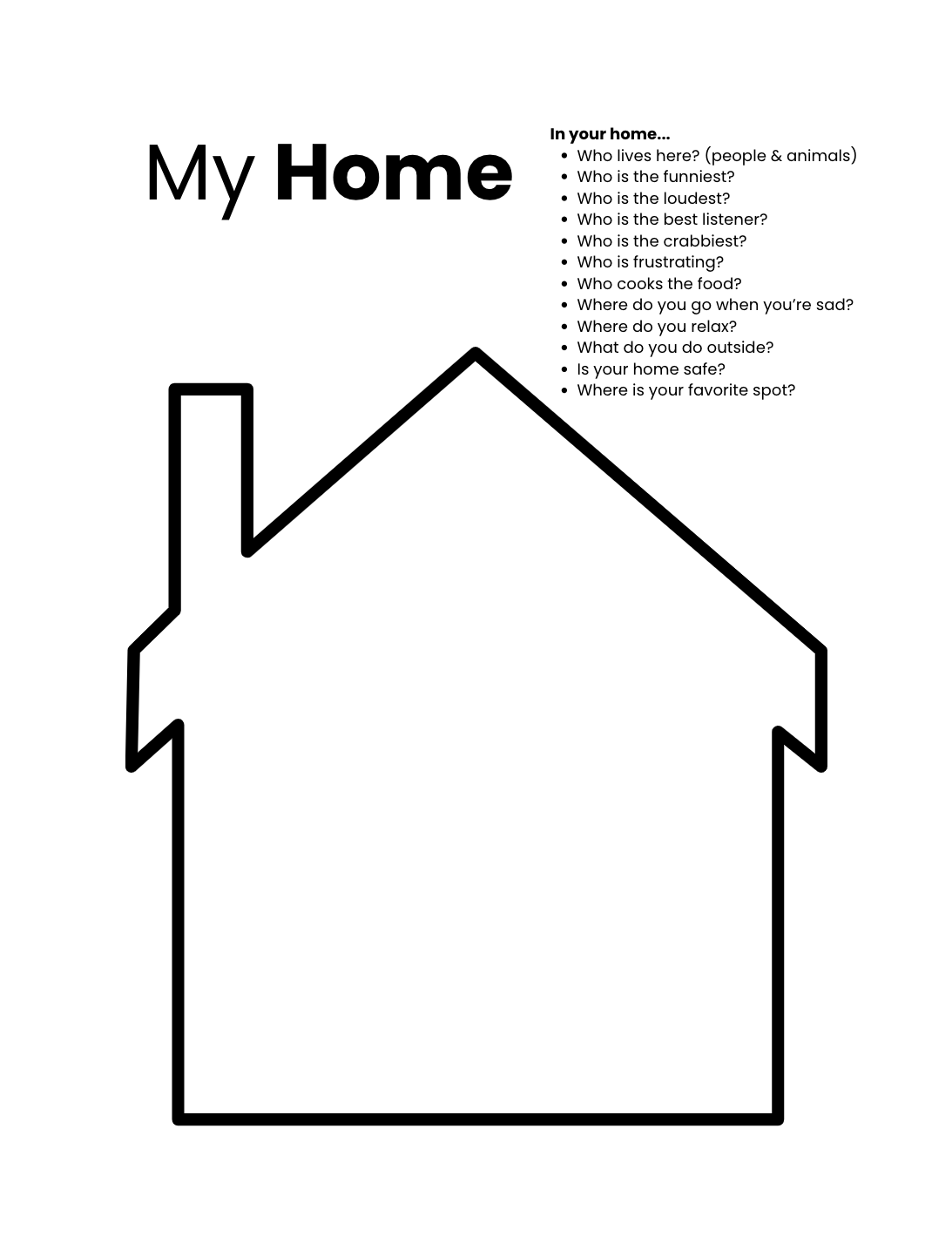
My Home
Ask kids to draw their home (or homes) and the people and animals that live there. Build a holistic family systems perspective by using the drawing to explore environmental and family dynamics.
Can you show me…who is the best listener, where do you go when you're sad, is your home safe?
Find a printable version of this resource in our Therapeutic Activities tab!
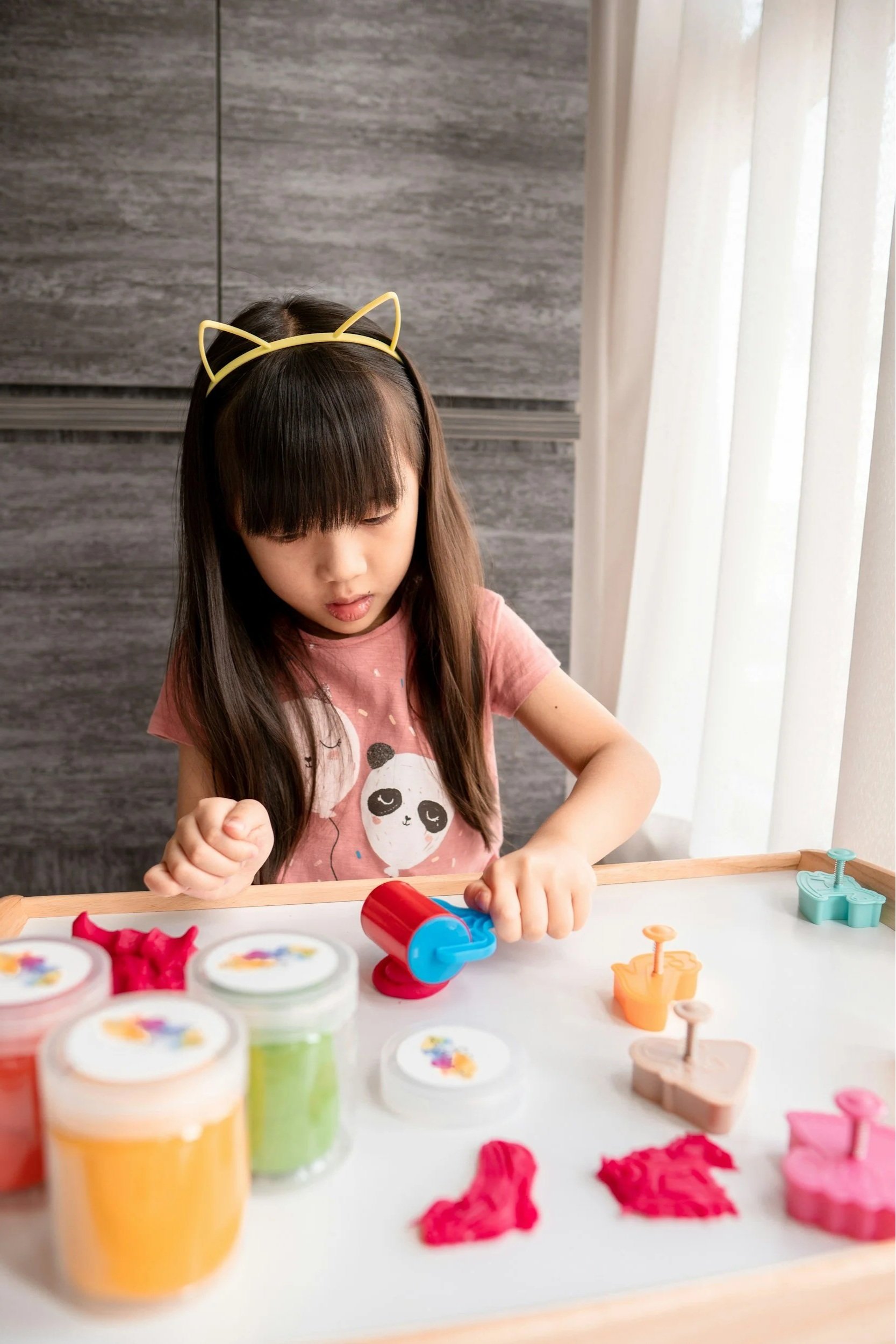
Therapeutic Activities with Play-Doh
Modeling dough can be used as a tactile sensory tool for exploring therapeutic concepts with kids. Explore 5 of our favorite dough activities to help kids relieve stress, exercise emotional literacy, practice coping skills, and resolve conflict.
Learn more here: Therapeutic Activities with Play-Doh!

Make the Face
Read a scenario prompt and ask the child to illustrate how the people in the scenario might be feeling. In this exercise, drawing faces allows kids to practice empathy and gain insight through perspective-taking.
Some example prompts: How do you feel when you lose a game? How does your friend feel when they win a game? How do you want your friend to act when they win? How does your friend want you to act when you lose?
Find a printable version of this resource in our Therapeutic Activities tab, and explore our free scenario prompts in our Conversation Starters tab!
Art Therapy Game: Embracing Imperfection
Using The Book of Mistakes as inspiration, create a collaborative drawing by passing a piece of paper back and forth for 20 second intervals. During your turn with the paper, draw or change whatever you want, but when your 20 seconds is up, you must pass the picture to the next person.
Practice flexible thinking by letting the drawing evolve beyond your control!
Learn more here: Art Therapy: Perfectionism!
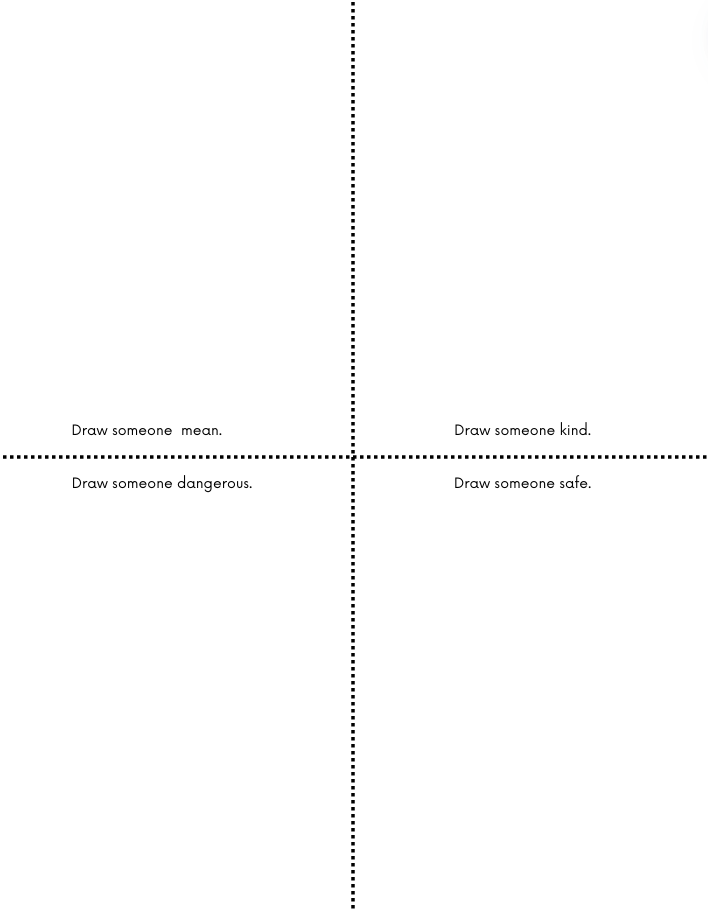
Drawing Prompts
Fold a piece of paper to make 4 rectangular areas. In each rectangle, encourage kids to identify, draw, and discuss people in their life (either real or fantasy) that match the descriptor prompt. This helps gain insight into how the child sees the world through an interpersonal lens.
Prompt Examples:
Draw someone kind / Draw someone mean
Draw someone safe / Draw someone dangerous
Draw someone calm / Draw someone angry
Draw someone trustworthy / Draw someone sneaky
Find a printable version of this resource in our Therapeutic Activities tab!
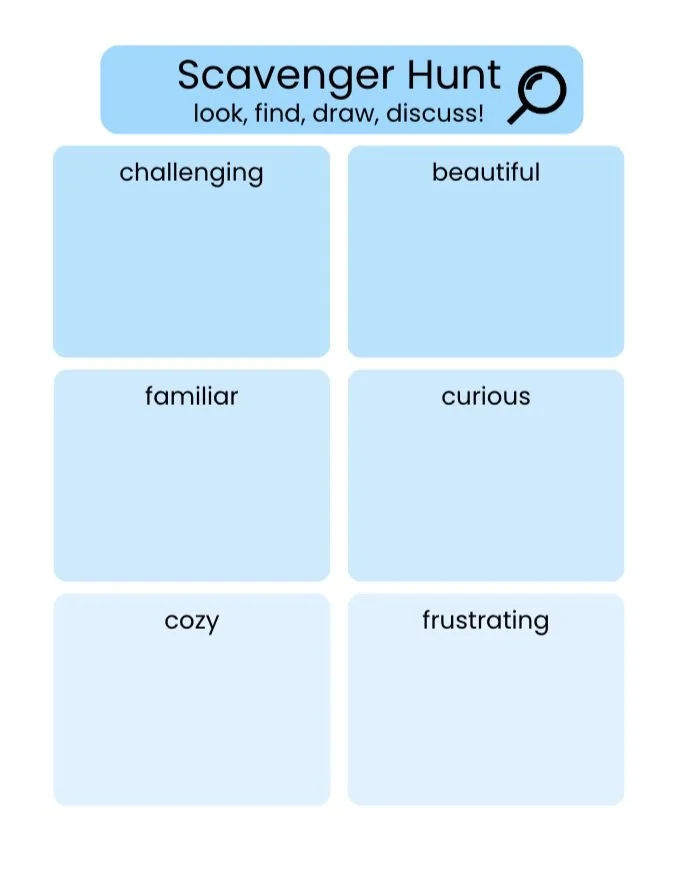
Think, Draw, Discuss: Scavenger Hunt
Identify, draw, and discuss places, objects, or people that match the word in each box. This mental scavenger hunt can be used to help us understand a child’s viewpoint and emotional process.
Find a printable version of this resource in our Therapeutic Activities tab!
Check out 5 free printable scavenger hunts!
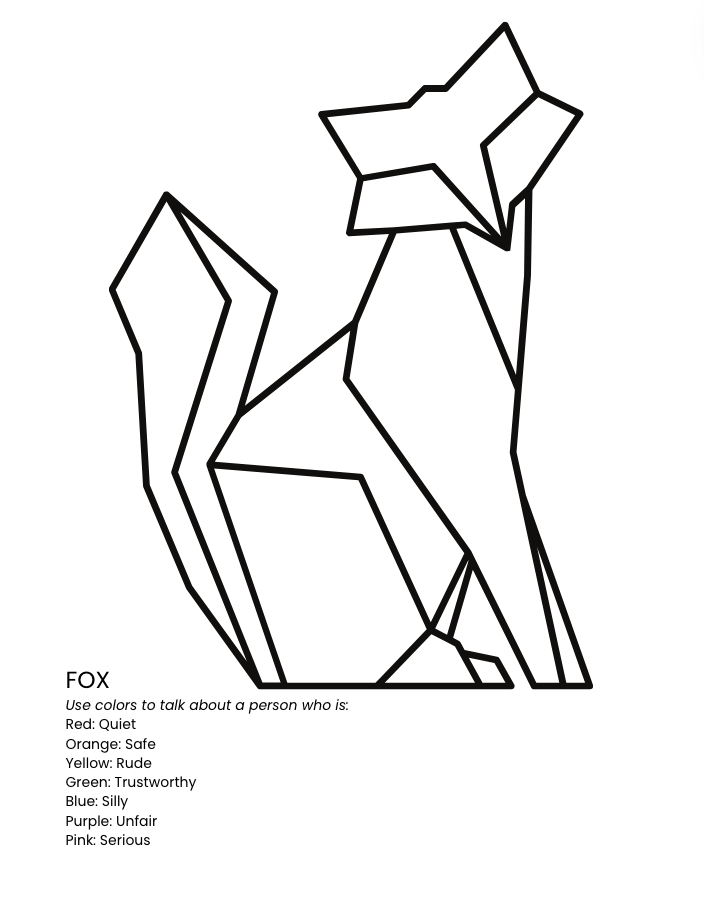
Color Prompts: Animals
Use color-coded prompts to talk about feelings, people, and bests/worsts while bringing the animals to life with a preferred medium. In this practice, art has the power to disarm apprehension and cultivate a healthy rapport between therapist and client.
We suggest letting kids “unlock” the colors by answering the prompts.
Find our full collection of printable color-coded animal resources in our Therapeutic Activities tab!
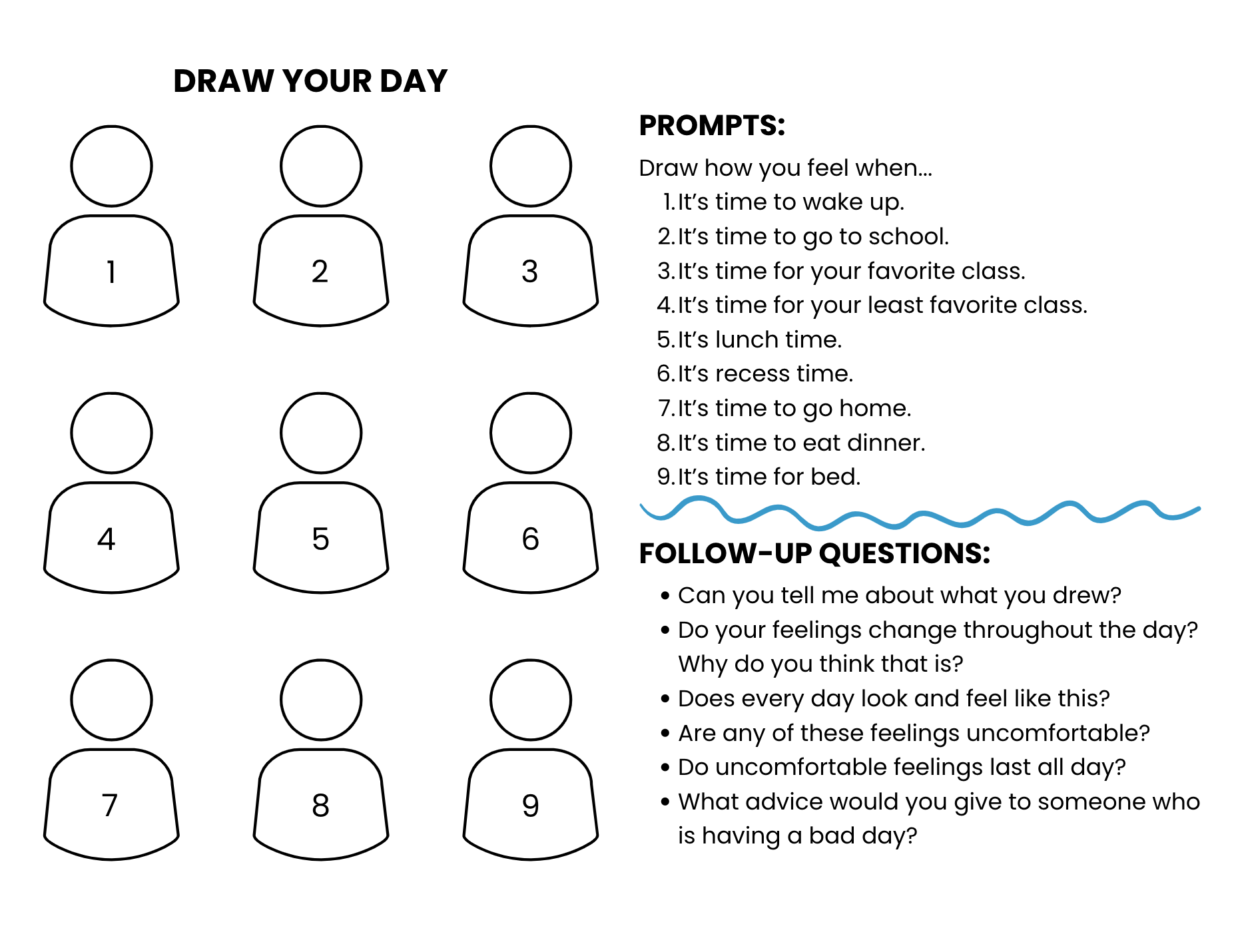
Draw Your Day
This worksheet is a great way to help kids conceptualize their days and learn about fluctuating emotions. Use this worksheet to talk about emotions and to gain insights into how a child functions and copes through different parts of their day.
Find a printable version of this resource in our Therapeutic Activities tab!

My Perfect Day, My Imperfect Day
Use this prompt to help kids appreciate good days and receive bad days with a growth mindset.
Talk about what makes this day perfect. Who would you see? What would you do? What would you eat? Where would you go?
Talk about what makes this day imperfect. Have you ever had a day like this before? Is there one tiny thing about this day that isn’t so bad?
Find a printable version of this resource in our Writing Prompts tab!
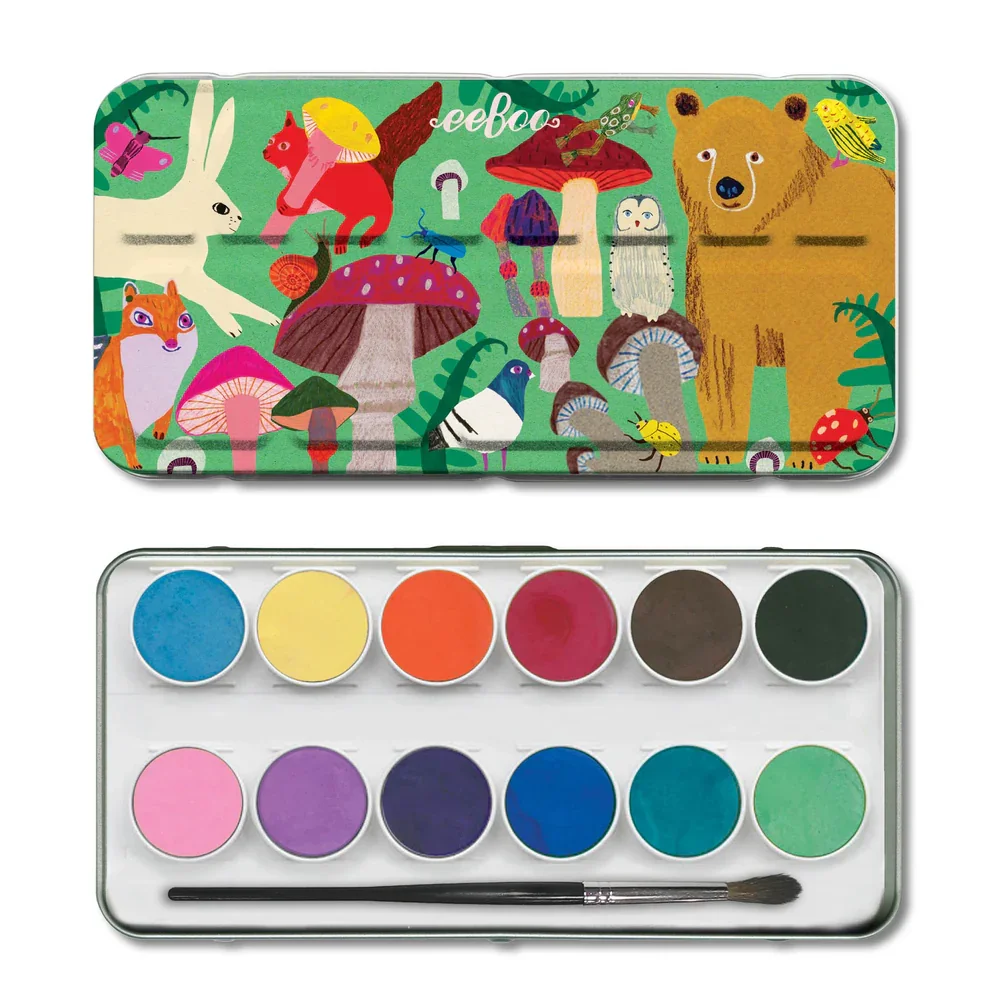
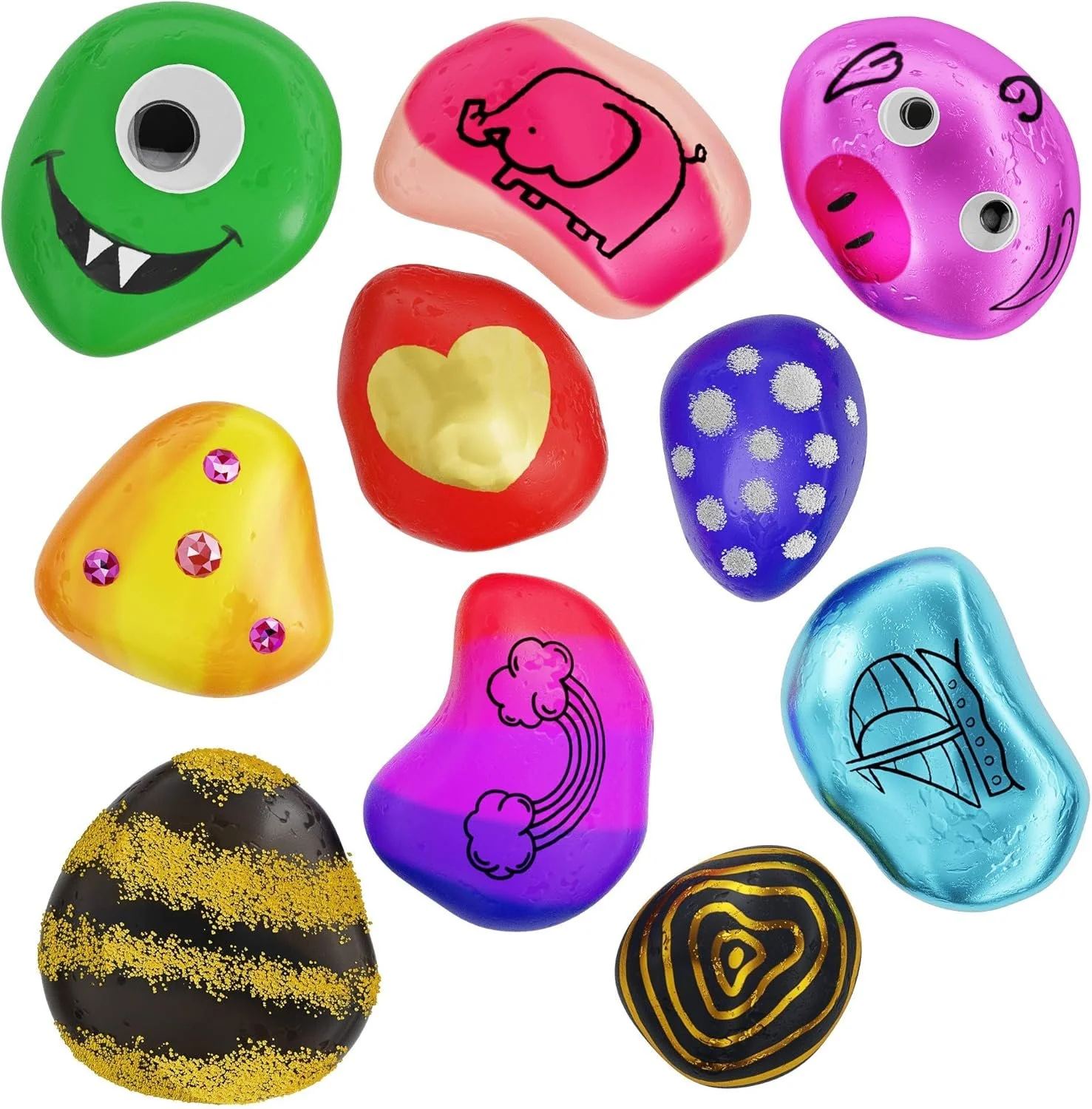
Our Favorite Art Therapy Materials