
Pediatric Mental Health Blog
© 2026 COPYRIGHT NOTICE: All original resources, content, and materials produced and displayed on this website are the intellectual property of Child Therapy Guide. These resources are protected by copyright laws and are intended for personal, non-commercial use. Unauthorized reproduction, distribution, or any other unauthorized use of the content without explicit permission from Child Therapy Guide is strictly prohibited. Users are encouraged to enjoy and utilize the resources responsibly, respecting the copyright and intellectual property rights associated with the content. For any inquiries or requests regarding the use of our materials, please contact us through our contact form.
Therapeutic Art Activities for Kids
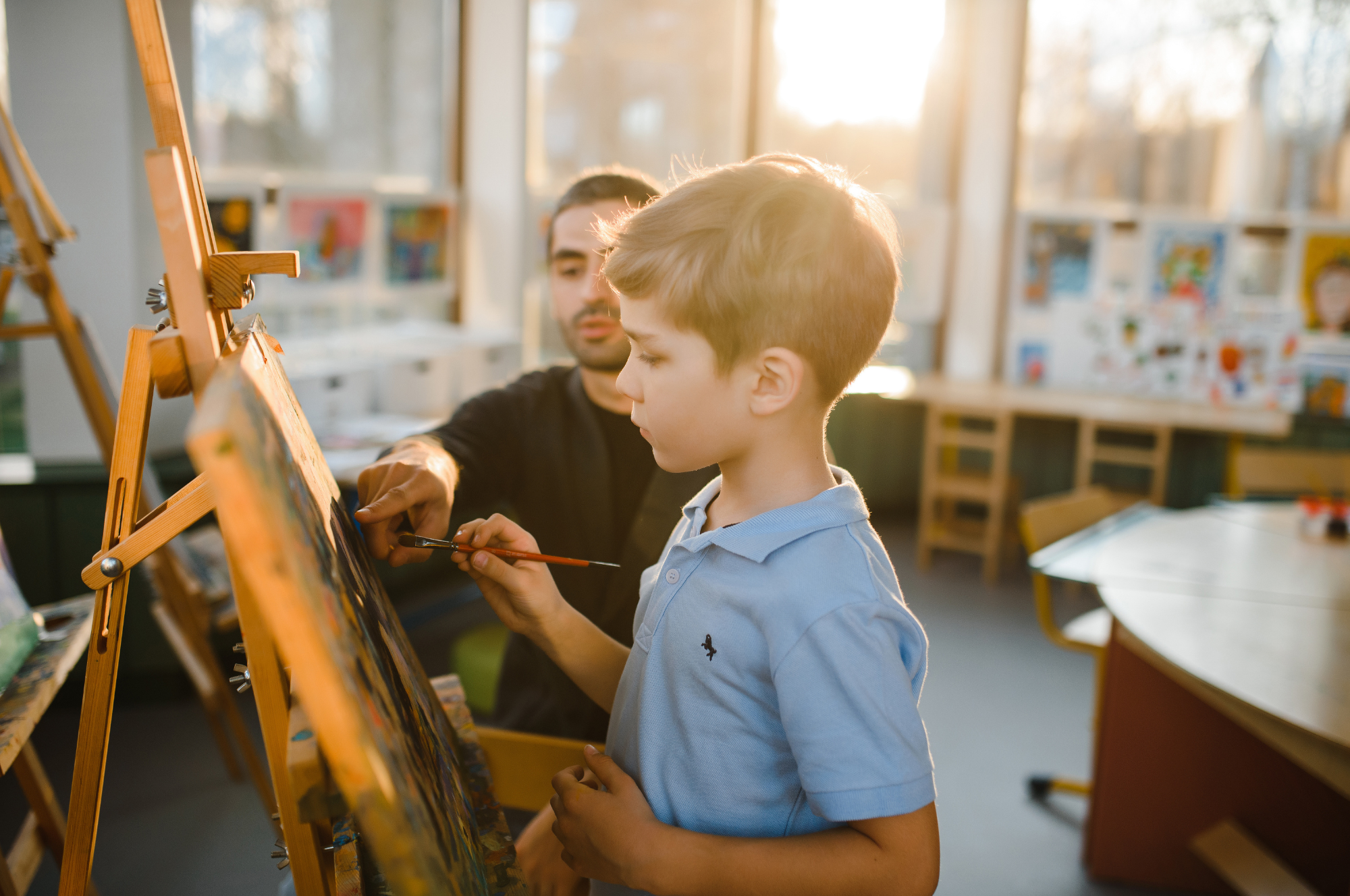
Art therapy supports emotional and cognitive development through creative expression. Children who regularly engage in artistic activities have access to a non-verbal avenue of self-discovery and communication. Learn more and check out our free printable therapeutic art activities!
Social Anxiety: Let’s Make a Plan!
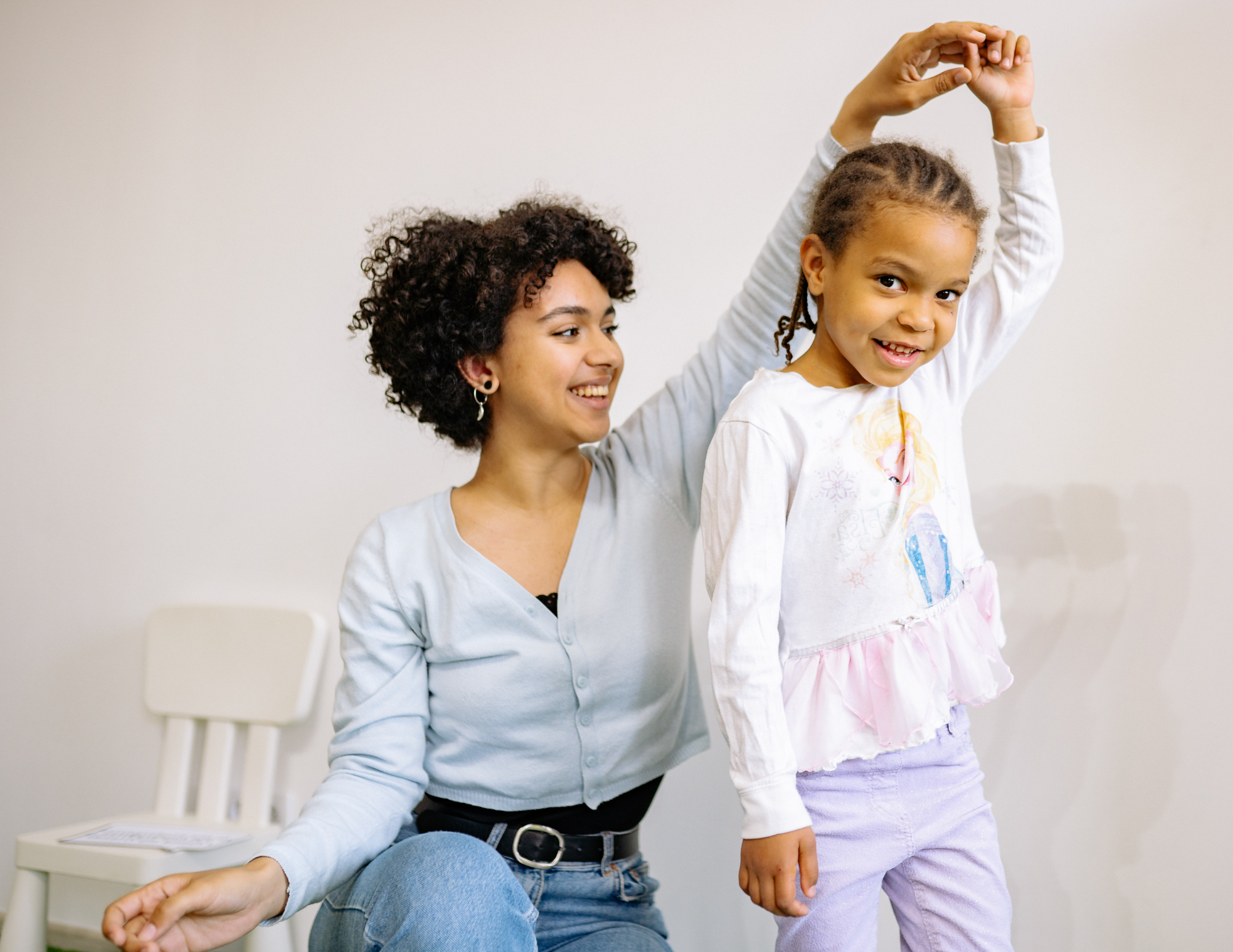
Social events can be overwhelming, but with guidance, kids can learn to anticipate, navigate, and thrive through uncertainty. We have collected our favorite free printable resources to help kids build confidence and prosocial skills.
Mindfulness Practice for Emotional Regulation
Everyone says it, take a deep breath to calm down. But does it work?
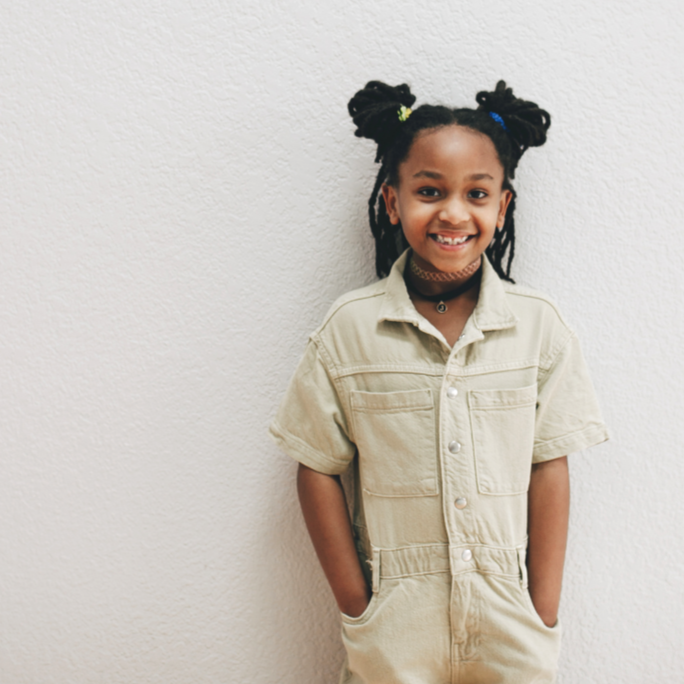
Yes! Mindful breathing techniques can enhance focus, reduce stress, and regulate emotions. By incorporating simple and fun breathing exercises into their daily routine, kids can more easily access their breath in times of distress.
Read on for FREE PRINTABLE resources.
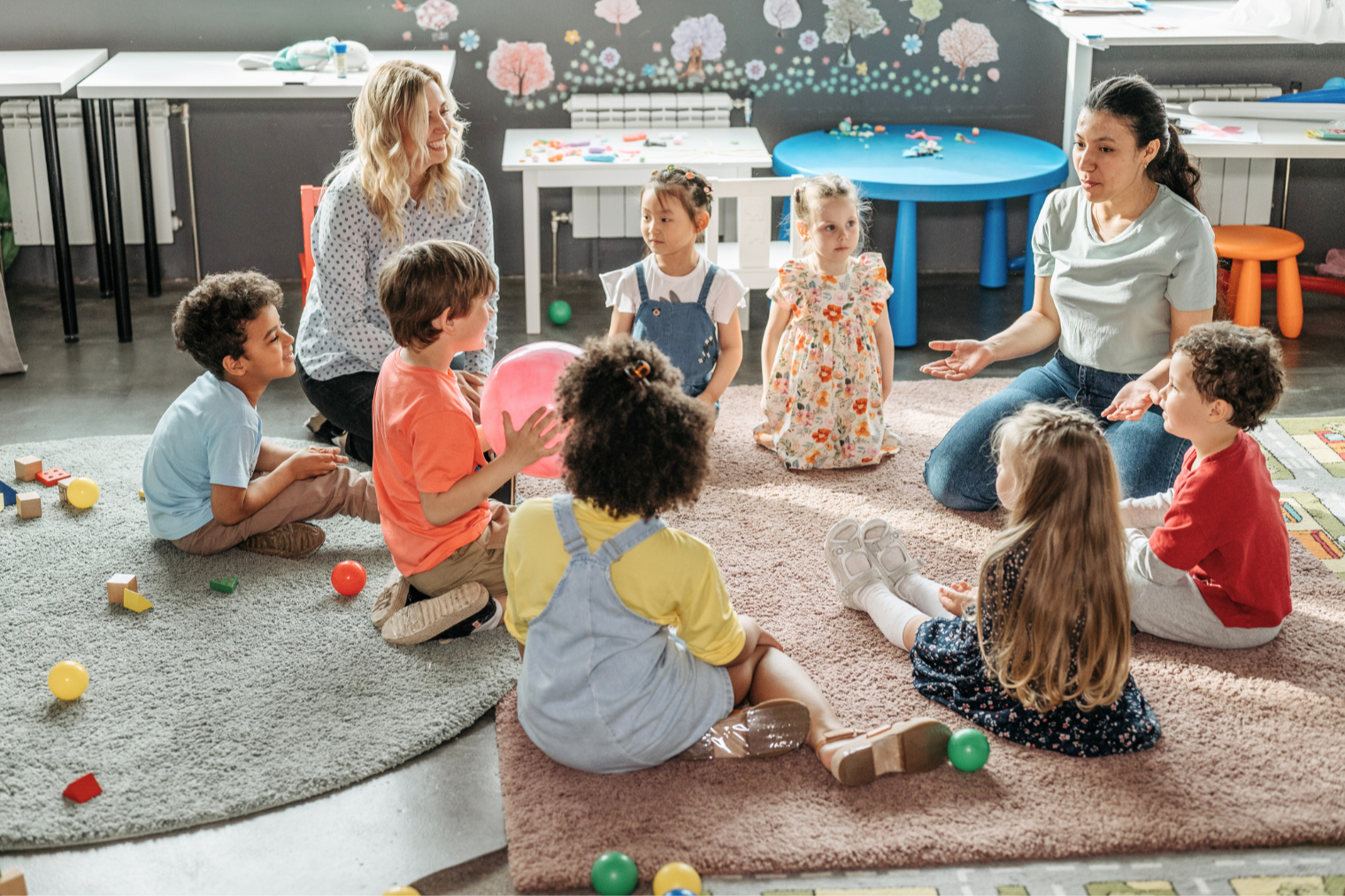
The Empathetic Classroom
Developmentally, young children begin to emerge from an egocentric mindset in preschool and early elementary school. Teachers and parents can help guide the development of empathy through stories, cooperative games, conversation starters, and, perhaps most importantly, modeling behavior.
Read on for free resources to support empathetic development.

Is My Child Shy or Just Quiet?
Is my child shy or just quiet? While they co-occur, shyness is different than being quiet. Shyness involves a persistent presence of anxiety. As with any area of mental health, shyness can present in various forms and have a diverse impact on a person’s daily operations. Shyness is only seen as a “problem” if it has a continuous negative impact on a person’s functioning and/or causes the person significant distress. Read on to learn more!
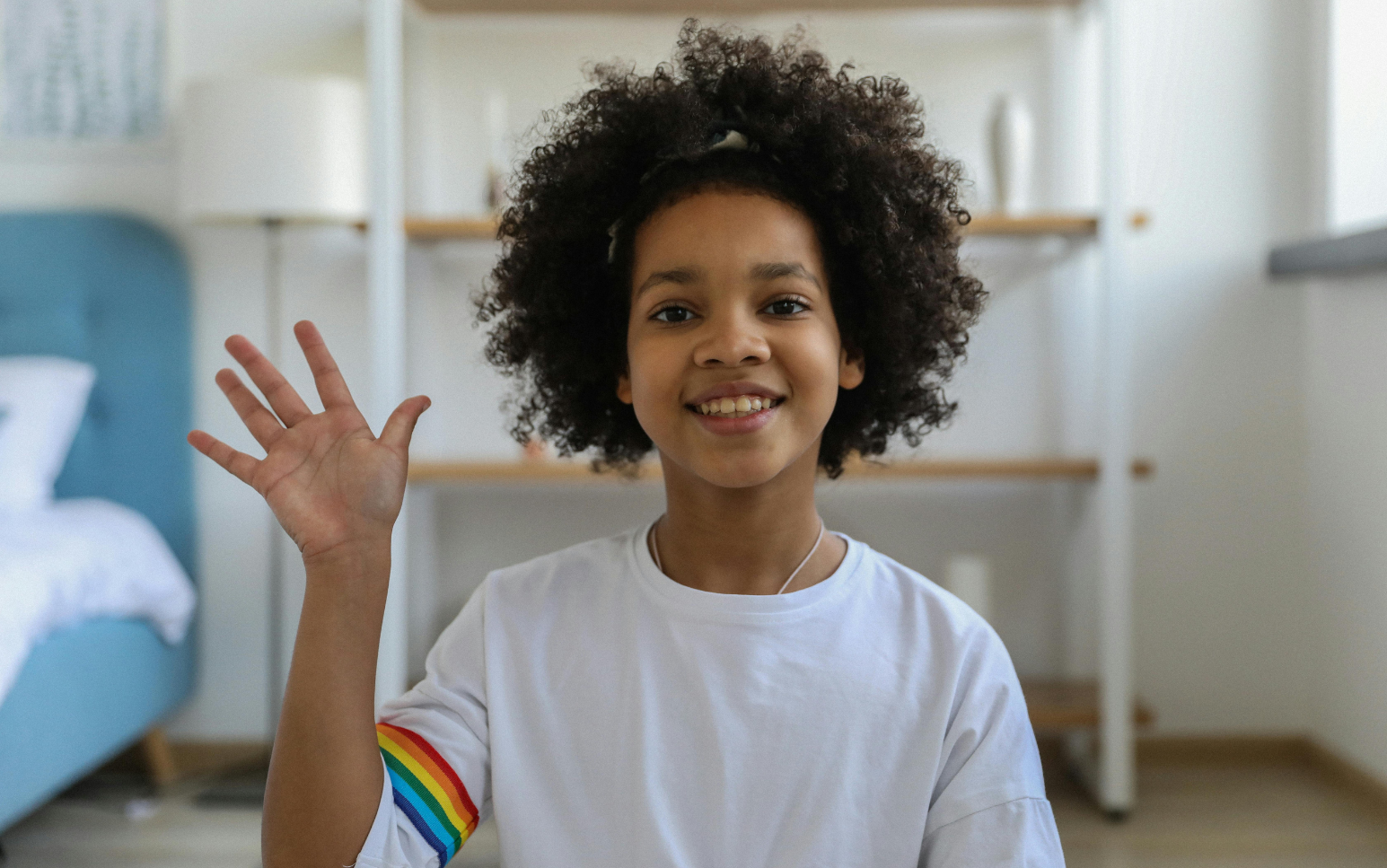
ADHD: Strengths and Challenges
Recognizing and embracing the unique strengths and challenges associated with ADHD is the first step in supporting a child’s development.
Here, we explore symptoms, diagnosis, management, and advocacy of ADHD to cultivate open communication and collaboration between parents, educators, and clinicians to create an environment that celebrates and supports a child’s individuality.
Read on for more information and a free printable handout!
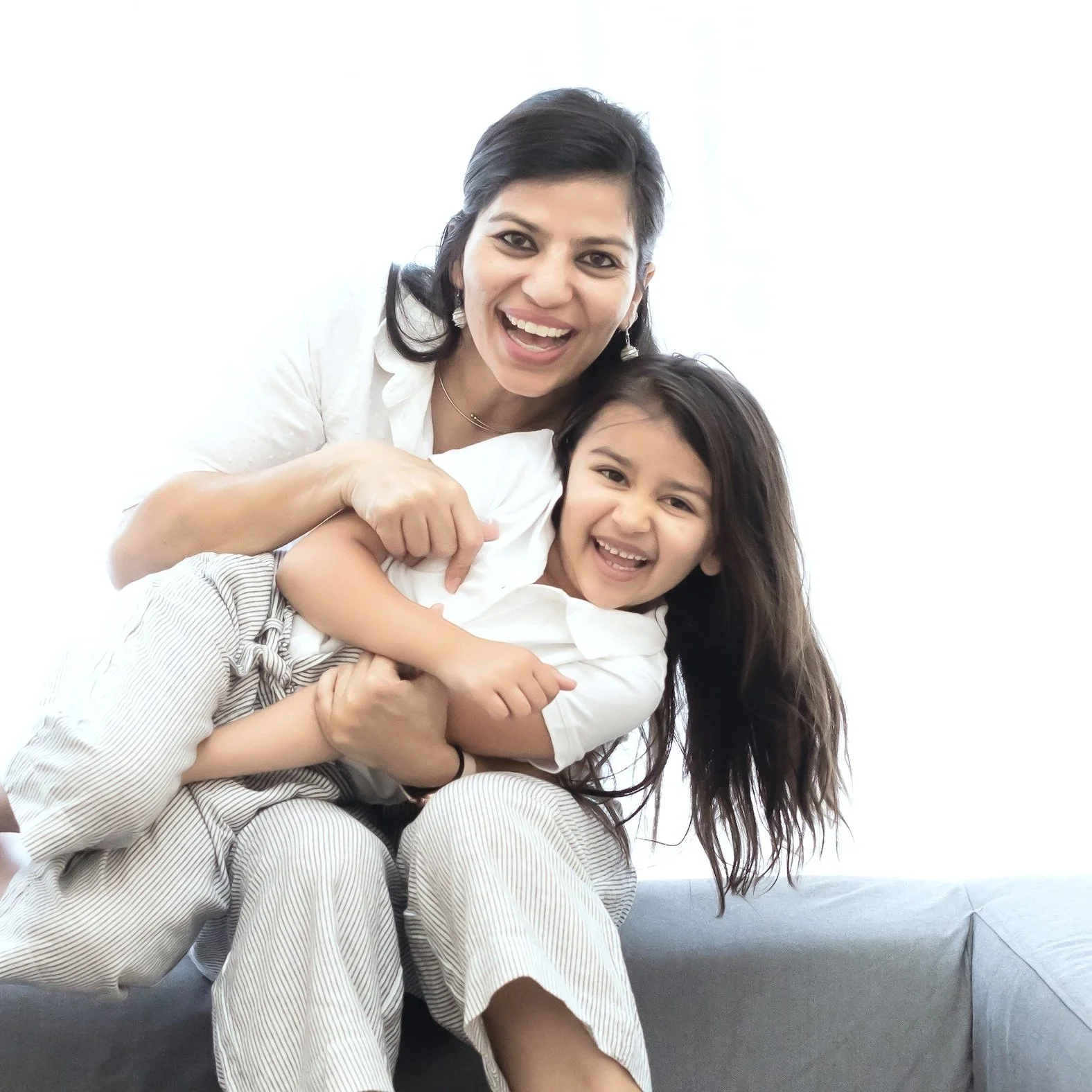
5 Free Parenting Tools
Our collection of free printable parenting tools offers practical, easy-to-use resources to improve communication, encourage positive behavior, and create a nurturing home environment.
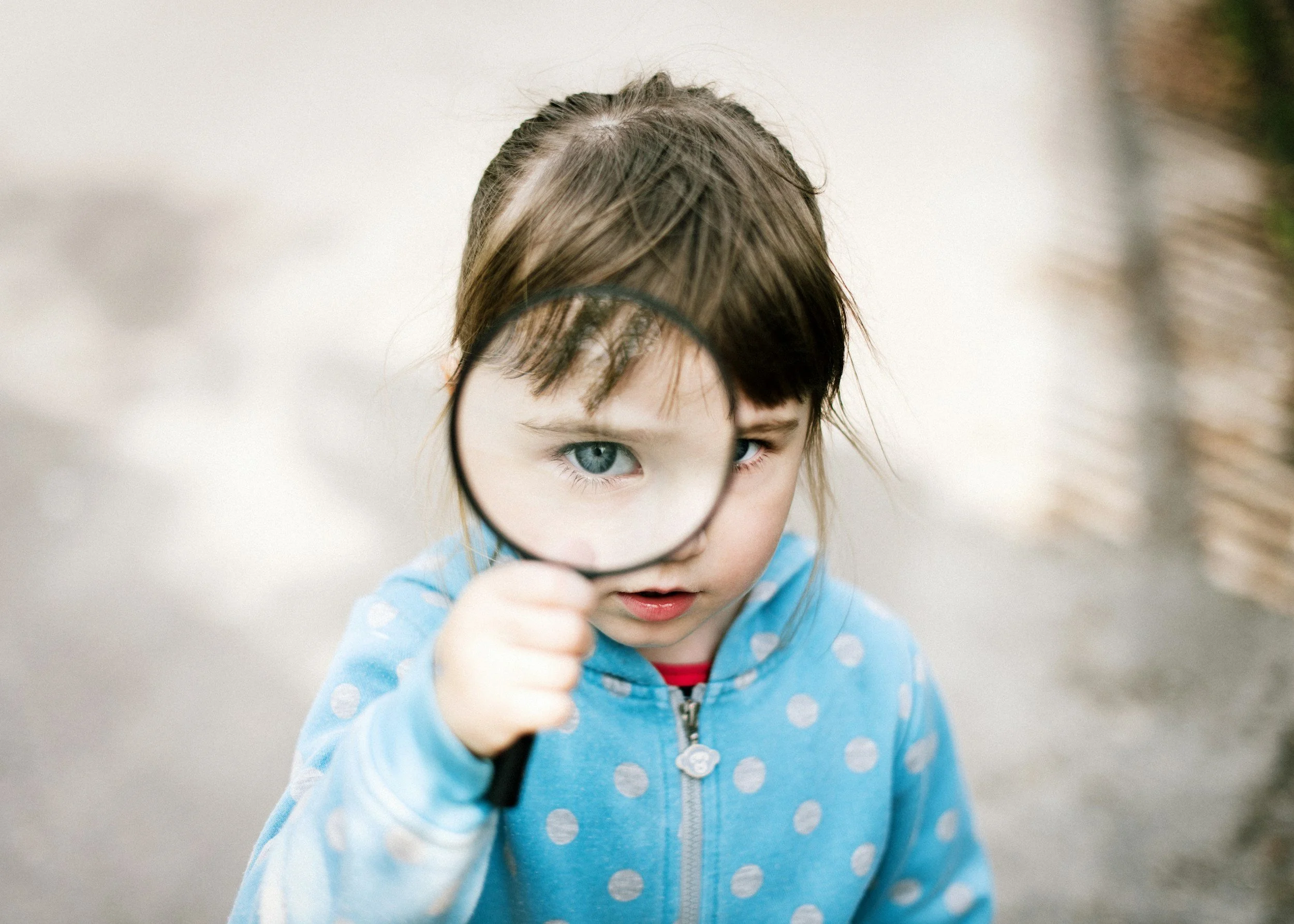
Fact or Opinion?
Our self-perception can shape how we examine our thoughts. For example, a child with a positive self-perception may get a low grade on a spelling test and think, “I didn’t do well, I’ll study more next time.” While a child with a negative self-perception may think, “I didn’t do well, I’m stupid.”
When helping kids examine their thoughts, it is important for them to sort fact from opinion. Are you stupid or were you underprepared?
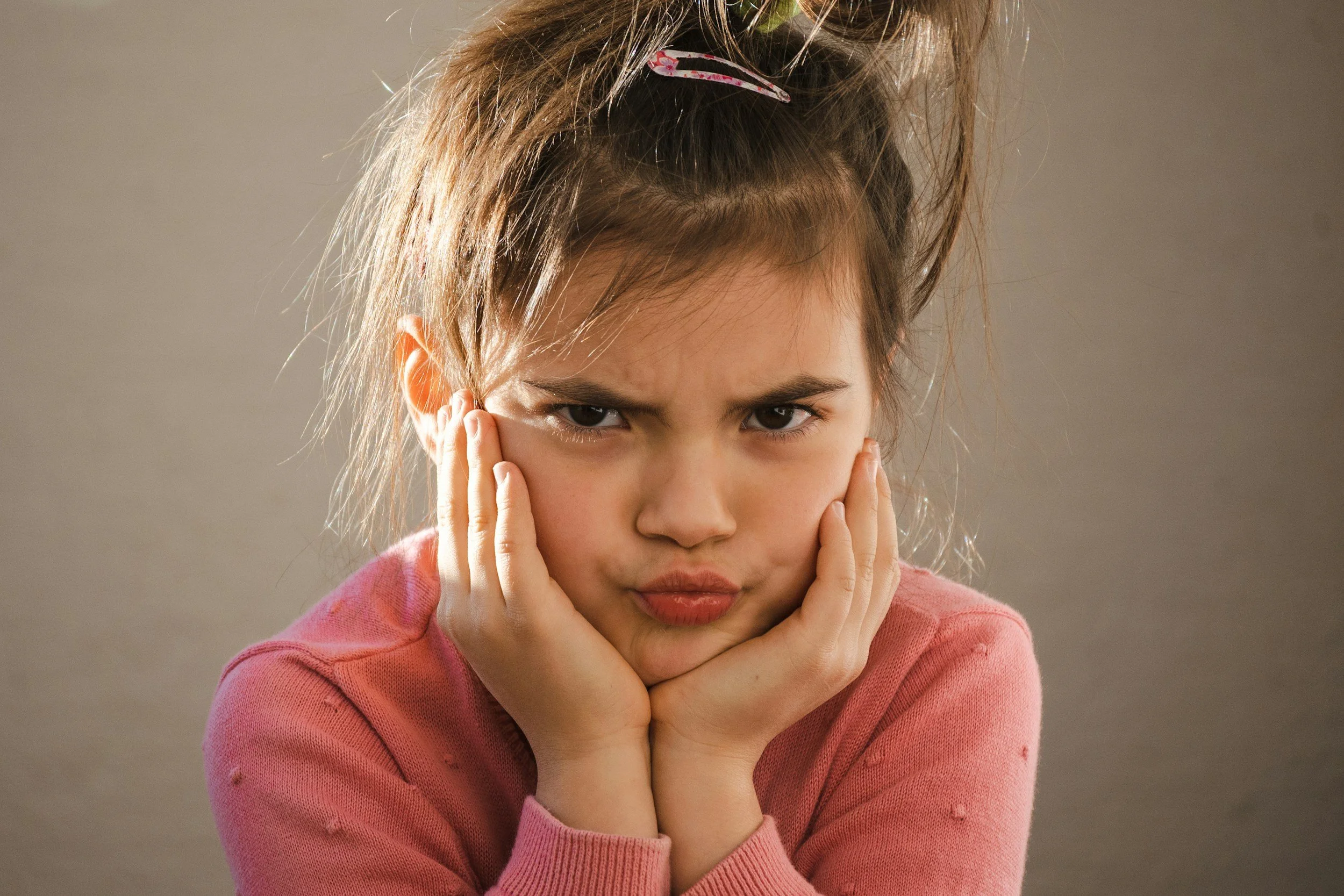
Kid’s Books and Resources About Anger
We’ve collected 5 children’s books and 5 free resources that guide kids through the process of identifying, expressing, and coping with angry feelings in constructive ways. Through storytelling, we can validate the experience of anger while providing supportive navigation.
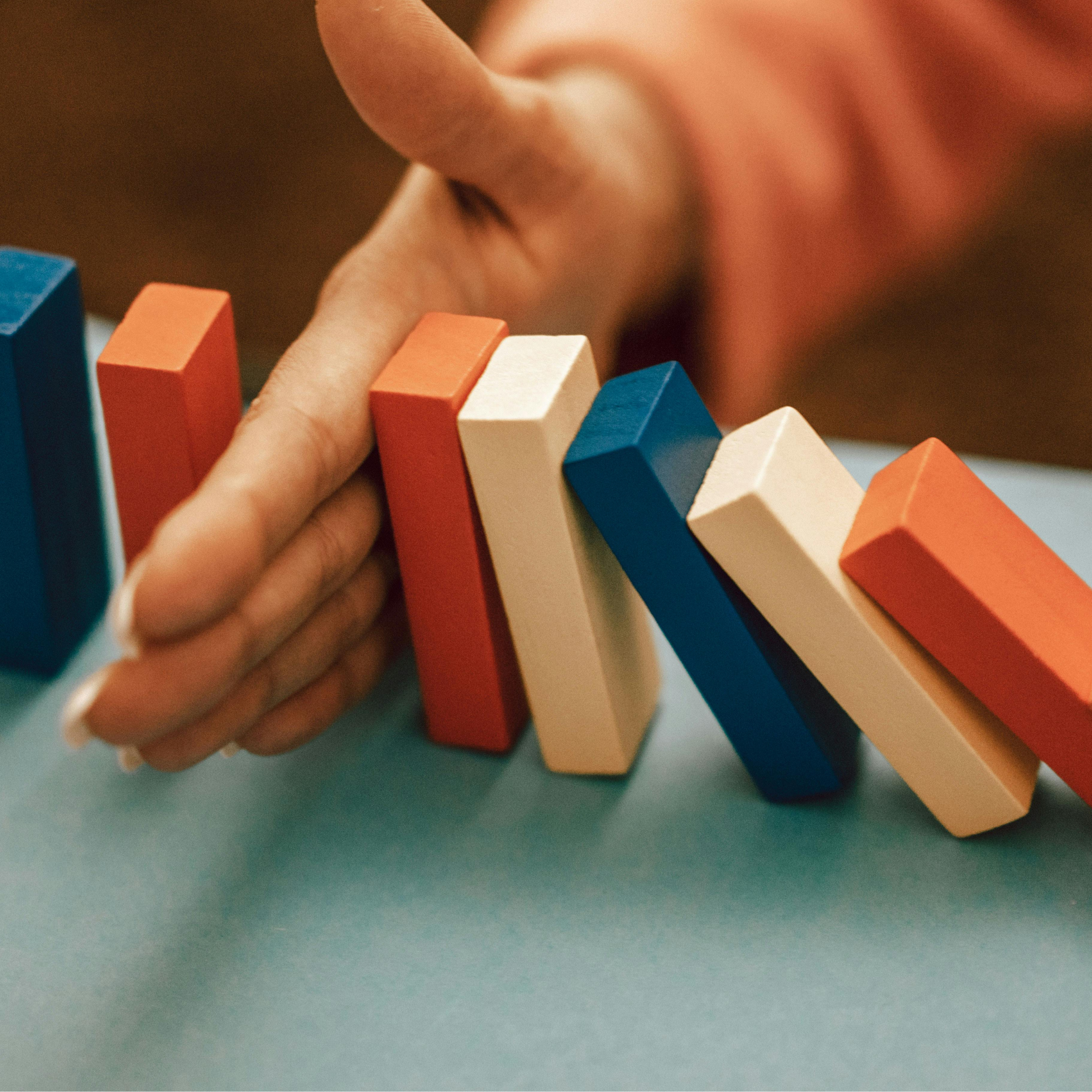
Teaching Kids Cause And Effect
Exploring cause and effect with kids helps them to understand the physical, social, emotional, and functional consequences of behaviors. This reflection on behaviors allows them to appropriately repair negative or unintended consequences, and refine future behaviors to seek positive outcomes.
Read on to learn how to talk to kids about Cause & Effect!

Safety Planning with Kids
Suicidal ideation among children and adolescents is a growing concern and an uncomfortable reality, but awareness contributes to prevention.
Intense emotional pain is often dismissed in young people, but many face overwhelming stress, trauma, or challenges that can lead to unsafe thoughts or behaviors. Early recognition and open conversations are essential for risk reduction.

Navigating Emotional Dysregulation in Kids
Emotional regulation is often equated with calmness, but that’s not the whole picture. Rather, emotional regulation is effective management of all emotions. Anger, sadness, frustration, jealousy, grief, excitement, shock, elation, fear are not generally “calm” emotions, but a person can experience them from a place of governance.
Read on to learn more, and explore our free printable resources!

Navigating Childhood Friendships
Exploring a child’s interactions with peers can be a glimpse into their emotional well-being and social functioning. These early relationships are where children practice empathy, navigate conflict, and form a sense of identity outside the family unit.
Read on to learn more about helping kids to prepare for and manage social challenges!

How To: House Rules
By identifying house rules in terms of “dos” and “don’ts,” kids (and adults!) can benefit from clear boundaries and expectations. Read on to access our free printable PDF to outline household “dos” and “don’ts,” and use this tool to promote respect, cooperation, and accountability at home.

How To: Behavior Charts
By visually tracking progress on a sticker chart, we can help kids increase motivation, develop self-discipline, and reinforce positive habits. Read on to learn best practices for behavior charts!

Draw Your Day
This free printable art therapy activity highlights two main skills: routine conceptualization and emotional exploration. By preparing for and embracing the natural ebbs and flows of a day, kids can improve their adaptive functioning and lead more balanced lives.

Therapeutic Resources for Adolescents
Some teens struggle to manage the stress, anxiety, and depression that often accompany the pressures of academic achievement, social competency, family dynamics, and self-regard. Early intervention can prevent long-term mental health issues by helping adolescents develop a foundation for emotional well-being.
Read on for more information and free resources!

Anger Management for Kids
A significant part of anger management is understanding the roots of our anger. The examination of anger contributes to self-empathy and allows for the utilization of targeted coping skills. Read on for more information, recommended resources, and free printable worksheets!

8 Mindfulness Worksheets for Kids
Mindfulness practice offers a guided pathway for children to develop a sense of calm, self-awareness, and emotional regulation. Our collection of free printable PDF mindfulness worksheets provides a variety of engaging activities designed to help kids explore presence of mind, manage stress, and cultivate emotional well-being.
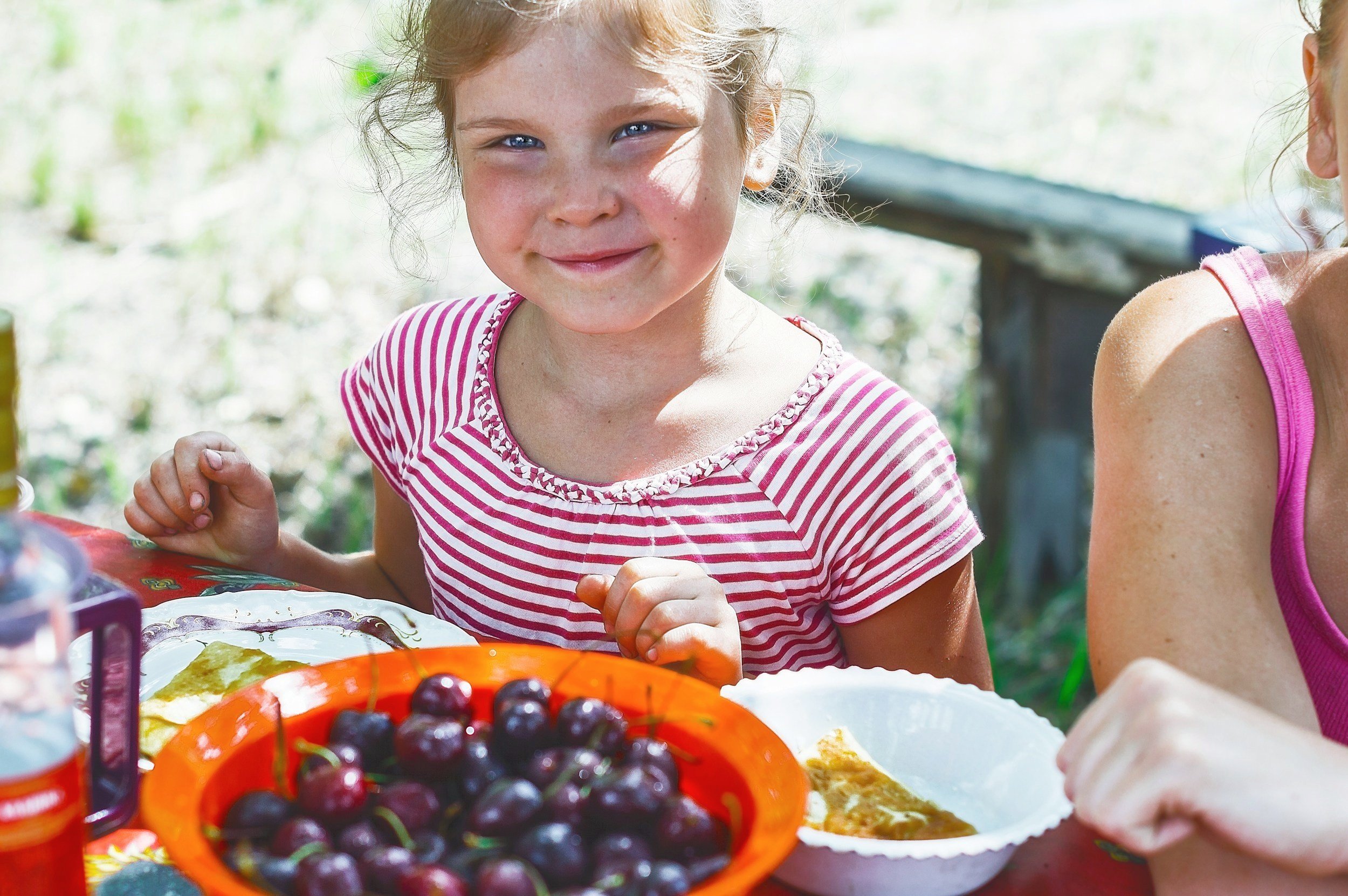
Family Dinner Guide
Gathering for family meals has documented benefits for the mental and physical health of children. Meal planning is out of our scope of practice, but we do have tips and resources to help make family dinners feel more meaningful and connected.