
Pediatric Mental Health Blog
© 2026 COPYRIGHT NOTICE: All original resources, content, and materials produced and displayed on this website are the intellectual property of Child Therapy Guide. These resources are protected by copyright laws and are intended for personal, non-commercial use. Unauthorized reproduction, distribution, or any other unauthorized use of the content without explicit permission from Child Therapy Guide is strictly prohibited. Users are encouraged to enjoy and utilize the resources responsibly, respecting the copyright and intellectual property rights associated with the content. For any inquiries or requests regarding the use of our materials, please contact us through our contact form.

How To: Reciprocal Conversation with Kids
Reciprocal conversation is an active exchange of thoughts, ideas, curiosity, and attention. It’s a valuable skill and we can help kids cultivate it through engaged, thoughtful discourse.
Check out our FREE printable resources!
Sensory Scavenger Hunts for Kids
A good scavenger hunt inspires exploration of the environment while honing observation skills.
Encourage movement, spark curiosity, and practice mindfulness with our free printable scavenger hunts for kids!
Mindful Activities for Kids
Mindfulness practice can cultivate focus, emotional regulation, and resilience. Our collection of free printable mindfulness worksheets and recommended books about mindfulness provide a variety of engaging ways to help kids practice and internalize mindfulness!
Therapeutic Activity: My Calm Down Plan
Help kids identify triggers for dysregulated emotions and behaviors, and then collaborate to find what helps calm them down. Things don’t always go as planned, but foresight and self-empathy can help kids navigate through challenging moments.
Read on for free printable resources for self-regulation.
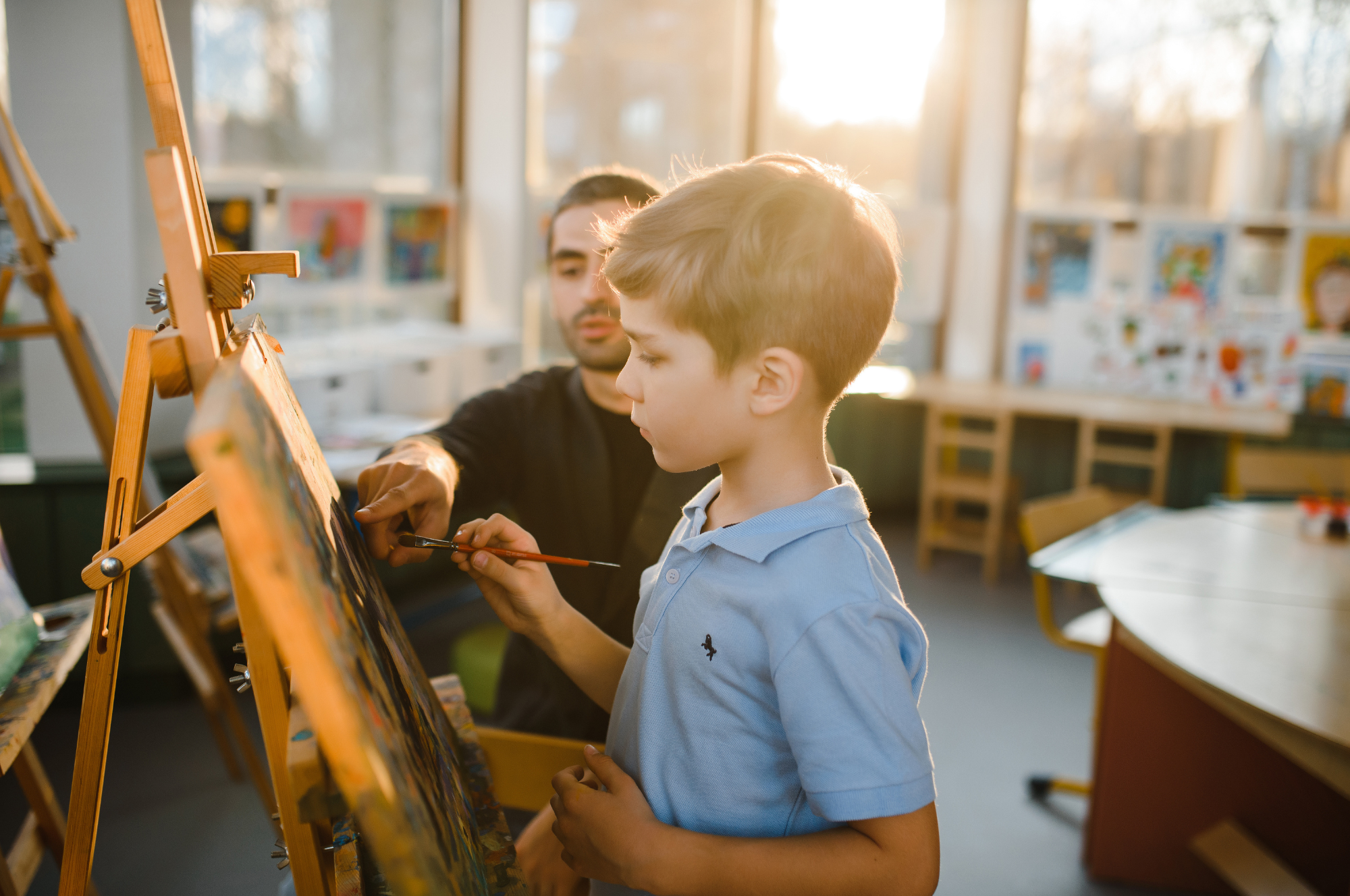
Therapeutic Art Activities for Kids
Art therapy supports emotional and cognitive development through creative expression. Children who regularly engage in artistic activities have access to a non-verbal avenue of self-discovery and communication. Learn more and check out our free printable therapeutic art activities!
Social Anxiety: Let’s Make a Plan!
Social events can be overwhelming, but with guidance, kids can learn to anticipate, navigate, and thrive through uncertainty. We have collected our favorite free printable resources to help kids build confidence and prosocial skills.
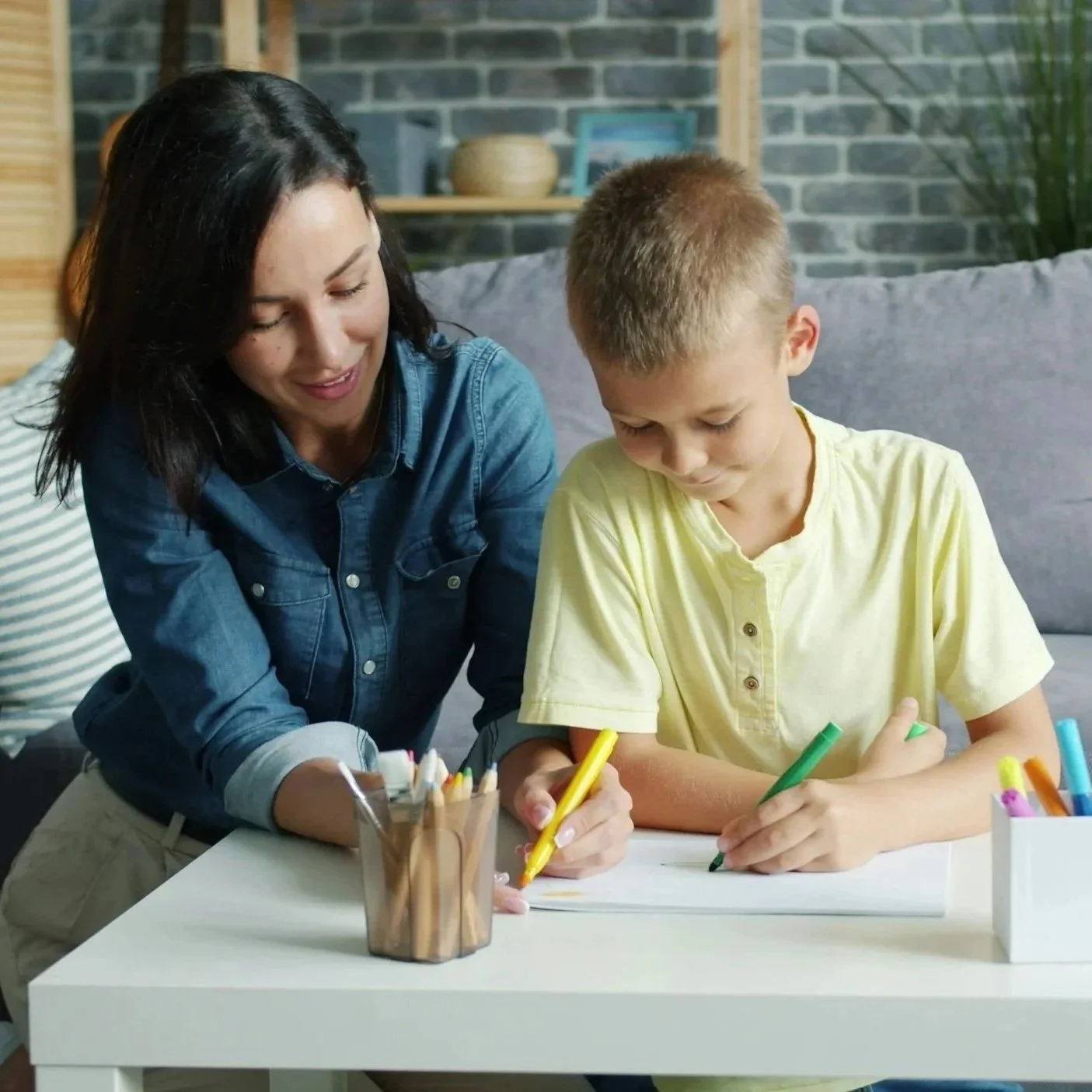
Therapeutic Activity: Color Prompts
Sometimes kids need motivation and purpose to open up. This straightforward printable art activity prompts kids to talk about personal values, feelings, and experiences while coloring.
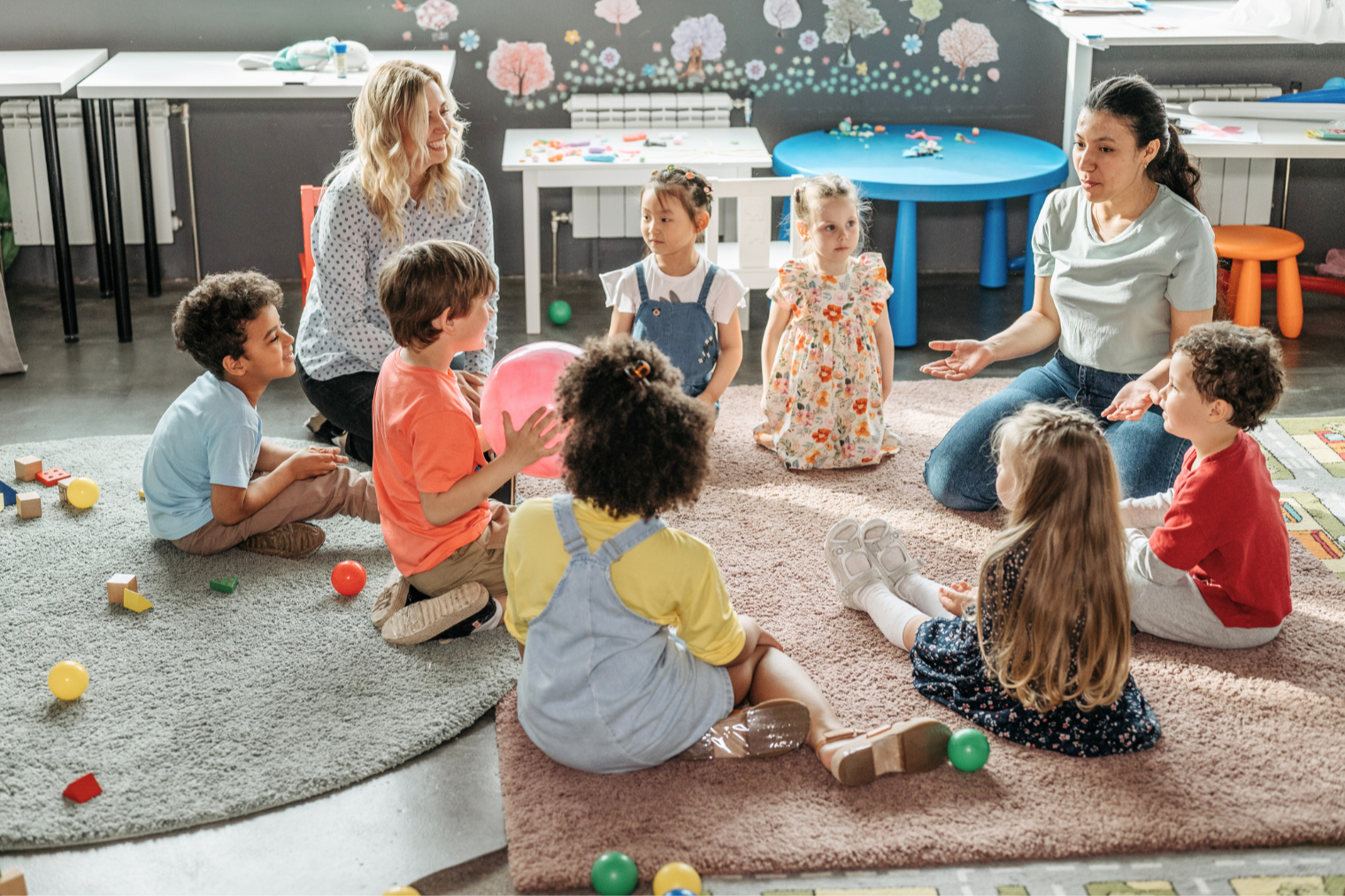
The Empathetic Classroom
Developmentally, young children begin to emerge from an egocentric mindset in preschool and early elementary school. Teachers and parents can help guide the development of empathy through stories, cooperative games, conversation starters, and, perhaps most importantly, modeling behavior.
Read on for free resources to support empathetic development.
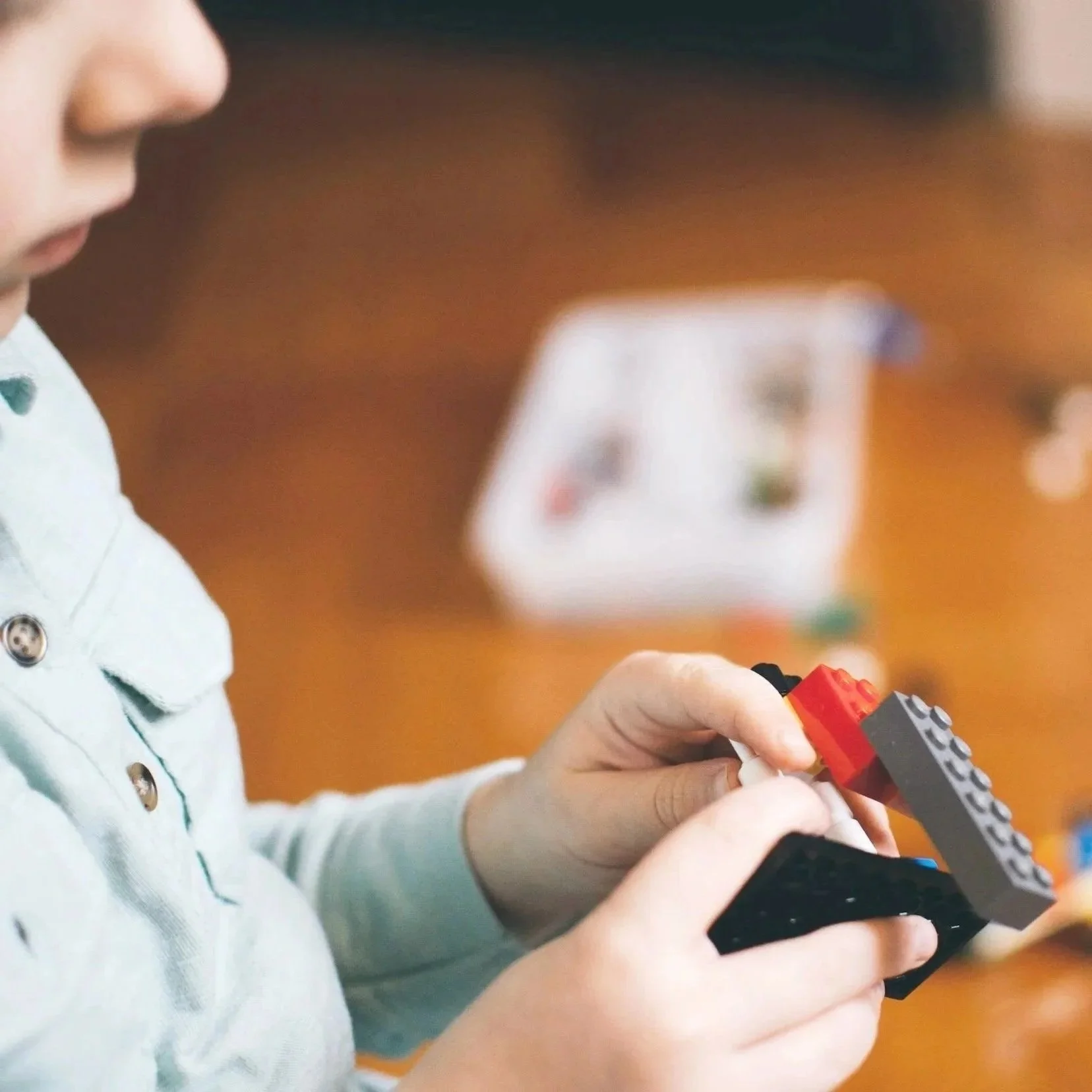
Therapeutic Activity: Build-It Prompts
Build-It Prompts are a hands-on way to engage kids in introspective thinking. It’s simple. Grab dice, some blocks (Lego or Play-Doh work well!), and our free printable activity guide. Roll the dice, read the prompt, and build!
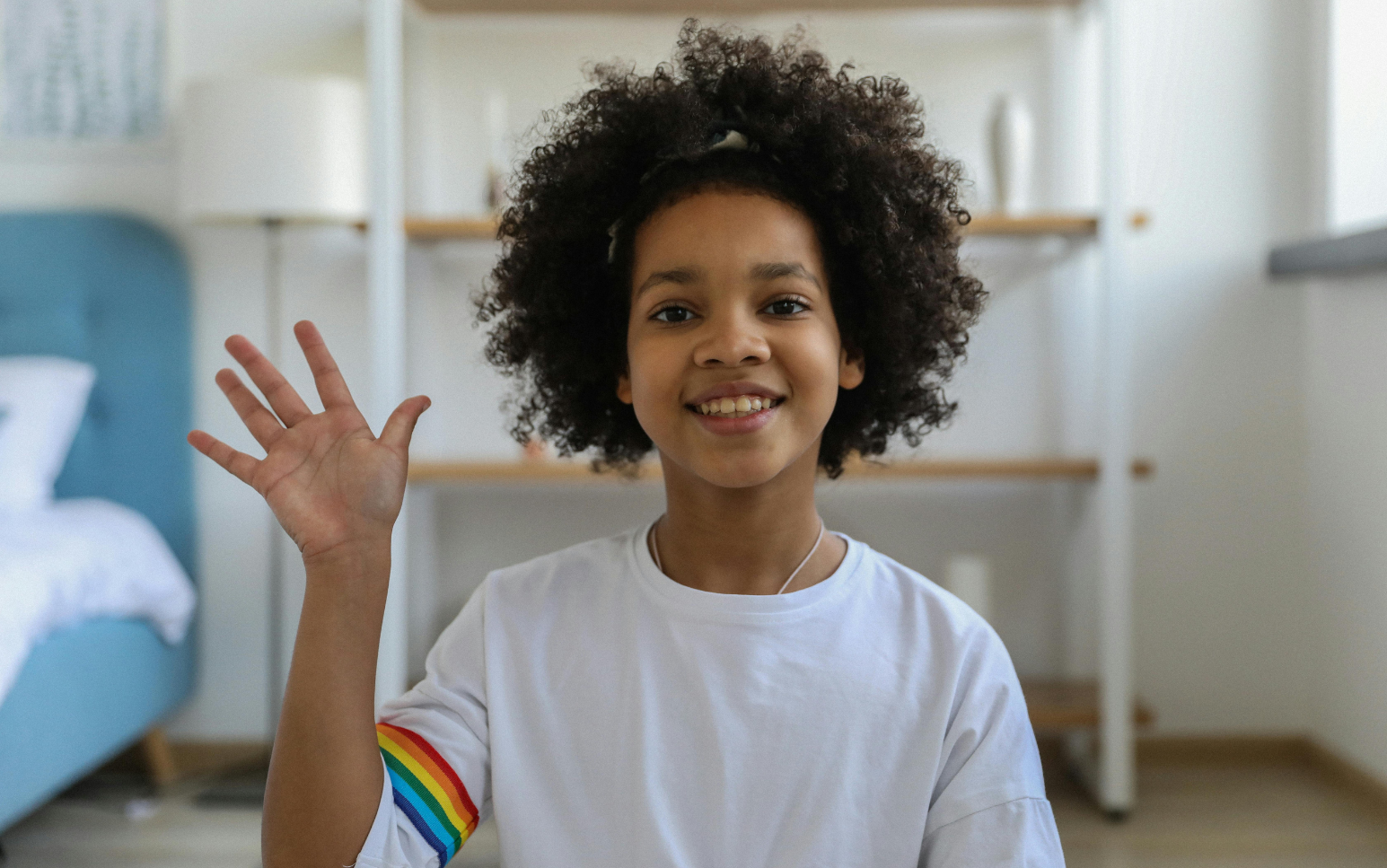
ADHD: Strengths and Challenges
Recognizing and embracing the unique strengths and challenges associated with ADHD is the first step in supporting a child’s development.
Here, we explore symptoms, diagnosis, management, and advocacy of ADHD to cultivate open communication and collaboration between parents, educators, and clinicians to create an environment that celebrates and supports a child’s individuality.
Read on for more information and a free printable handout!
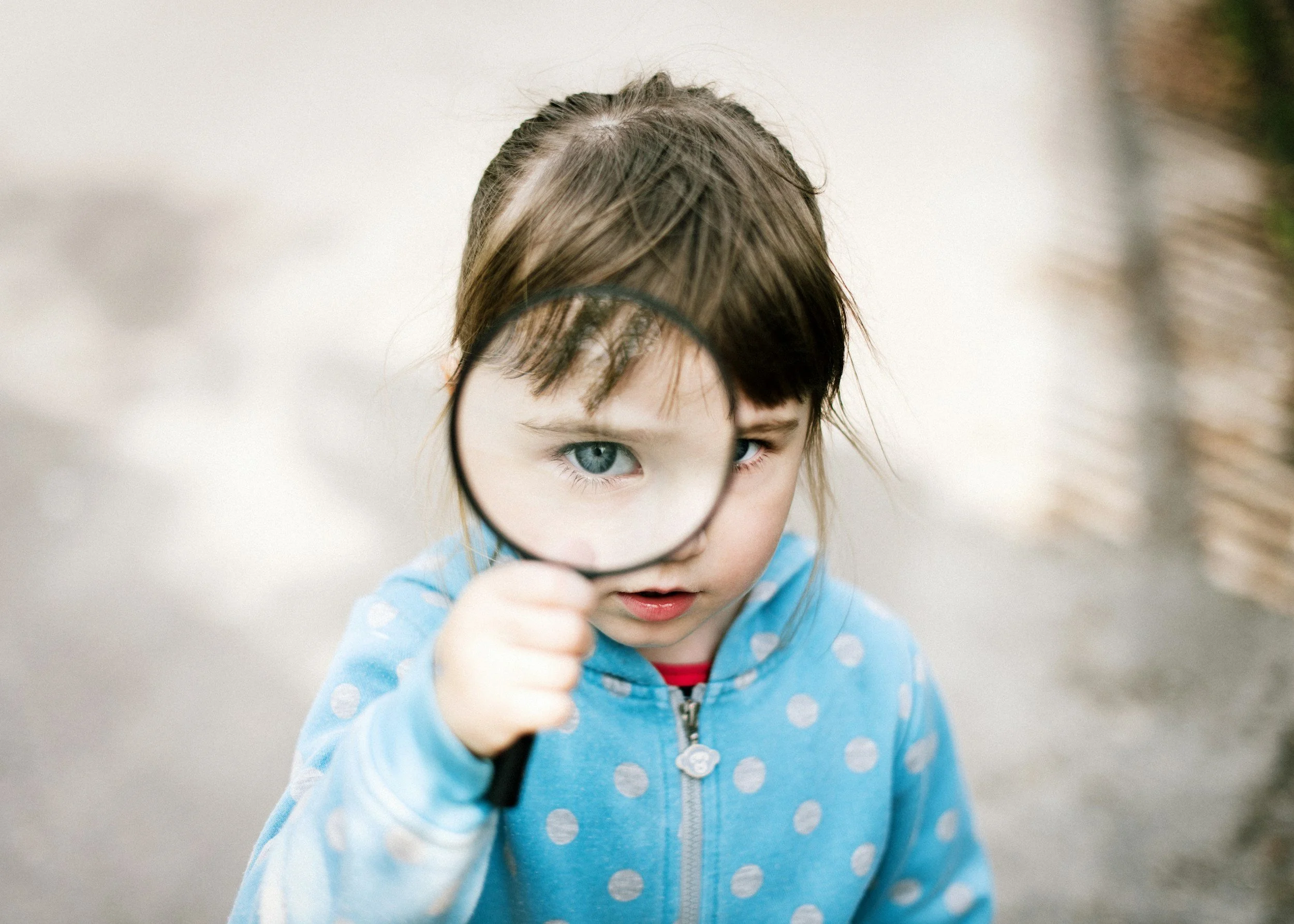
Fact or Opinion?
Our self-perception can shape how we examine our thoughts. For example, a child with a positive self-perception may get a low grade on a spelling test and think, “I didn’t do well, I’ll study more next time.” While a child with a negative self-perception may think, “I didn’t do well, I’m stupid.”
When helping kids examine their thoughts, it is important for them to sort fact from opinion. Are you stupid or were you underprepared?
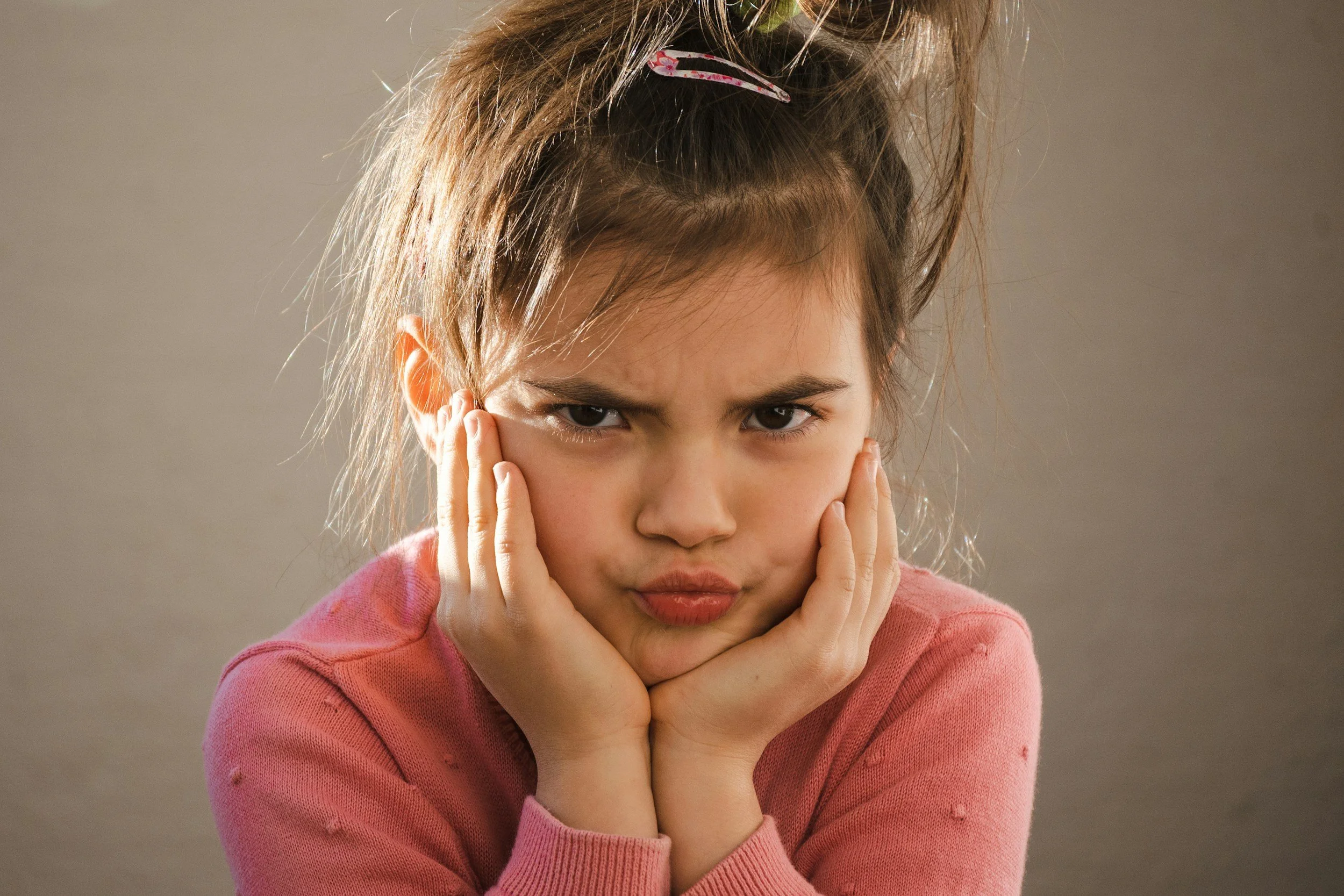
Kid’s Books and Resources About Anger
We’ve collected 5 children’s books and 5 free resources that guide kids through the process of identifying, expressing, and coping with angry feelings in constructive ways. Through storytelling, we can validate the experience of anger while providing supportive navigation.
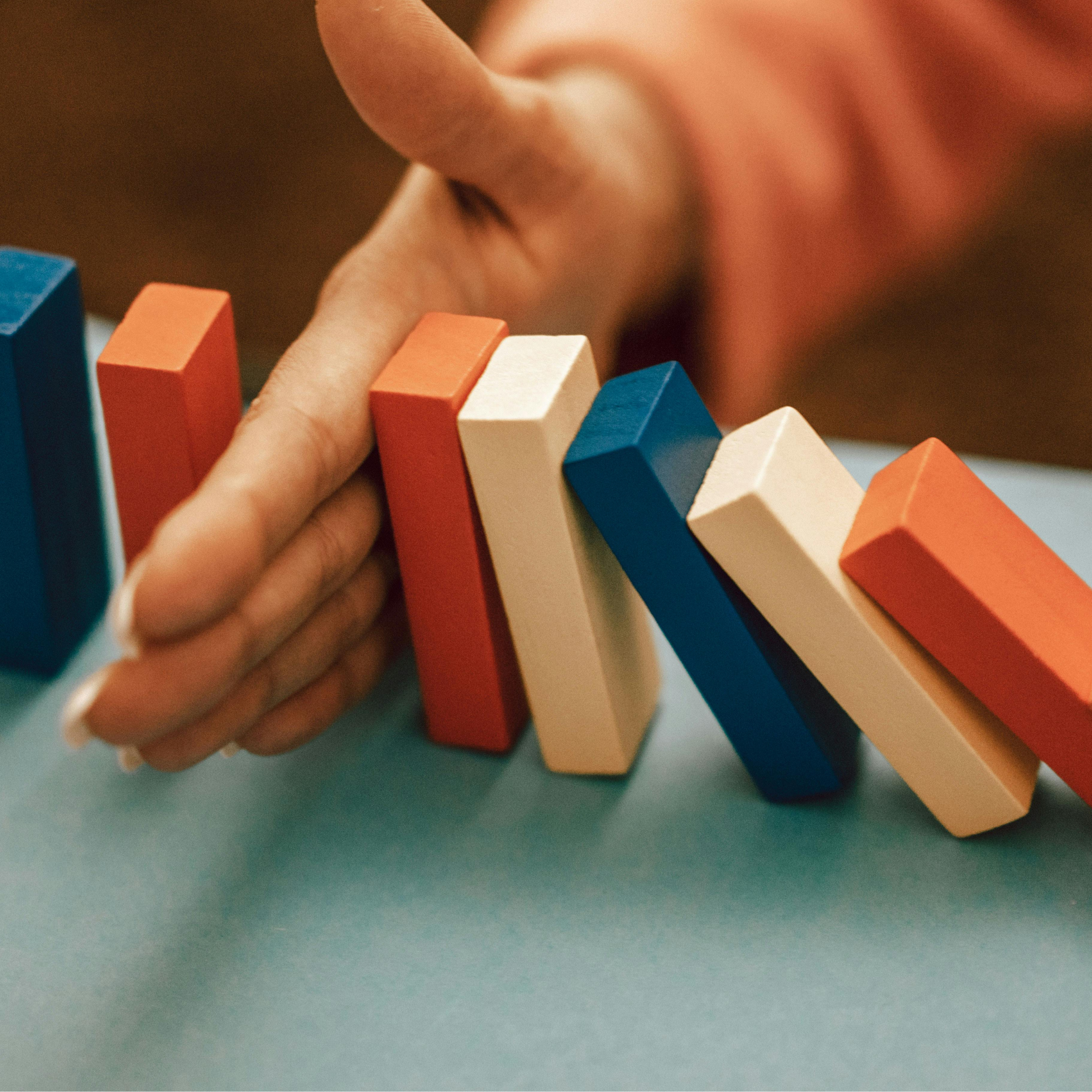
Teaching Kids Cause And Effect
Exploring cause and effect with kids helps them to understand the physical, social, emotional, and functional consequences of behaviors. This reflection on behaviors allows them to appropriately repair negative or unintended consequences, and refine future behaviors to seek positive outcomes.
Read on to learn how to talk to kids about Cause & Effect!
![How to [Realistically] Face A Bully](https://images.squarespace-cdn.com/content/v1/64f7406998895619a632c4af/1756838967301-4M7KBDSQM8UP0HSXSXVG/How+to+face+bullying.png)
How to [Realistically] Face A Bully
When working with victimized kids, it can be helpful to talk about preserving their “light” over confronting the bully. Some kids feel empowered to stand up to their bully, but many lack the social supports and/or confidence to successfully navigate a confrontation. In these cases, remind them that they don’t have to do anything except shield their light.
We have collected 10 of our free printable resources to help kids find their light and build self-esteem.

Self-Perception in Childhood
Kids are often in positions where they can’t change their circumstances and this lack of control can lead to feelings of despair and negative self-perception. So how can we help them find ways to exercise self-efficacy within the confines of childhood? Connect them with their future selves!
We have created two free, printable exercises to help kids think about their present situation, how they would like things to be different, and their aspirations for the future.

Would You Rather…?
“Would you rather…?” questions encourage kids to consider and compare outcomes while learning to articulate personal preferences. The exploration of likes, dislikes, passions, and outcomes builds confidence and supports emotional development.
Read on for access to our free printable resources that promote meaningful conversation!

5 Scavenger Hunts for Kids
A good scavenger hunt inspires exploration of the environment while honing observation skills. Encourage movement, spark curiosity, and practice mindfulness with our FREE PRINTABLE SCAVENGER HUNTS.

Worksheets for Child Therapy: Activities
Our free printable therapeutic activities provide creative outlets for kids to explore their emotions, understand their behaviors, and develop essential coping skills.

Navigating Emotional Dysregulation in Kids
Emotional regulation is often equated with calmness, but that’s not the whole picture. Rather, emotional regulation is effective management of all emotions. Anger, sadness, frustration, jealousy, grief, excitement, shock, elation, fear are not generally “calm” emotions, but a person can experience them from a place of governance.
Read on to learn more, and explore our free printable resources!

Teaching Togetherness
Perspective-taking takes practice, but it is essential for helping kids develop empathy, emotional intelligence, and prosocial skills. The value of being able to decode the motives of others is the ability lead with compassion, resilience, and logical reasoning. Read on to learn more about perspective-taking through storytelling!