
Pediatric Mental Health Blog
© 2026 COPYRIGHT NOTICE: All original resources, content, and materials produced and displayed on this website are the intellectual property of Child Therapy Guide. These resources are protected by copyright laws and are intended for personal, non-commercial use. Unauthorized reproduction, distribution, or any other unauthorized use of the content without explicit permission from Child Therapy Guide is strictly prohibited. Users are encouraged to enjoy and utilize the resources responsibly, respecting the copyright and intellectual property rights associated with the content. For any inquiries or requests regarding the use of our materials, please contact us through our contact form.
Child Therapy: Games
In counseling, games are experiential tools that build rapport and contribute to effective therapeutic outcomes. Cooperative games help kids learn the significance of collaboration, integrity, and respect.
Read on for tips on how to use games to foster positive sportsmanship through a social-emotional learning lens!

How To: Reciprocal Conversation with Kids
Reciprocal conversation is an active exchange of thoughts, ideas, curiosity, and attention. It’s a valuable skill and we can help kids cultivate it through engaged, thoughtful discourse.
Check out our FREE printable resources!
Free Summer Counseling Activities for Kids
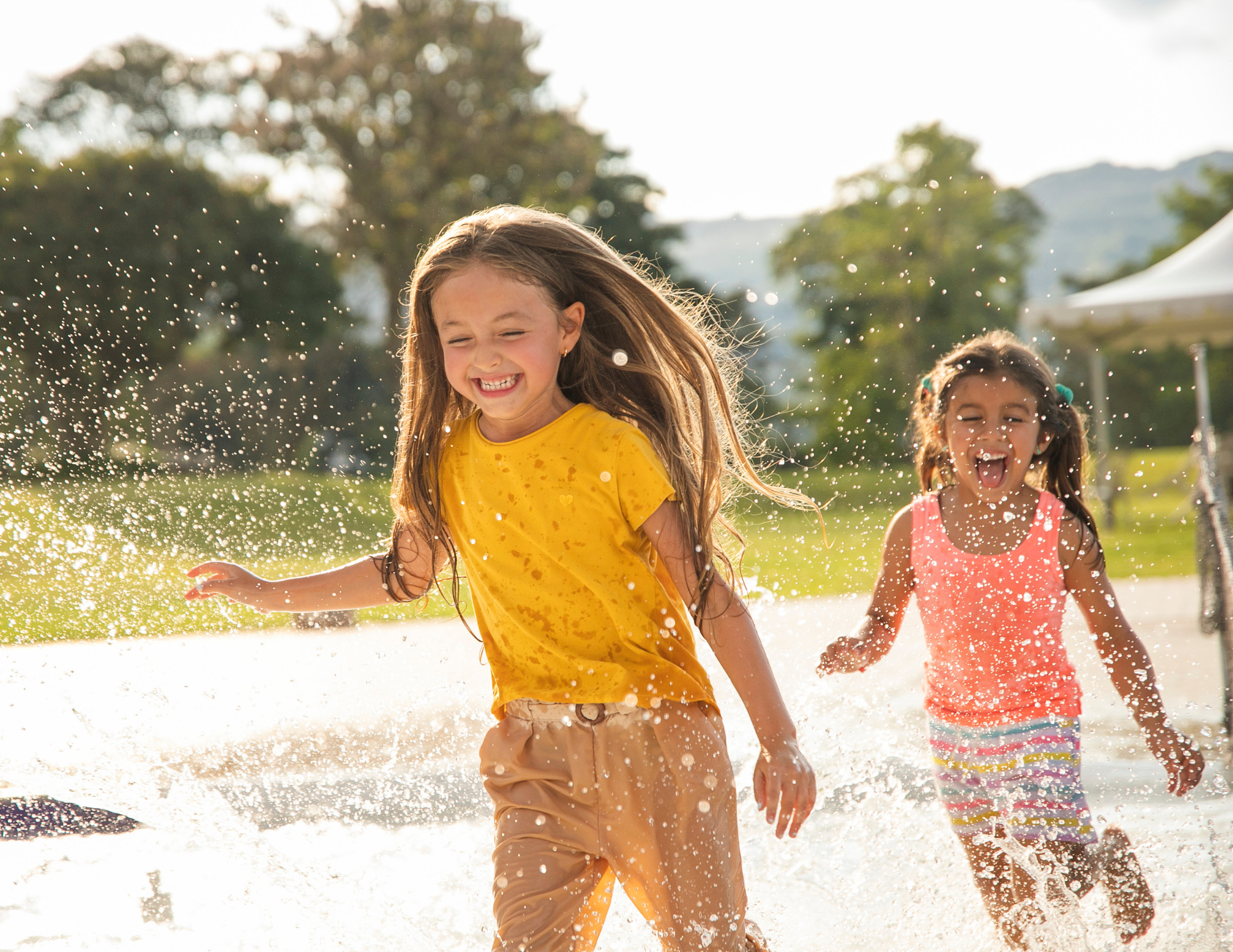
Summer is great time to engage with kids in fun, creative ways! Through play-based learning, art prompts, nature exploration, mindfulness exercises, and team-building games, kids can grow, connect, and thrive during summer break.
Check out our summer recommendations and free printable activities!
Mindful Activities for Kids
Mindfulness practice can cultivate focus, emotional regulation, and resilience. Our collection of free printable mindfulness worksheets and recommended books about mindfulness provide a variety of engaging ways to help kids practice and internalize mindfulness!

Therapeutic Activity: My Calm Down Plan
Help kids identify triggers for dysregulated emotions and behaviors, and then collaborate to find what helps calm them down. Things don’t always go as planned, but foresight and self-empathy can help kids navigate through challenging moments.
Read on for free printable resources for self-regulation.

Therapeutic Art Activities for Kids
Art therapy supports emotional and cognitive development through creative expression. Children who regularly engage in artistic activities have access to a non-verbal avenue of self-discovery and communication. Learn more and check out our free printable therapeutic art activities!
Mindfulness Practice for Emotional Regulation
Everyone says it, take a deep breath to calm down. But does it work?
Yes! Mindful breathing techniques can enhance focus, reduce stress, and regulate emotions. By incorporating simple and fun breathing exercises into their daily routine, kids can more easily access their breath in times of distress.
Read on for FREE PRINTABLE resources.

Is My Child Shy or Just Quiet?
Is my child shy or just quiet? While they co-occur, shyness is different than being quiet. Shyness involves a persistent presence of anxiety. As with any area of mental health, shyness can present in various forms and have a diverse impact on a person’s daily operations. Shyness is only seen as a “problem” if it has a continuous negative impact on a person’s functioning and/or causes the person significant distress. Read on to learn more!

Help Kids Prepare for the Holidays
Parties, events, and traditions around the holidays often alter our daily routines. This can be especially disruptive to kids who struggle with mental flexibility. With anticipated disruptions in mind, try our holiday preparedness conversation starters to promote social skills, confidence, problem-solving, and emotional regulation by helping kids feel heard, understood, and excited about the possibilities that lie ahead.
Preparedness in kids (and adults!) contributes to overall well-being and can significantly reduce dysregulated feelings and behaviors.
Child Therapy: 6 Types
Understanding what type of therapy is best for your child can be overwhelming. This comprehensible post breaks down 6 common modalities used by child therapists: play therapy, family therapy, dialectical behavioral therapy (DBT), acceptance and commitment therapy (ACT), parent-child interaction therapy (PCIT), and cognitive behavioral therapy (CBT). Once you understand what might be the best fit for you child, you can search for an appropriate licensed child therapist near you!

Frequently Asked Questions About Child Therapy
When it’s time to seek therapy for your child, the options can seem endless. Read on for answers to 6 common questions about child therapy!

5 Free Parenting Tools
Our collection of free printable parenting tools offers practical, easy-to-use resources to improve communication, encourage positive behavior, and create a nurturing home environment.

Fact or Opinion?
Our self-perception can shape how we examine our thoughts. For example, a child with a positive self-perception may get a low grade on a spelling test and think, “I didn’t do well, I’ll study more next time.” While a child with a negative self-perception may think, “I didn’t do well, I’m stupid.”
When helping kids examine their thoughts, it is important for them to sort fact from opinion. Are you stupid or were you underprepared?

Kid’s Books and Resources About Anger
We’ve collected 5 children’s books and 5 free resources that guide kids through the process of identifying, expressing, and coping with angry feelings in constructive ways. Through storytelling, we can validate the experience of anger while providing supportive navigation.
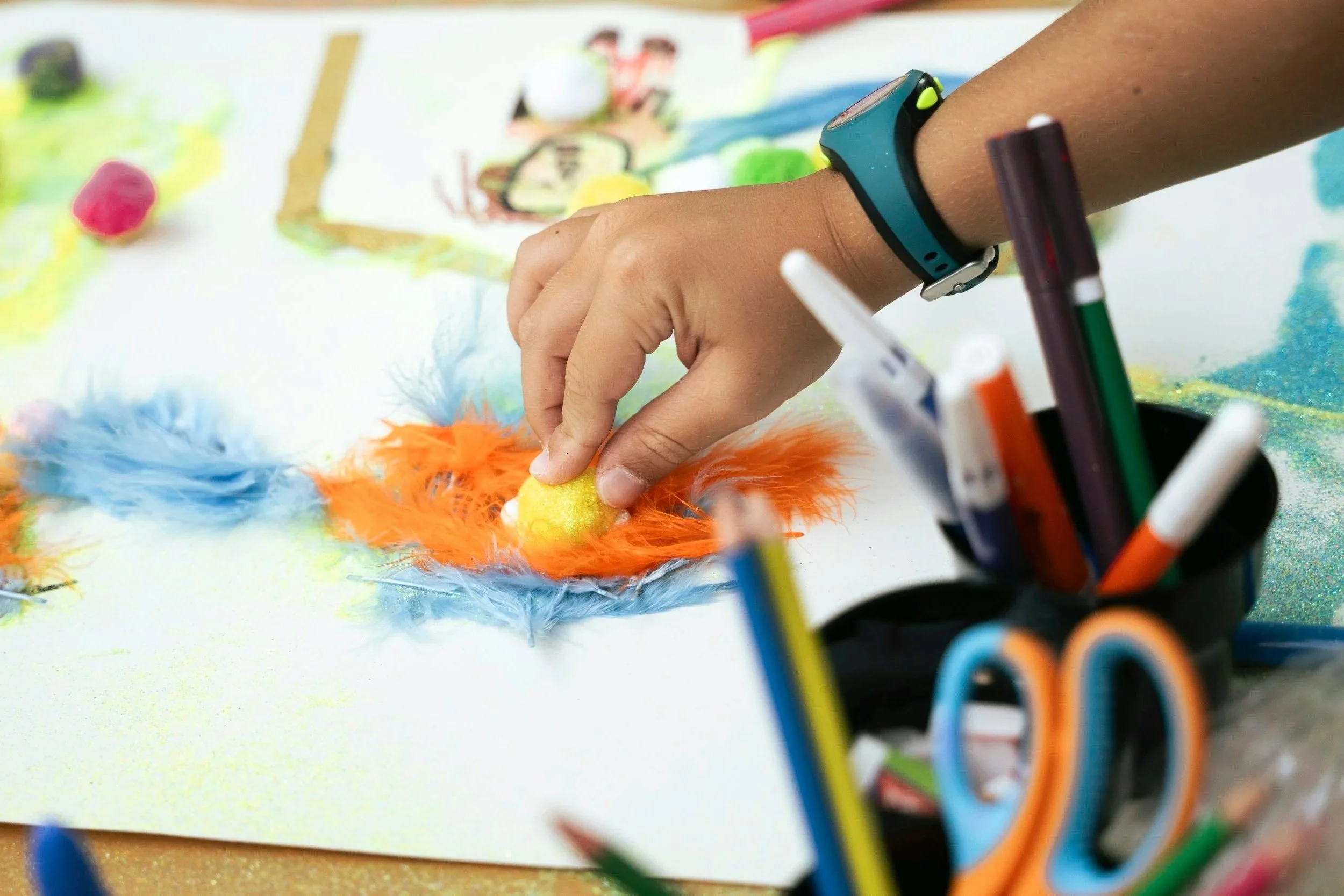
Creative Activities for Counseling Kids
A creative outlet can be a powerful coping tool. Read on to explore our free resources for art therapy, creative writing, and sensory activities.

Infographics About Child Therapy
Our free printable infographics make complex concepts about emotional and behavioral health more accessible so that caregivers, clinicians, and educators are better able to understand and engage with the therapeutic process.
We aim to empower the community through user-friendly psycho-education, skill building, and practical application—because a deeper understanding of mental and behavioral health increases awareness, reduces stigma, and encourages early intervention.

Would You Rather…?
“Would you rather…?” questions encourage kids to consider and compare outcomes while learning to articulate personal preferences. The exploration of likes, dislikes, passions, and outcomes builds confidence and supports emotional development.
Read on for access to our free printable resources that promote meaningful conversation!

Summer Counseling Activities
Summer is great time to engage with kids in fun, creative ways! Through play-based learning, art prompts, nature exploration, mindfulness exercises, and team-building games, kids can grow, connect, and thrive during summer break.
Check out our summer recommendations and free printable activities!

Worksheets for Child Therapy: Activities
Our free printable therapeutic activities provide creative outlets for kids to explore their emotions, understand their behaviors, and develop essential coping skills.

Safety Planning with Kids
Suicidal ideation among children and adolescents is a growing concern and an uncomfortable reality, but awareness contributes to prevention.
Intense emotional pain is often dismissed in young people, but many face overwhelming stress, trauma, or challenges that can lead to unsafe thoughts or behaviors. Early recognition and open conversations are essential for risk reduction.