
Creative Activities for Counseling Kids
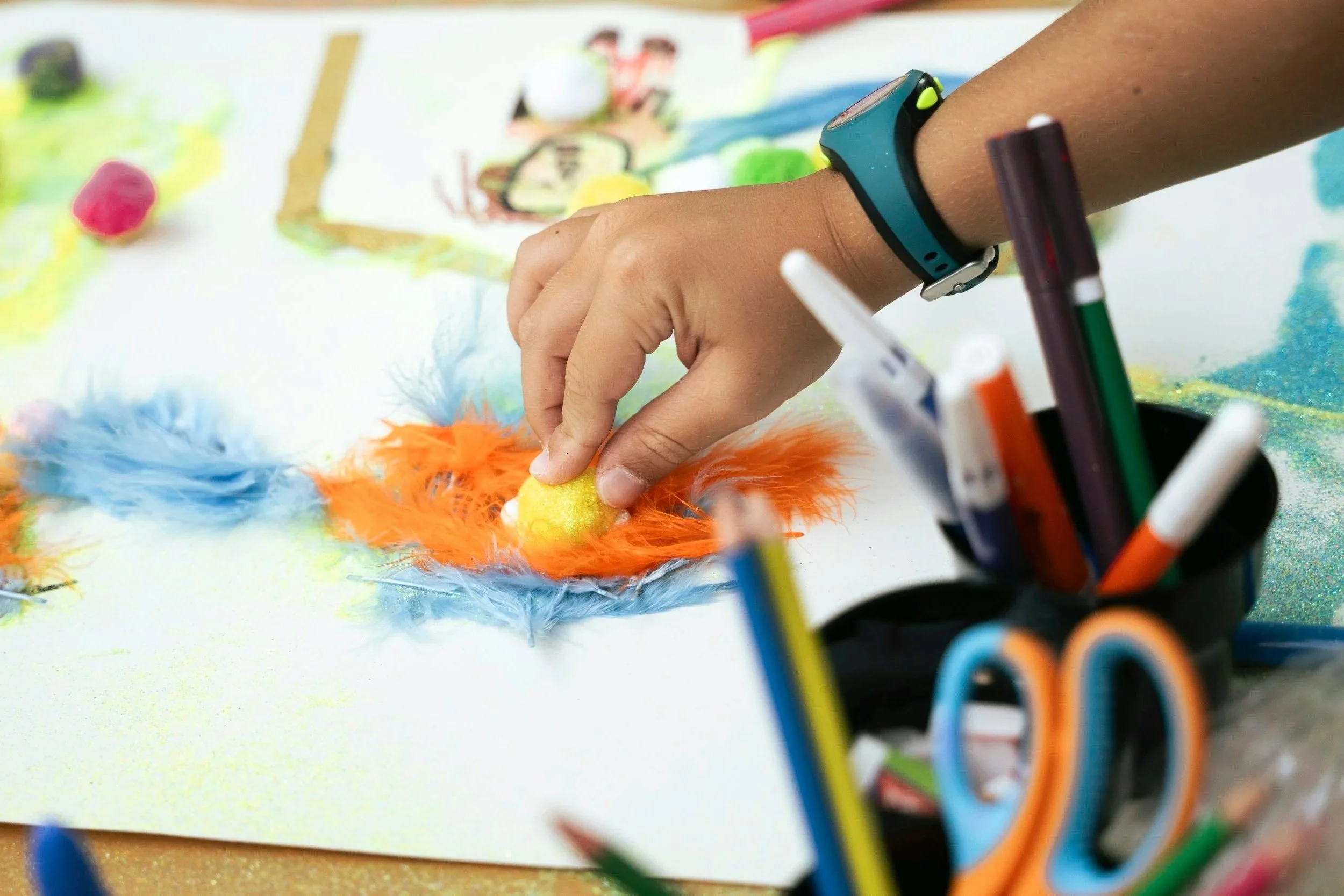
A creative outlet can be a powerful coping tool.
Read on to explore our free resources for art therapy, creative writing, and sensory activities.

Looking at a storm through a window allows us to see what’s happening while staying safe inside. In a similar way, this therapeutic art activity gives kids an opportunity to conceptualize, visualize, and explore different emotions from a safe distance. Read on to learn how to do it!
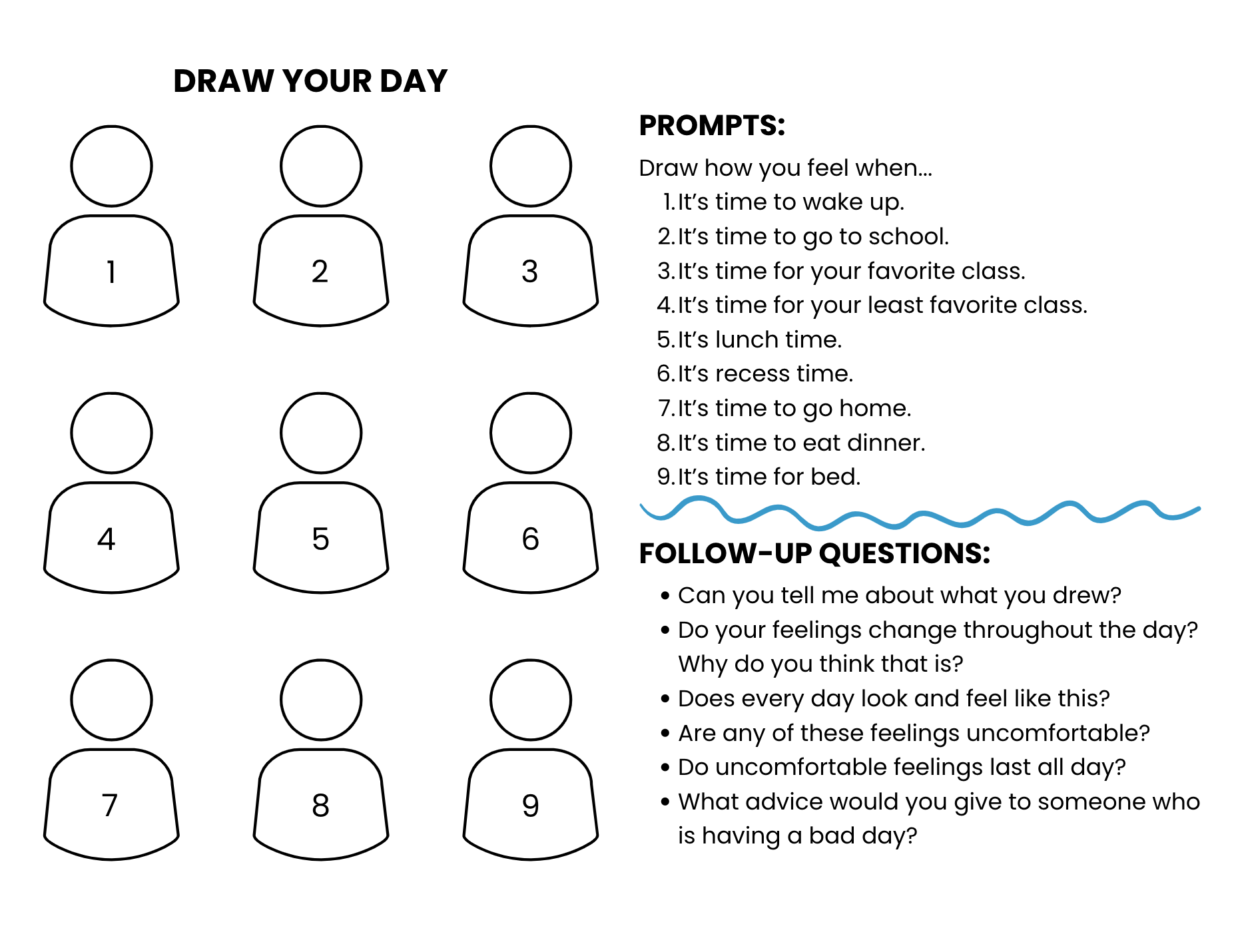
This free printable art therapy activity highlights two main skills: routine conceptualization and emotional exploration. By preparing for and embracing the natural ebbs and flows of a day, kids can improve their adaptive functioning and lead more balanced lives.
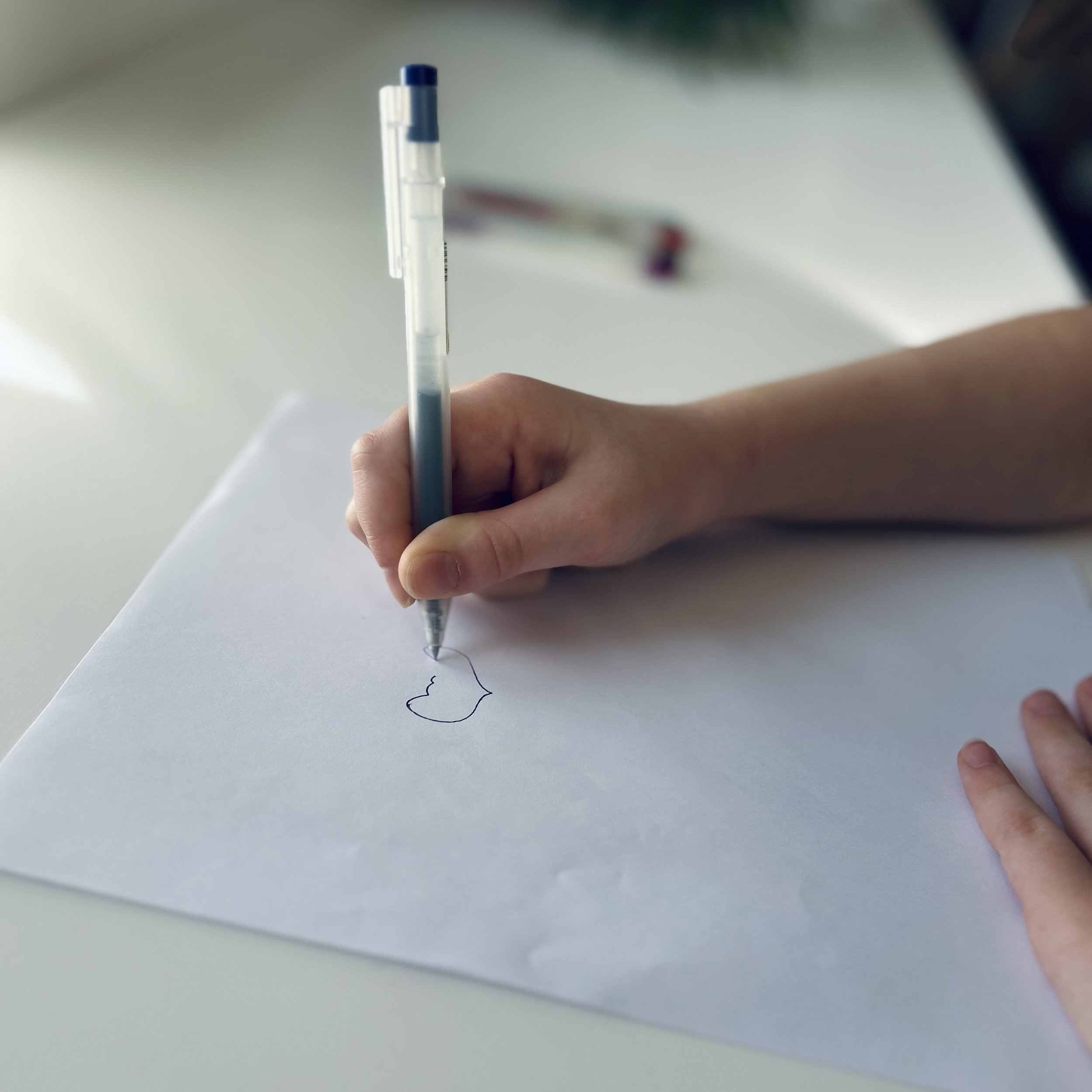
A perfectionist aims for the ideal version of a pursuit and has disproportionate feelings of disappointment if they fail to reach their goal. Perfectionism can have many roots, but it is generally tied to a person’s perception of their self-worth.
Read on to learn more about childhood perfectionism and try our simple art therapy activity!
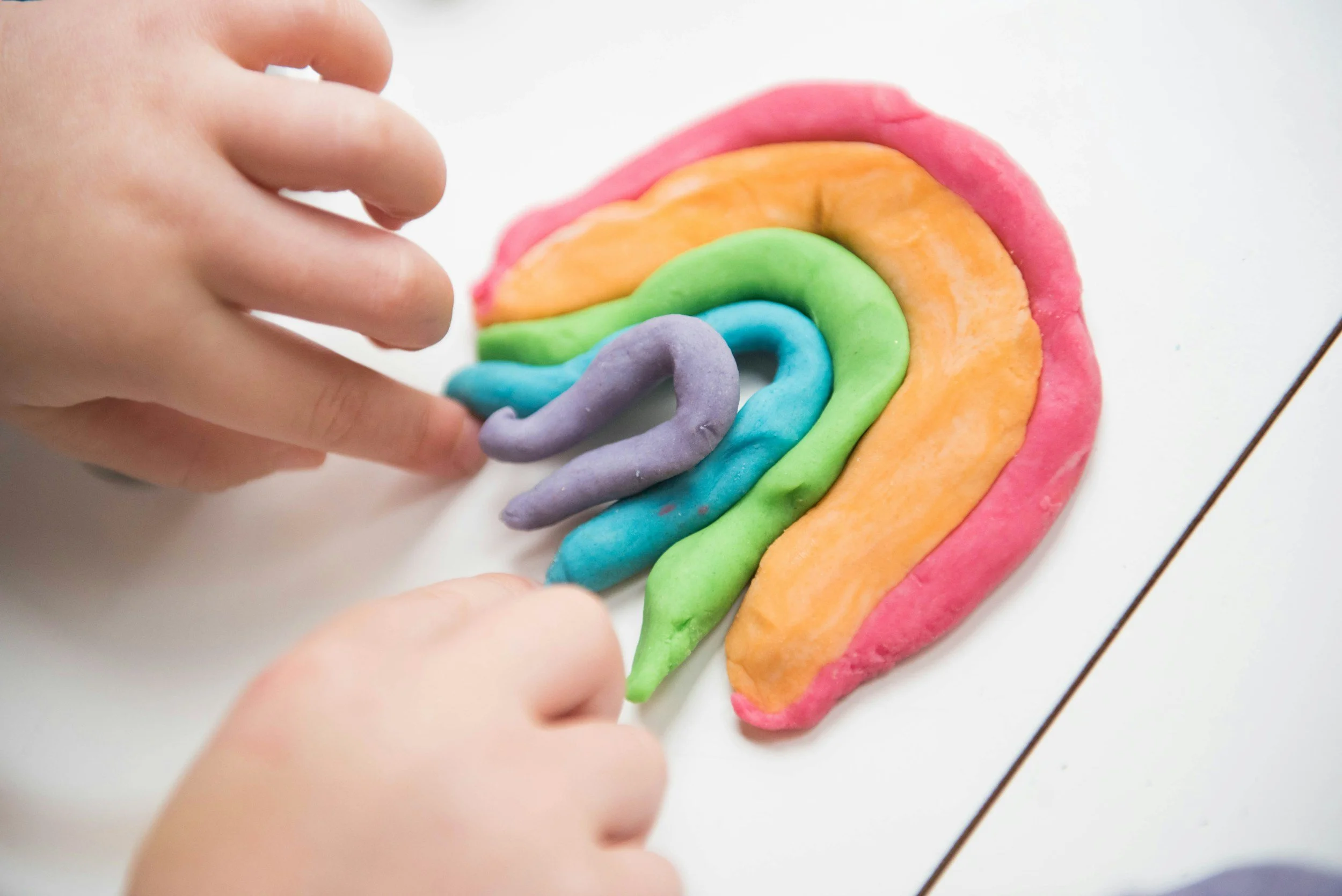
Modeling dough can be used as a tactile sensory tool for exploring therapeutic concepts with kids. Read on for 5 of our favorite dough activities to help kids relieve stress, exercise emotional literacy, practice coping skills, and resolve conflict.

Guided by Social and Emotional Learning (SEL) outcomes, our free writing prompts encourage kids to exercise written communication to promote the development of introspection, self-confidence, and creativity.
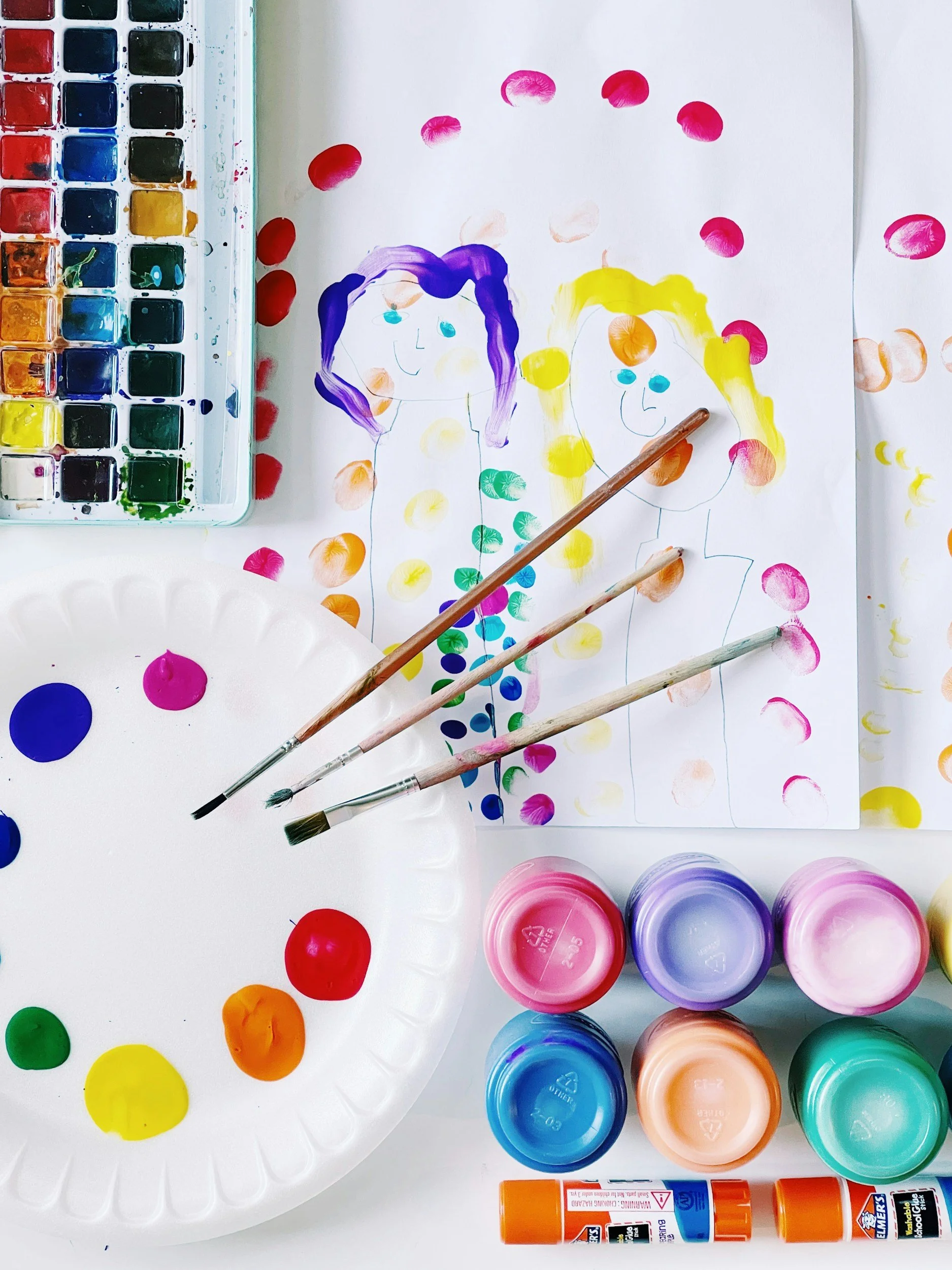
Art therapy empowers children to develop coping skills, build self-esteem, and find healing by using creativity to communicate thoughts and emotions that words alone cannot express. Explore our art therapy prompts, ideas, and activities, and check out our recommended materials for art therapy with kids!
More Blog Posts from Child Therapy Guide:
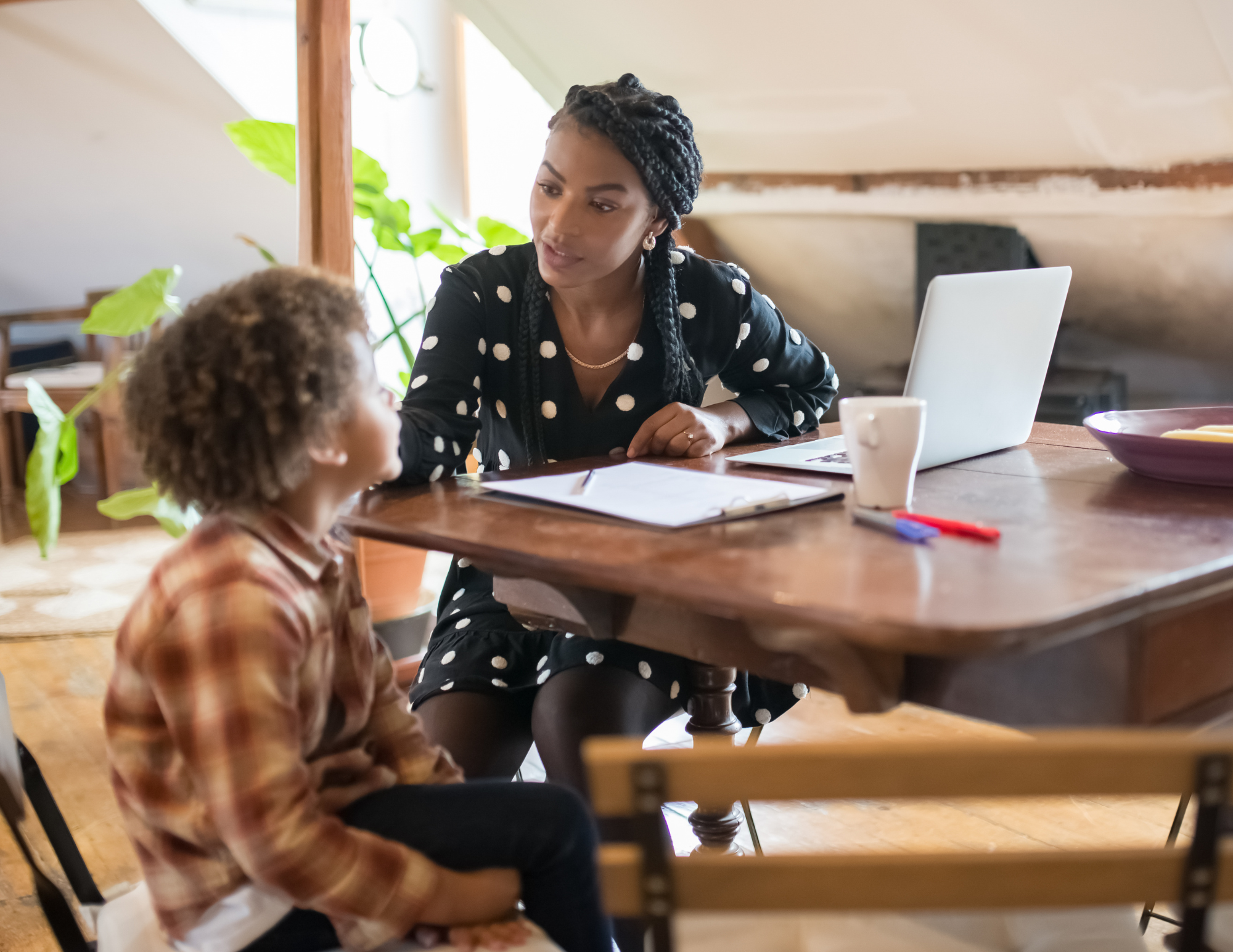

In counseling, games are experiential tools that build rapport and contribute to effective therapeutic outcomes. Cooperative games help kids learn the significance of collaboration, integrity, and respect.
Read on for tips on how to use games to foster positive sportsmanship through a social-emotional learning lens!