The Empathetic Classroom
What is empathy and why is it important in the classroom?
According to Vilella and Reddivari (2023), “Empathy is a complex, psychological-influencing social interaction; it plays a role in understanding others' feelings, suffering, and behavior with a significant link to compassion. It is a motivated phenomenon that allows people to connect emotionally by sharing experiences and feelings. Not limited to the comprehension of feelings, empathy is directly linked to the fundamentals of morality and plays an important role in many social relations.”
Simply put, empathy is putting yourself in someone else’s shoes. It prompts us to perform prosocial behaviors like kindness, sharing, cooperation, and volunteering and to diminish antisocial behaviors like bullying, manipulation, lying, stealing, and hostility (Abramson, 2021).
Empathy requires an ability to conceptualize the experience of another person.
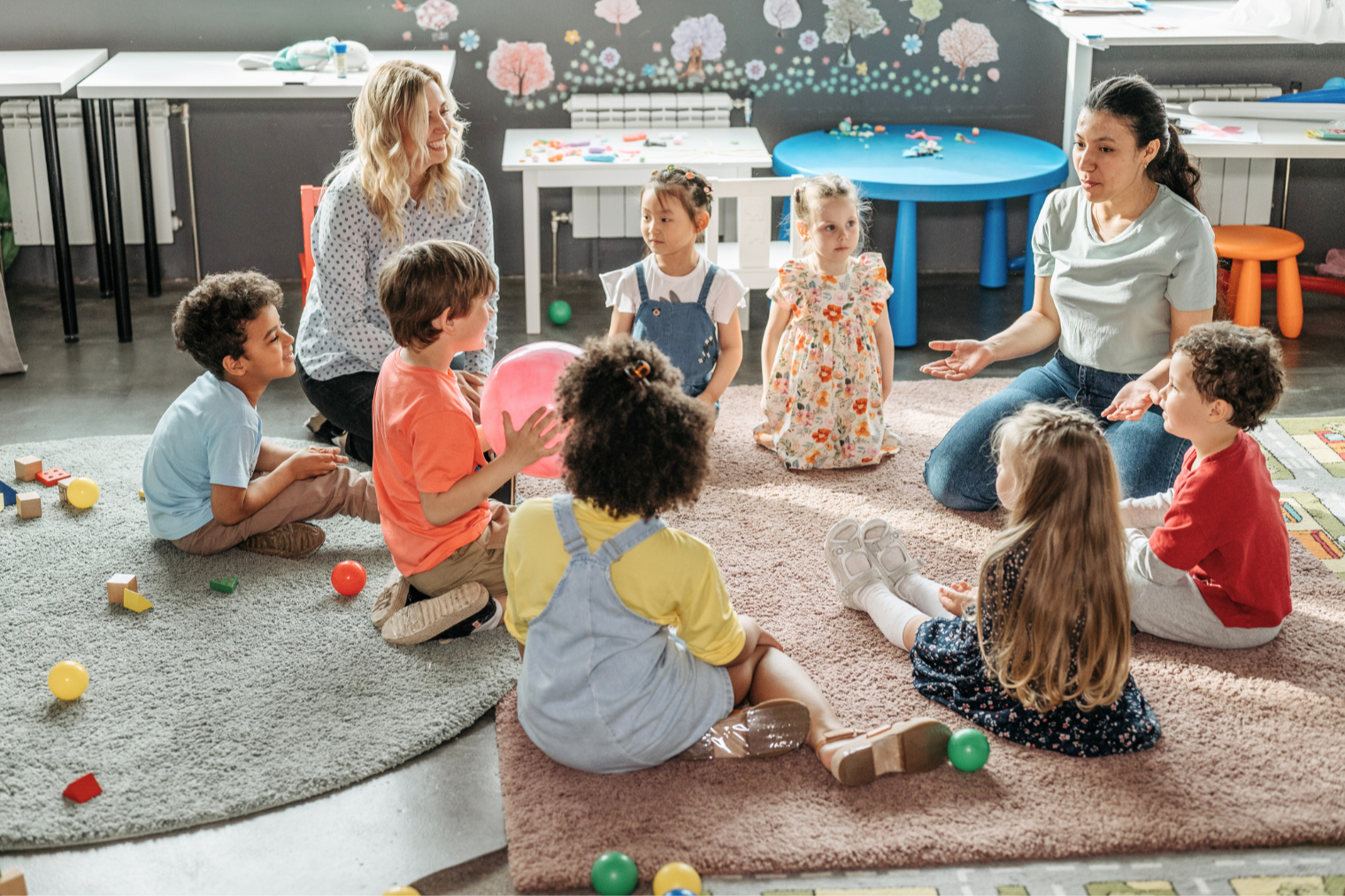
Developmentally, young children begin to emerge from an egocentric mindset in preschool and early elementary school. During this time, teachers and parents can help guide the development of empathy through stories, cooperative games, conversation starters, and, perhaps most importantly, modeling behavior.
The importance of teaching, exploring, exercising, and modeling empathy remains strong throughout adolescence when many children are developing a sense of morality, values, and self-esteem.
Below, we have collected free resources that encourage kids to take new perspectives, consider motives, and stretch their world view.

Use conversation prompts to encourage students to share their perspectives through meaningful discussions. Well-crafted conversation starters contribute to a dynamic classroom atmosphere where students feel comfortable expressing their ideas and collaborating with their teachers and peers.

School-based scenario cards help kids think and talk about the complex issues that may arise outside of the home.
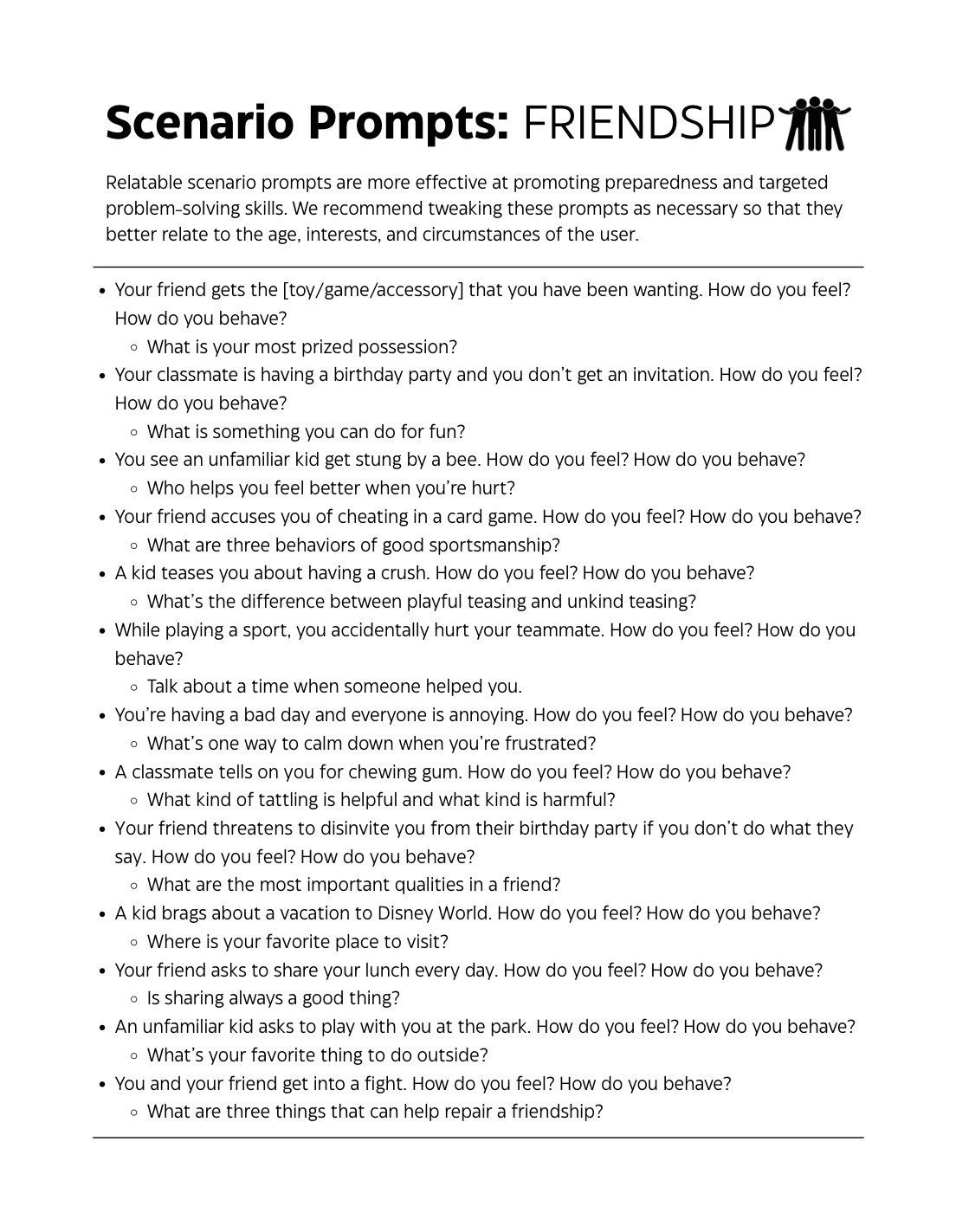
Scenario prompts can help kids feel prepared for and supported through social challenges. By presenting realistic situations for their consideration, these prompts encourage kids to problem-solve, explore emotions, and examine different perspectives.

A significant part of anger management is understanding the roots of our anger. The examination of anger contributes to self-empathy and allows for the utilization of targeted coping skills.

Effective communication during adolescence builds mutual trust, understanding, and respect. This kind of communication allows parents to better recognize cues and attend to the needs of their teenager.
There are so many things we don’t know about the people closest to us. Try these open-ended prompts to explore new territory!
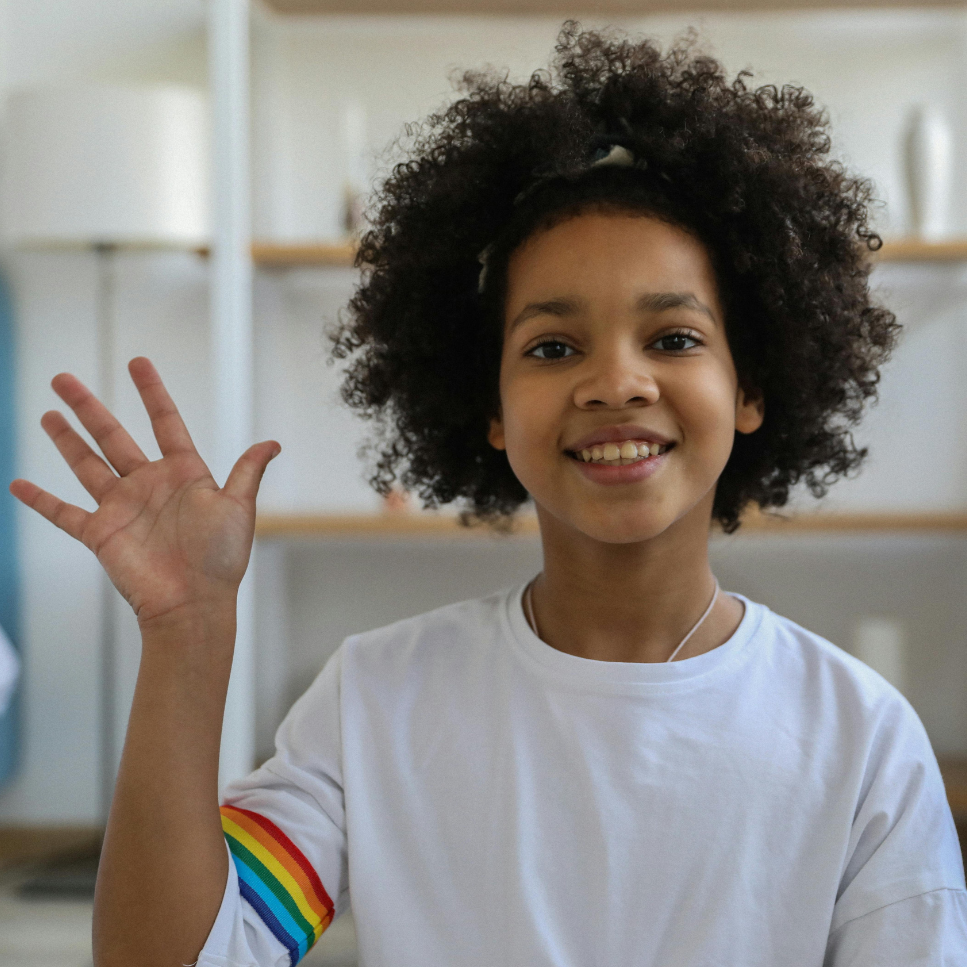
Recognizing and embracing the unique strengths and challenges associated with ADHD is the first step in supporting a child’s development.
We can build empathy in the classroom by normalizing accommodations and educating neurotypical kids about learning and processing differences.
Here, we explore symptoms, diagnosis, management, and advocacy of ADHD to cultivate open communication and collaboration between parents, educators, and clinicians to create an environment that celebrates and supports a child’s individuality.

Social anxiety is common among children. We can help kids support each other in the classroom by fostering an understanding of the challenges and feelings associated with social anxiety.
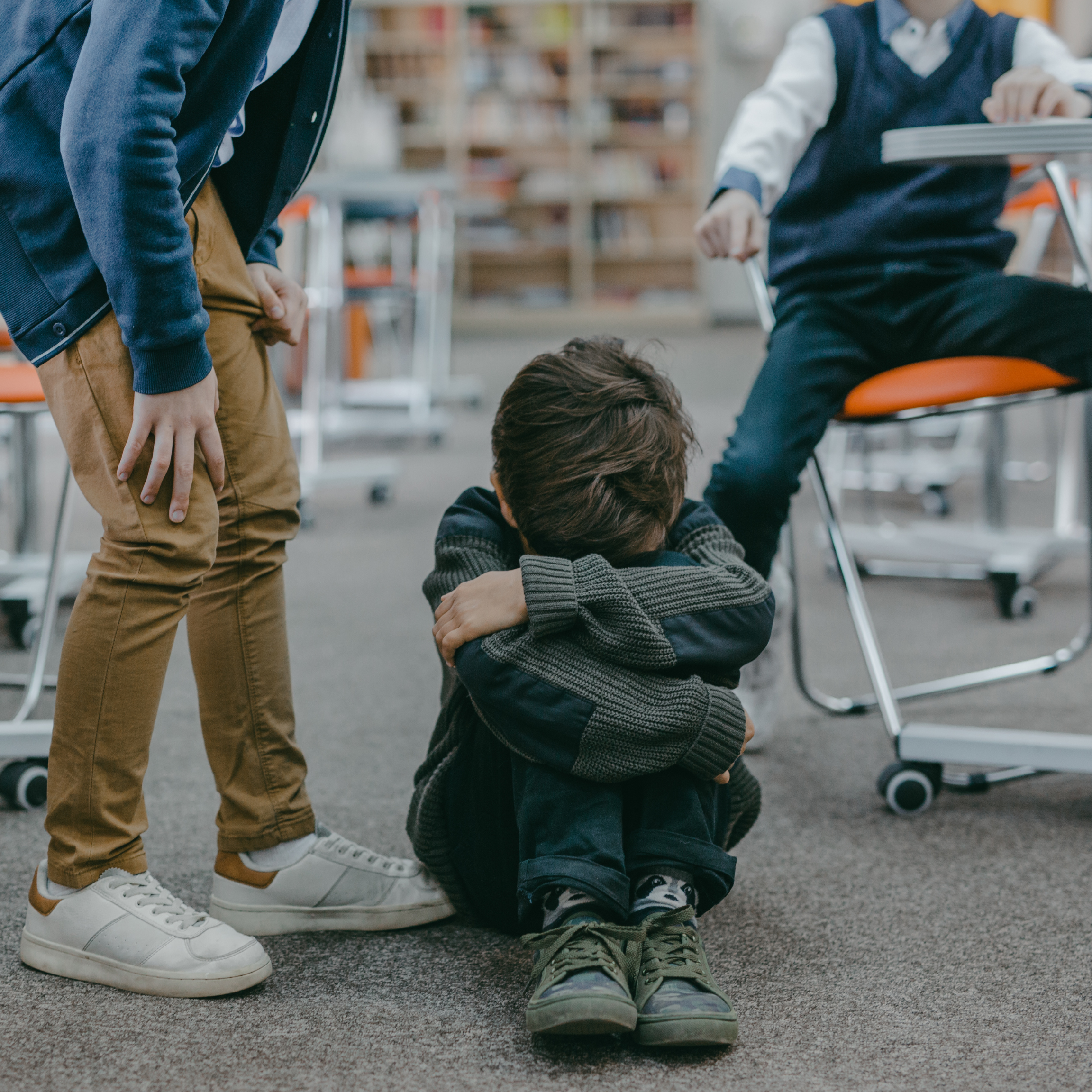
Some kids feel empowered to stand up to their bully, but many lack the social supports and/or confidence to successfully navigate a confrontation. By talking about relevant peer-conflict issues, we can help kids develop a plan to keep themselves and their classmates safe.
We have collected 10 of our free printable resources to help kids manage a bully-situation.
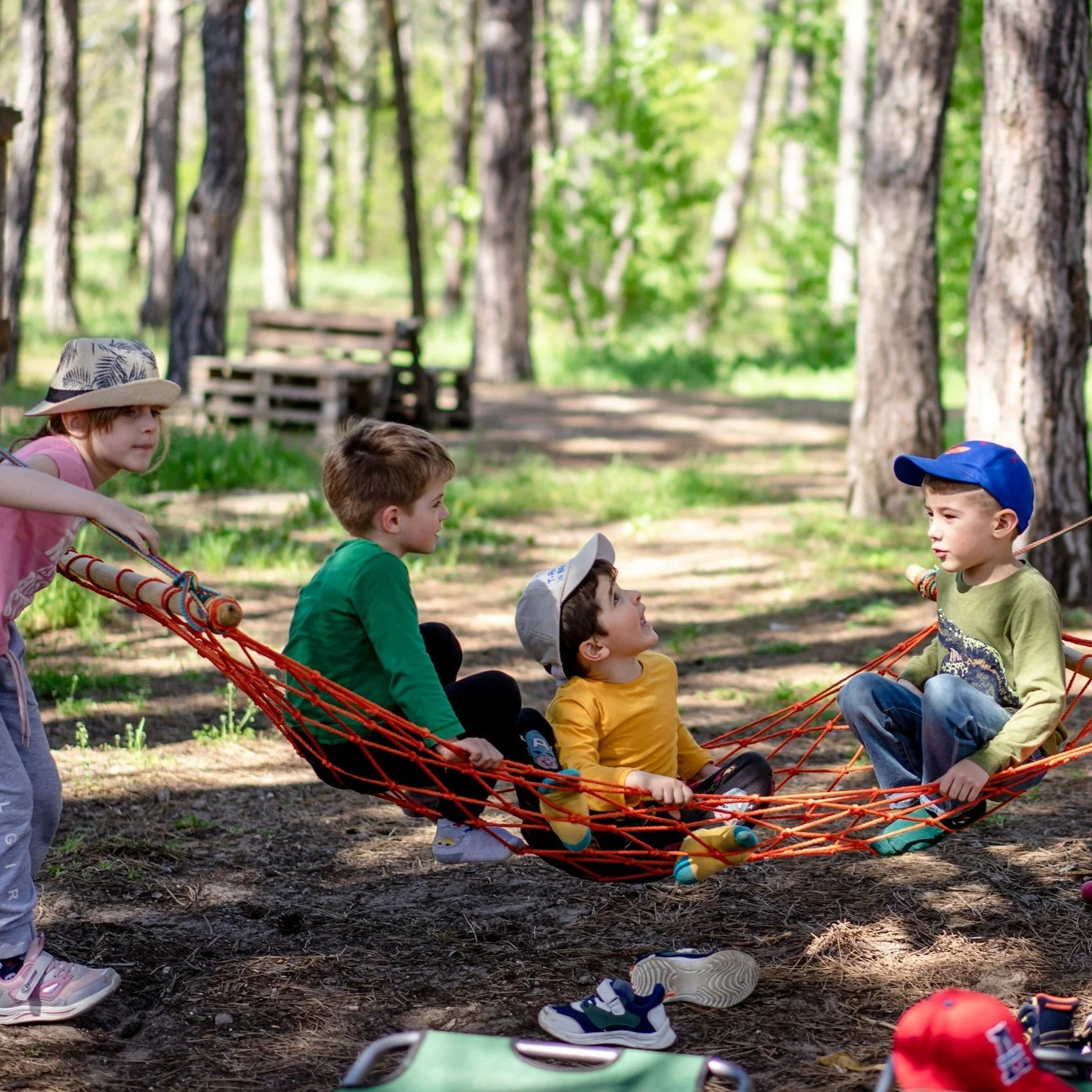
Exploring a child’s interactions with peers can be a glimpse into their emotional well-being and social functioning. These early relationships are where children practice empathy, navigate conflict, and form a sense of identity outside the family unit.
Read on to learn more about helping kids to prepare for and manage social challenges!
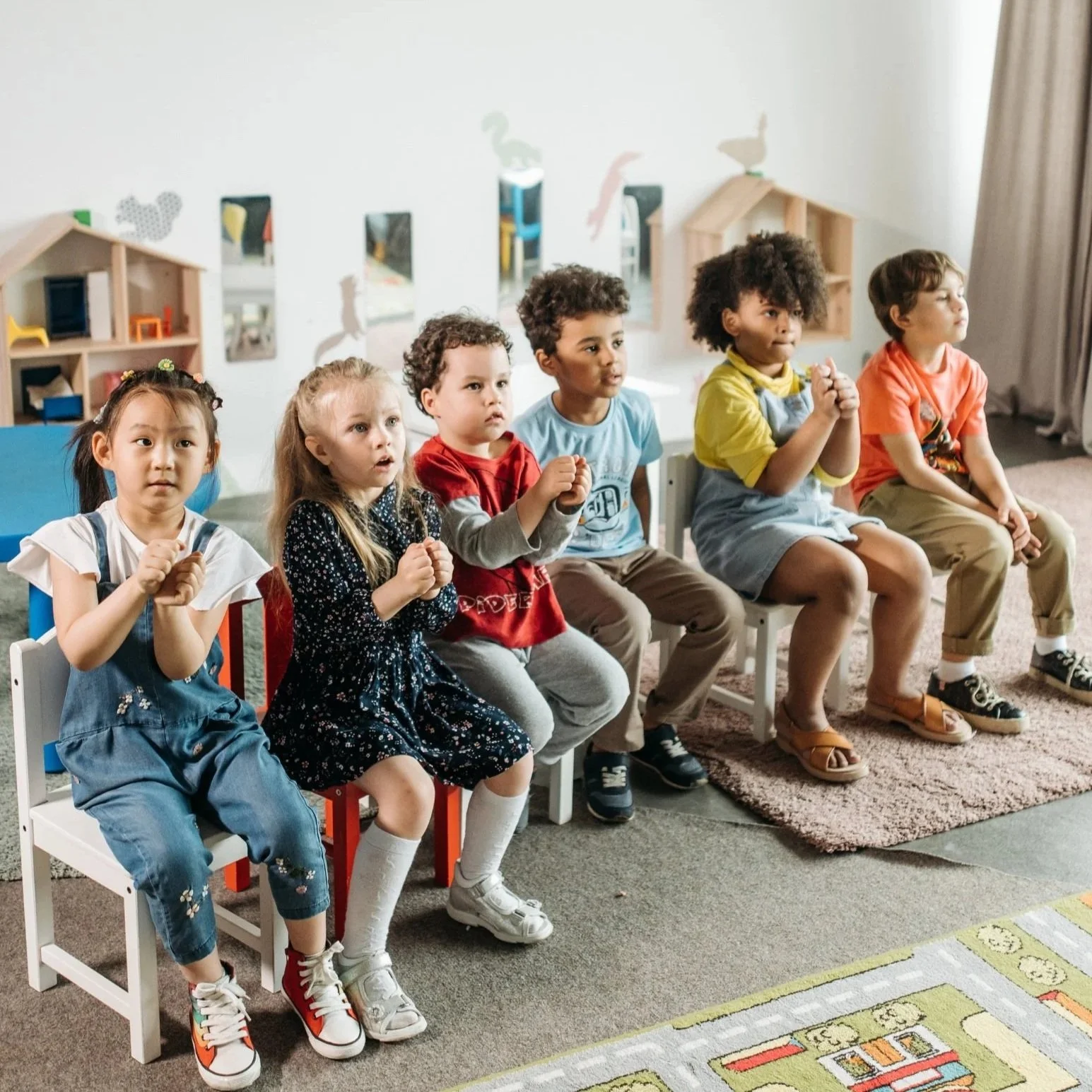
Children with sensory issues may struggle with textures, loud noises, crowds, food preferences, etc. These sensitivities are often seen in children with neurodevelopmental disorders such as autism spectrum disorder (ASD) or attention deficit hyperactivity disorder (ADHD), but they can also appear in otherwise typically developing children. Understanding and supporting a child’s unique sensory needs can help them feel more comfortable and engaged in their environment.
Explore our recommended Books:
REFERENCES
Abramson, A. (2021, November 1). Cultivating empathy. American Psychological Association. Retrieved February 19, 2026, from https://www.apa.org/monitor/2021/11/feature-cultivating-empathy
Malik, F., & Marwaha, R. (2023, April 23). Cognitive development. StatPearls - NCBI Bookshelf. https://www.ncbi.nlm.nih.gov/books/NBK537095/
Vilella, R. C., & Reddivari, A. K. R. (2023, November 5). Empathy. StatPearls - NCBI Bookshelf. https://www.ncbi.nlm.nih.gov/books/NBK549810/