

Pediatric Mental Health Blog
© 2026 COPYRIGHT NOTICE: All original resources, content, and materials produced and displayed on this website are the intellectual property of Child Therapy Guide. These resources are protected by copyright laws and are intended for personal, non-commercial use. Unauthorized reproduction, distribution, or any other unauthorized use of the content without explicit permission from Child Therapy Guide is strictly prohibited. Users are encouraged to enjoy and utilize the resources responsibly, respecting the copyright and intellectual property rights associated with the content. For any inquiries or requests regarding the use of our materials, please contact us through our contact form.
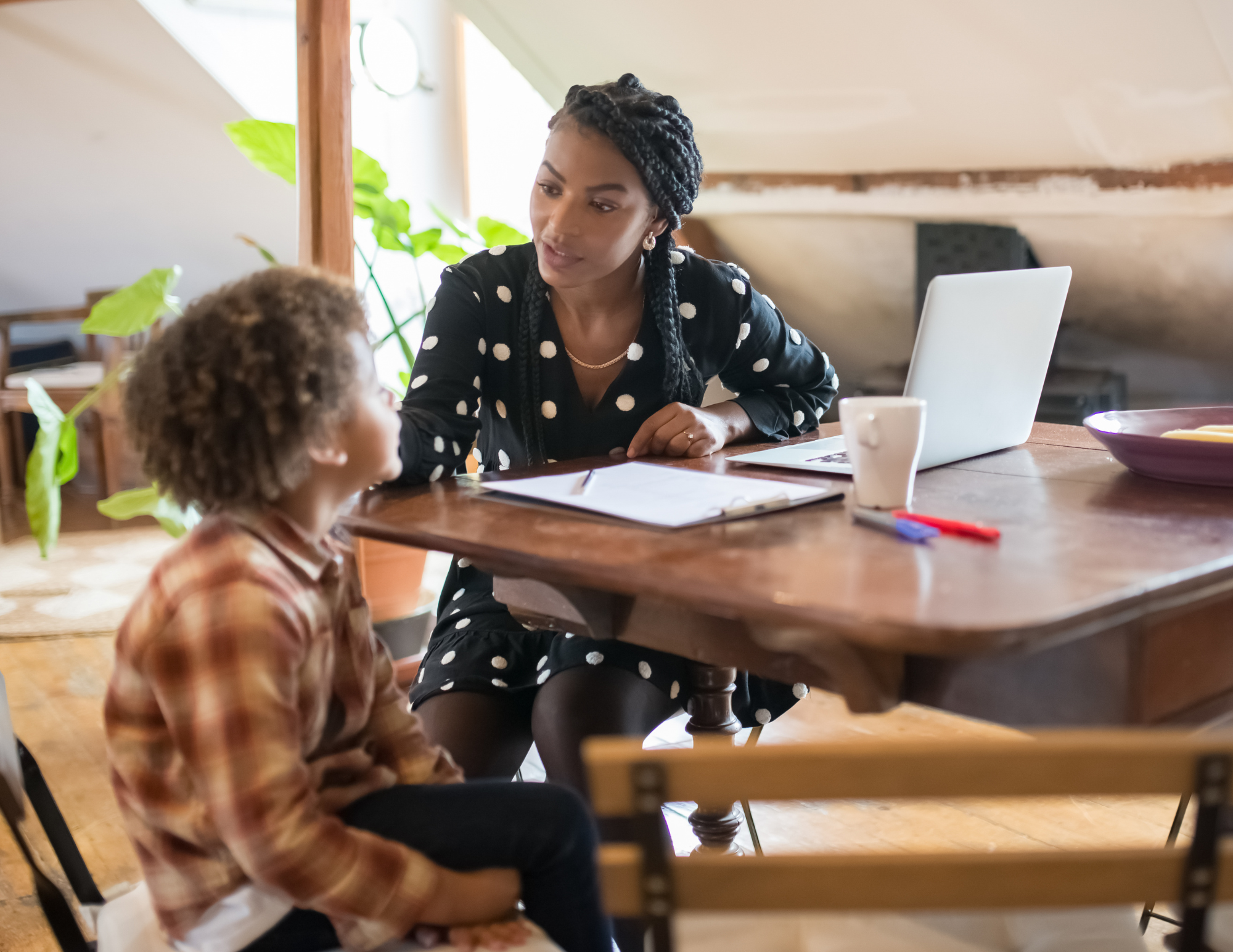
How To: Reciprocal Conversation with Kids
Reciprocal conversation is an active exchange of thoughts, ideas, curiosity, and attention. It’s a valuable skill and we can help kids cultivate it through engaged, thoughtful discourse.
Check out our FREE printable resources!

Would You Rather…?
“Would you rather…?” questions encourage kids to consider and compare outcomes while learning to articulate personal preferences. The exploration of likes, dislikes, passions, and outcomes builds confidence and supports emotional development.
Read on for access to our free printable resources that promote meaningful conversation!

Worksheets for Child Therapy: Activities
Our free printable therapeutic activities provide creative outlets for kids to explore their emotions, understand their behaviors, and develop essential coping skills.

Teaching Togetherness
Perspective-taking takes practice, but it is essential for helping kids develop empathy, emotional intelligence, and prosocial skills. The value of being able to decode the motives of others is the ability lead with compassion, resilience, and logical reasoning. Read on to learn more about perspective-taking through storytelling!
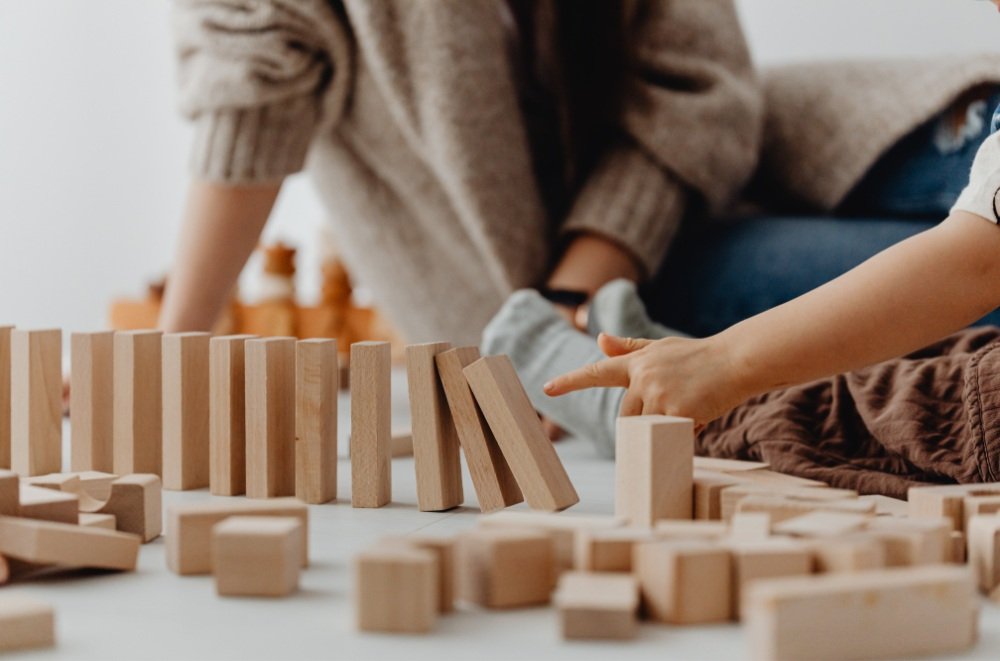
Play Therapy: Cooperative Play
Cooperative play is a form of play that requires working together towards a common goal. It often involves teamwork, communication, and problem-solving skills. This type of play encourages collaboration and helps kids develop social skills as they learn to negotiate roles, share ideas, and support one another through collective effort.
In play therapy, the act of working together in a safe environment allows children to develop a sense of belonging and confidence, which can enhance emotional resilience and overall well-being.
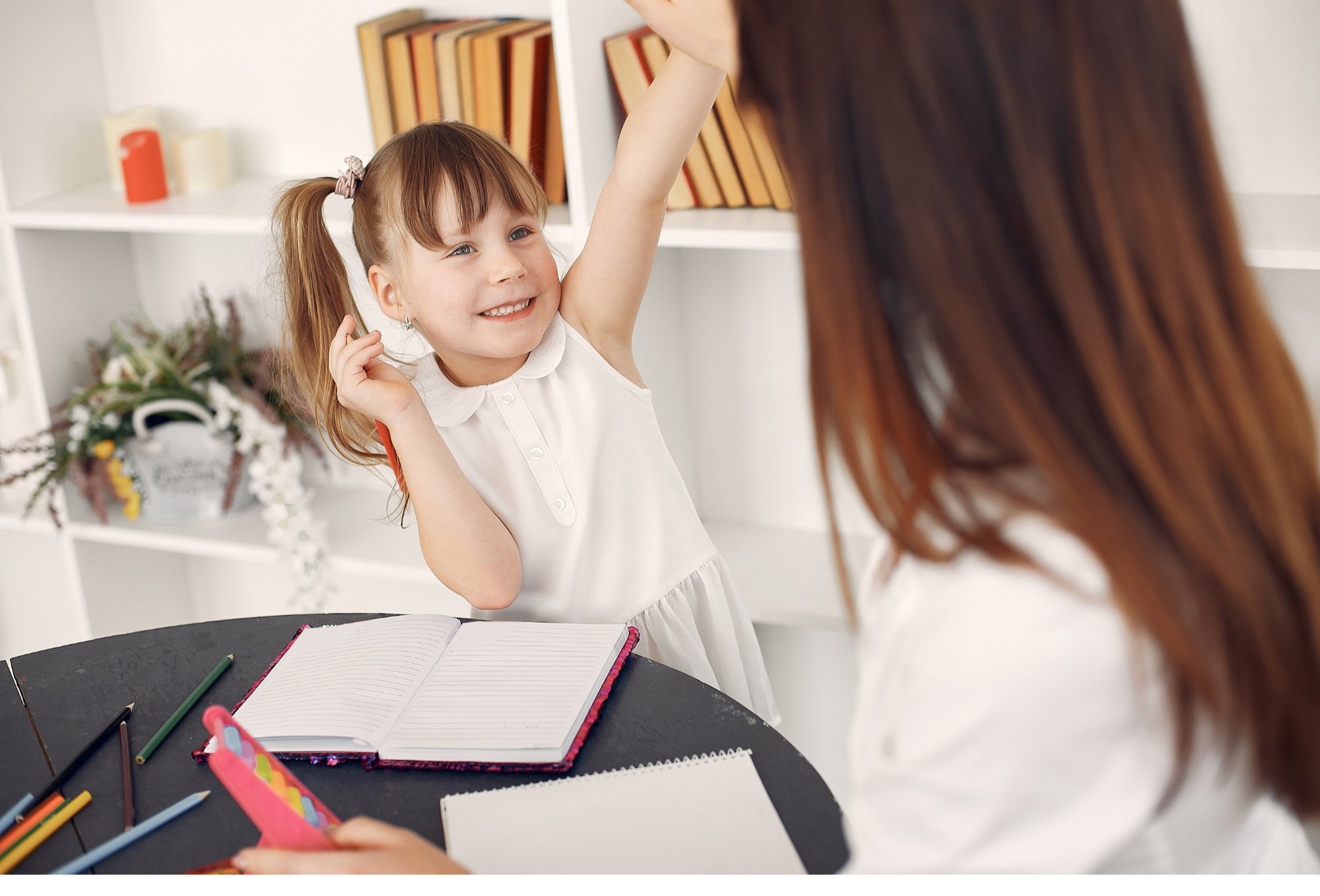
Child Therapist Tips: Building Rapport
Rapport is the foundation of effective therapy because it represents trust, respect, and positive regard. When a therapist thoughtfully establishes this connection, a child is more likely to open up, express emotions, and securely engage in the therapeutic process to facilitate healing and growth.