
Pediatric Mental Health Blog
© 2026 COPYRIGHT NOTICE: All original resources, content, and materials produced and displayed on this website are the intellectual property of Child Therapy Guide. These resources are protected by copyright laws and are intended for personal, non-commercial use. Unauthorized reproduction, distribution, or any other unauthorized use of the content without explicit permission from Child Therapy Guide is strictly prohibited. Users are encouraged to enjoy and utilize the resources responsibly, respecting the copyright and intellectual property rights associated with the content. For any inquiries or requests regarding the use of our materials, please contact us through our contact form.
Child Therapy: Games
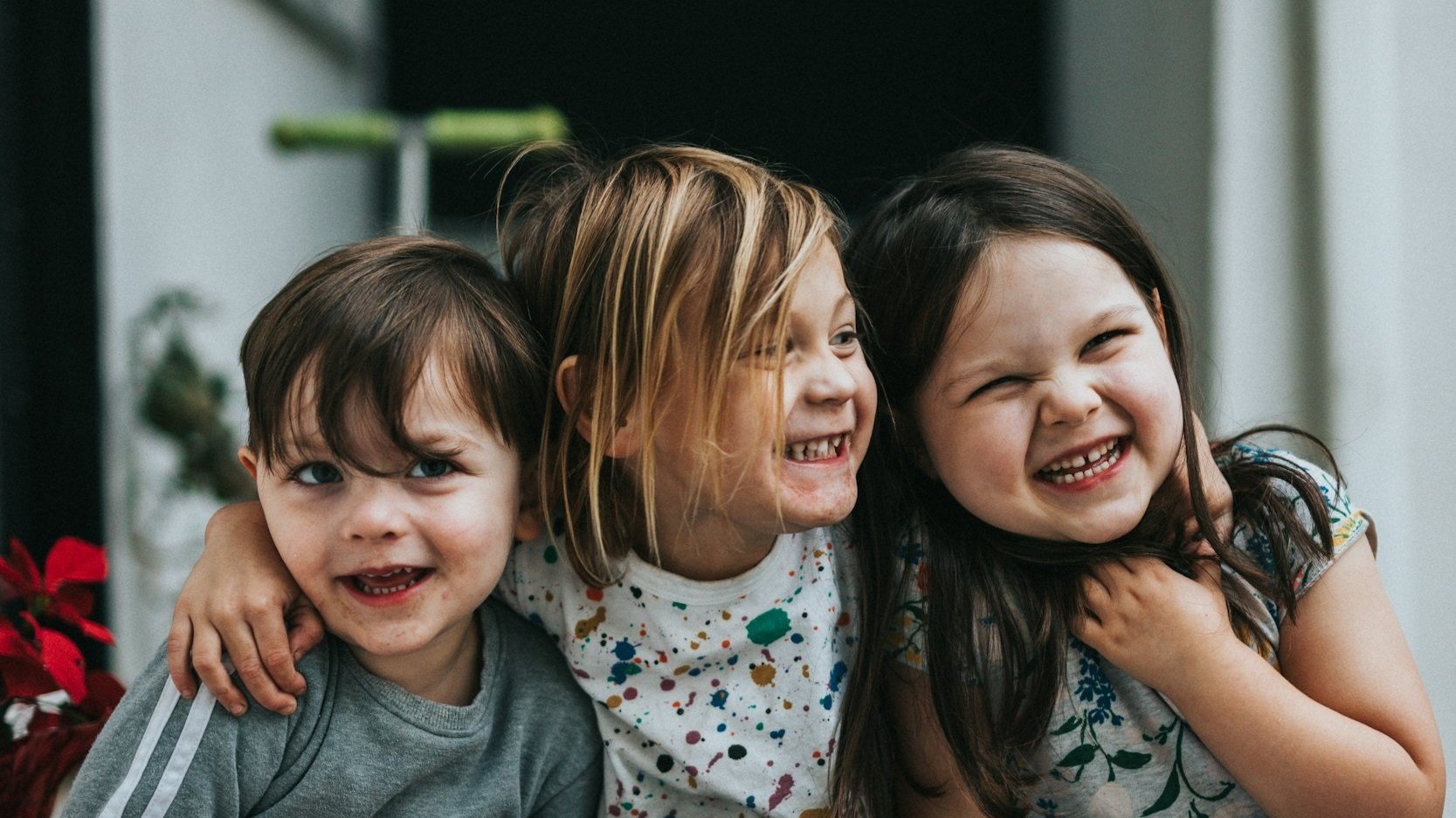
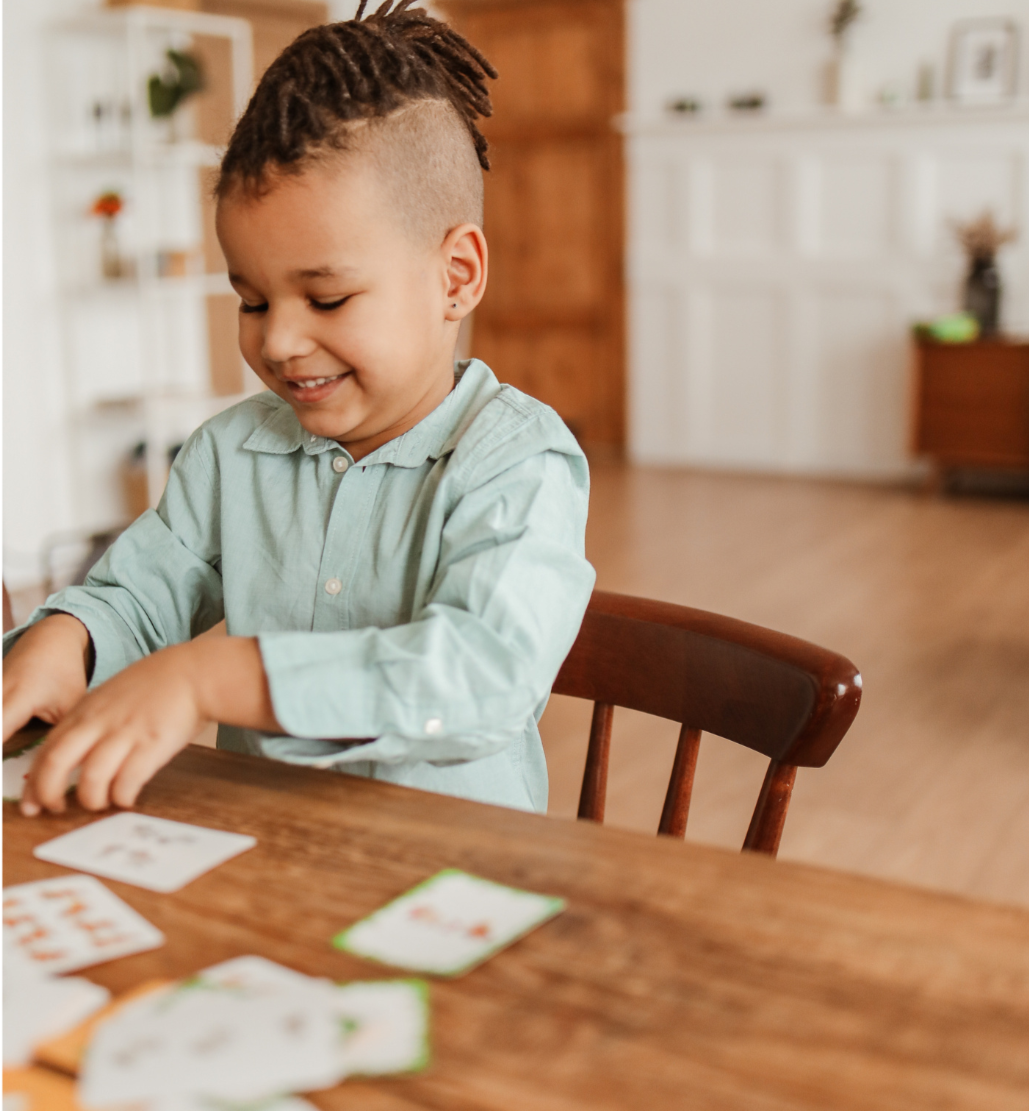
In counseling, games are experiential tools that build rapport and contribute to effective therapeutic outcomes. Cooperative games help kids learn the significance of collaboration, integrity, and respect.
Read on for tips on how to use games to foster positive sportsmanship through a social-emotional learning lens!

How To: Reciprocal Conversation with Kids
Reciprocal conversation is an active exchange of thoughts, ideas, curiosity, and attention. It’s a valuable skill and we can help kids cultivate it through engaged, thoughtful discourse.
Check out our FREE printable resources!
Therapeutic Art Activities for Kids
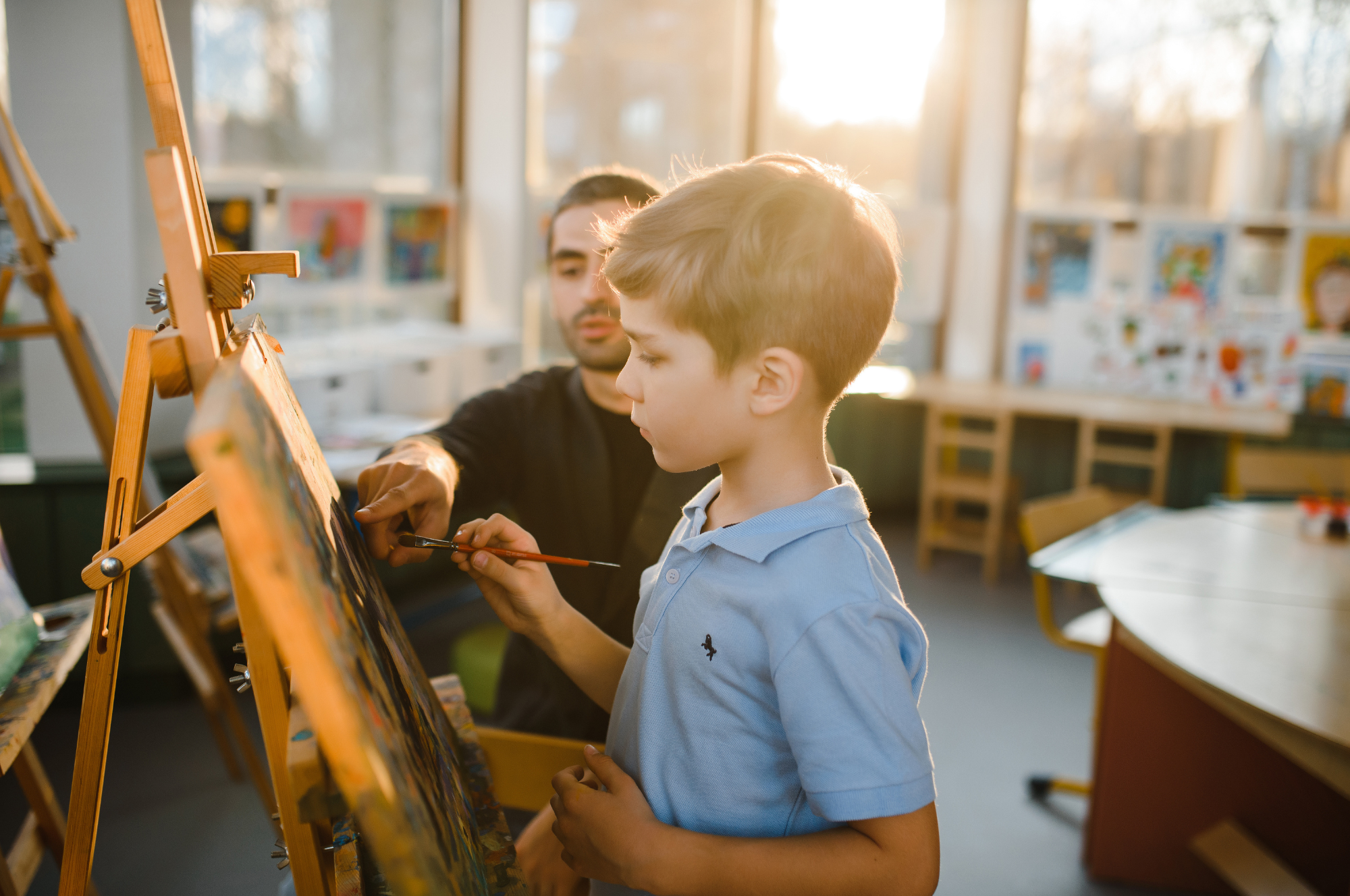
Art therapy supports emotional and cognitive development through creative expression. Children who regularly engage in artistic activities have access to a non-verbal avenue of self-discovery and communication. Learn more and check out our free printable therapeutic art activities!

Frequently Asked Questions About Child Therapy
When it’s time to seek therapy for your child, the options can seem endless. Read on for answers to 6 common questions about child therapy!
Art Therapy: Emotion Storms
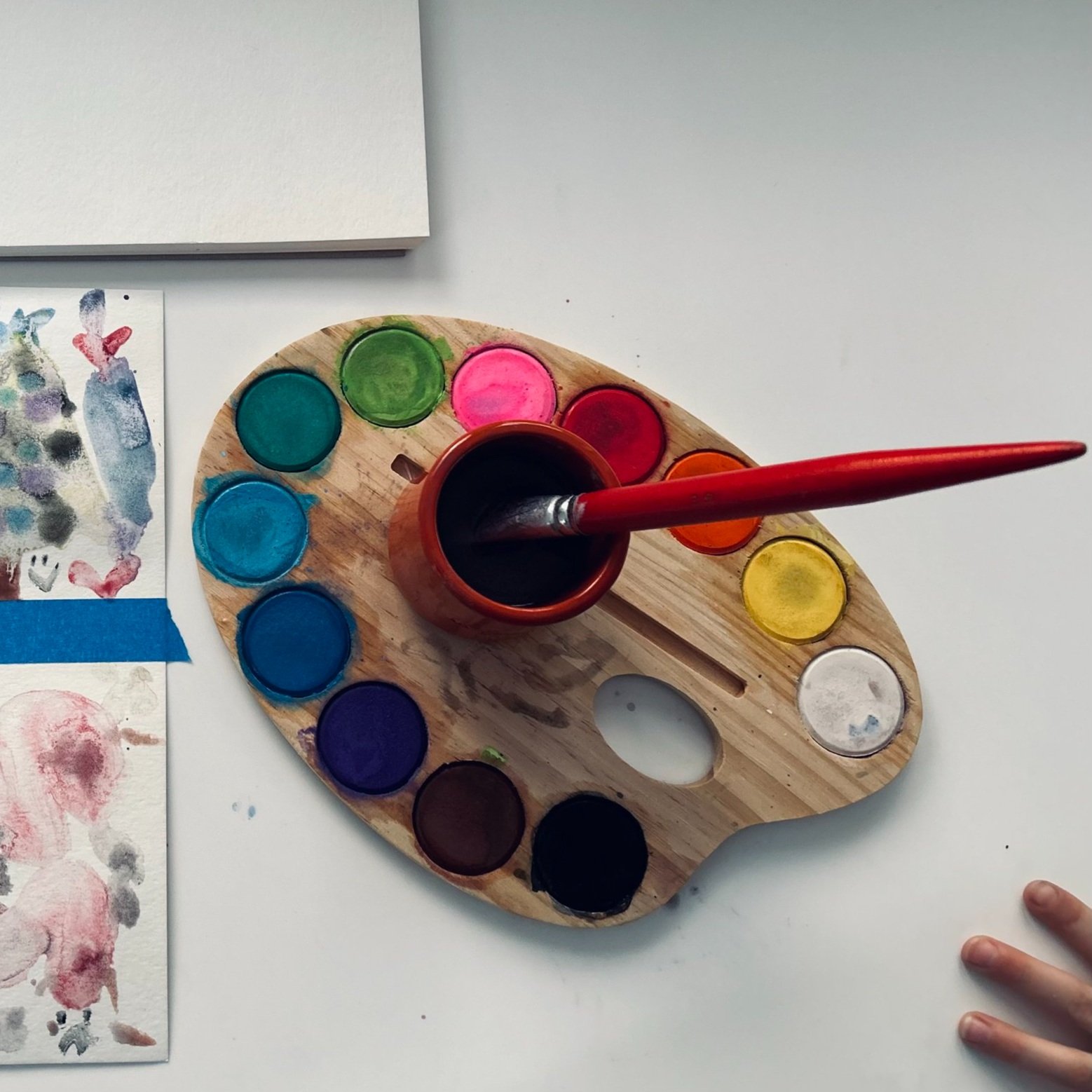
Looking at a storm through a window allows us to see what’s happening while staying safe inside. In a similar way, this therapeutic art activity gives kids an opportunity to conceptualize, visualize, and explore different emotions from a safe distance. Read on to learn how to do it!
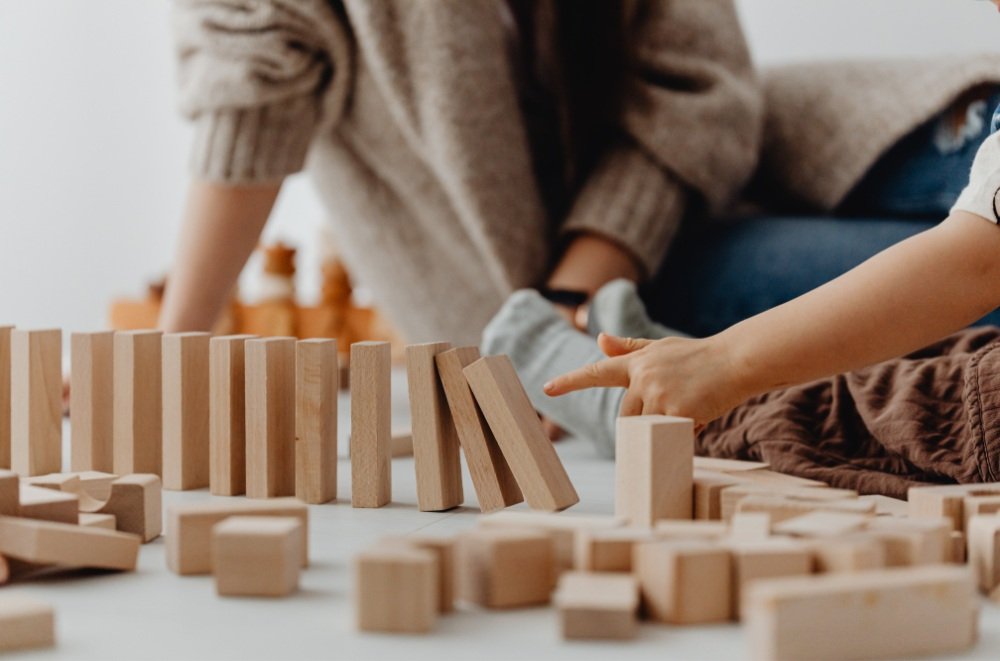
Play Therapy: Cooperative Play
Cooperative play is a form of play that requires working together towards a common goal. It often involves teamwork, communication, and problem-solving skills. This type of play encourages collaboration and helps kids develop social skills as they learn to negotiate roles, share ideas, and support one another through collective effort.
In play therapy, the act of working together in a safe environment allows children to develop a sense of belonging and confidence, which can enhance emotional resilience and overall well-being.
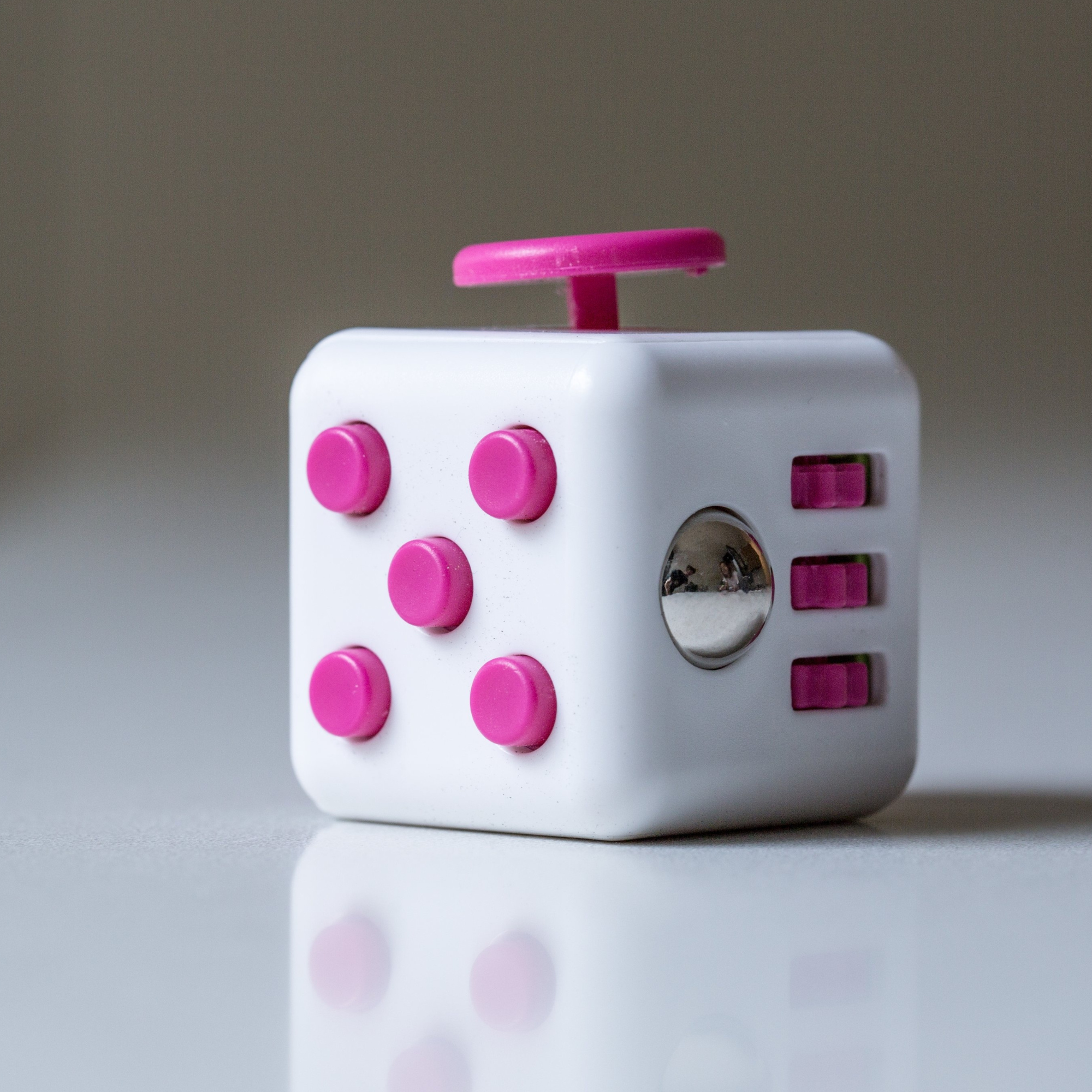
Best Fidget Toys for Kids
Fidget toys can relieve stress, reduce anxiety, and channel excess energy to support productive habits. Fidget toys are particularly beneficial for children (or adults!) with neurodivergent brains (attention-deficit/hyperactivity disorder (ADHD), autism spectrum disorder, sensory processing disorders, etc.) because they provide a physical sensory outlet for suppressed energy.
We’ve rounded up a few of our favorite fidget toys that help kids engage in therapy (also great for long commutes, waiting rooms, or quiet time)!
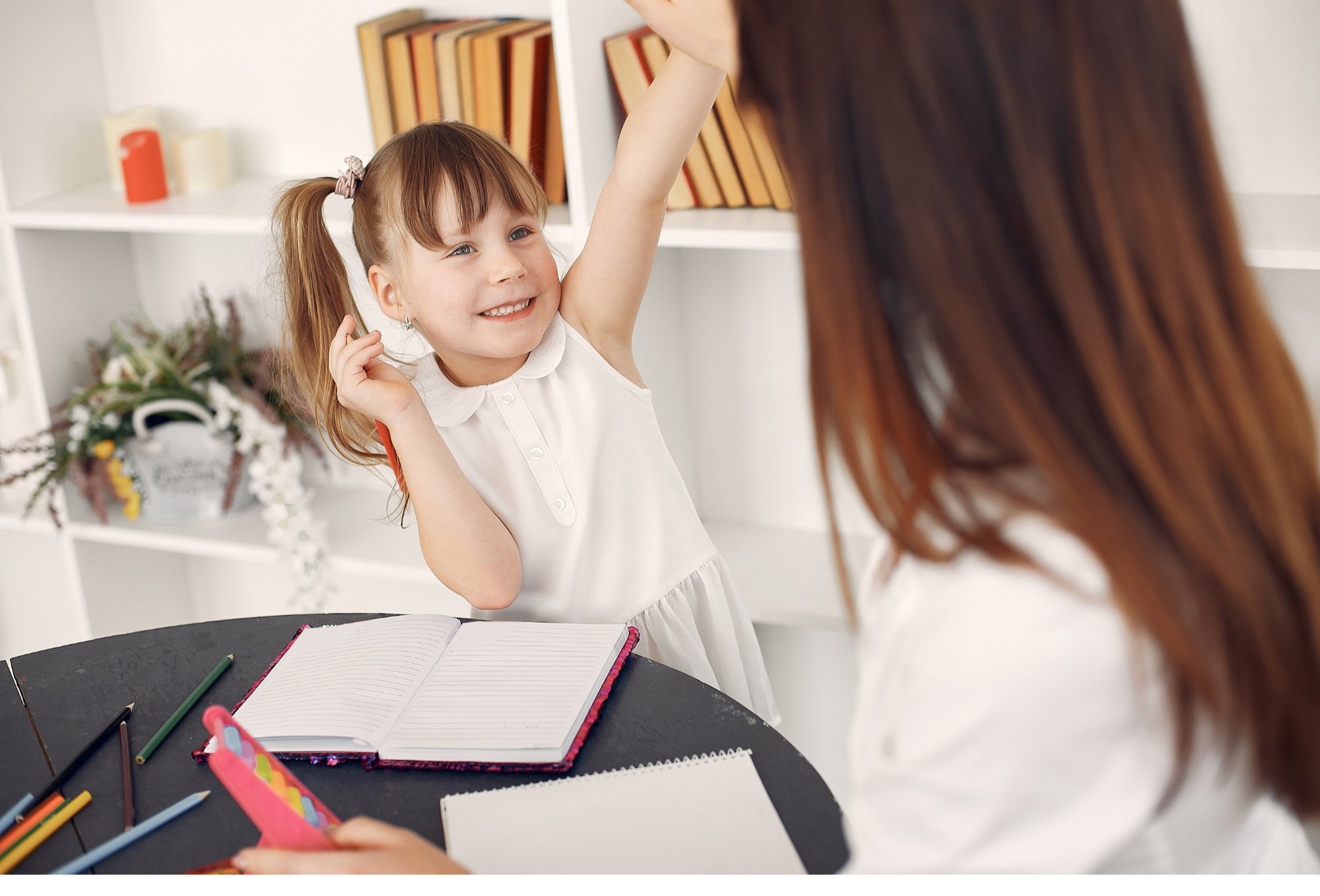
Child Therapist Tips: Building Rapport
Rapport is the foundation of effective therapy because it represents trust, respect, and positive regard. When a therapist thoughtfully establishes this connection, a child is more likely to open up, express emotions, and securely engage in the therapeutic process to facilitate healing and growth.

Behavior Management Tools & Tips
Every kid is different and we have to tailor behavior management plans to their individual needs and abilities. Read on for practical guidelines for a balanced approach to behavior management.

Bibliotherapy for Anxiety
One of the best ways to tame childhood anxiety is to demystify it. Explore the feelings, triggers, behaviors, and outcomes of anxiety through targeted story books and conversation, or bibliotherapy. Learn more and explore our recommended children’s books about anxiety.

3 Empathy-Building Activities for Kids
By regularly practicing empathy, children learn to recognize unique perspectives and exercise compassion for themselves and others. Empathy allows kids to navigate difficult situations, support others (and themselves) in need, and recover from setbacks. Empathy is a key component of resilience and a growth mindset—learn how to nurture it through 3 simple activities!
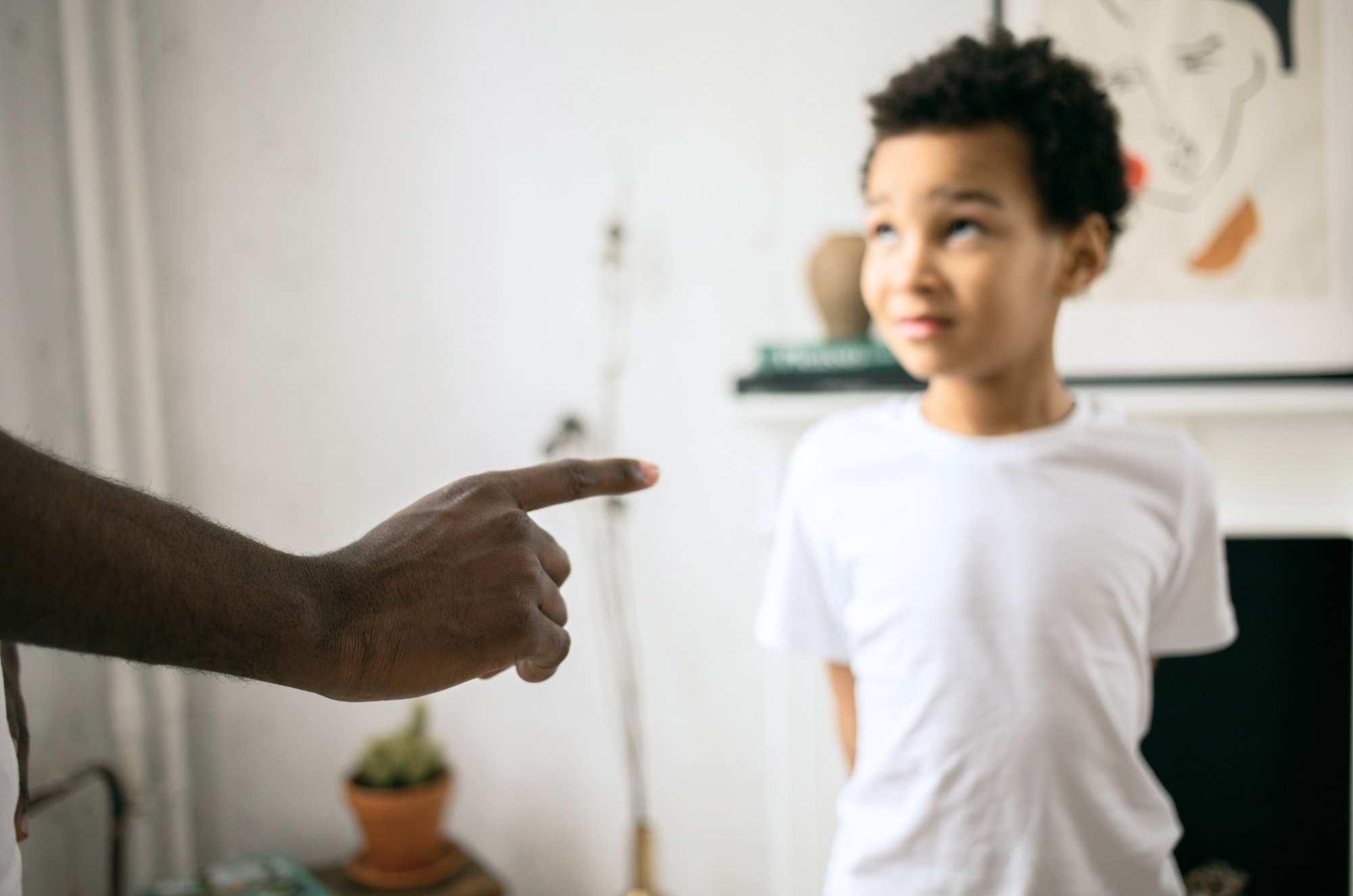
Parenting Styles: Explained
Parenting styles are often categorized into four main types based on the work of psychologist Diana Baumrind: authoritative, authoritarian, permissive, and disengaged. These styles reflect different approaches to parenting and have varying impacts on a child's development. Read on to learn about the different styles and print our free Parenting Styles Infographic.
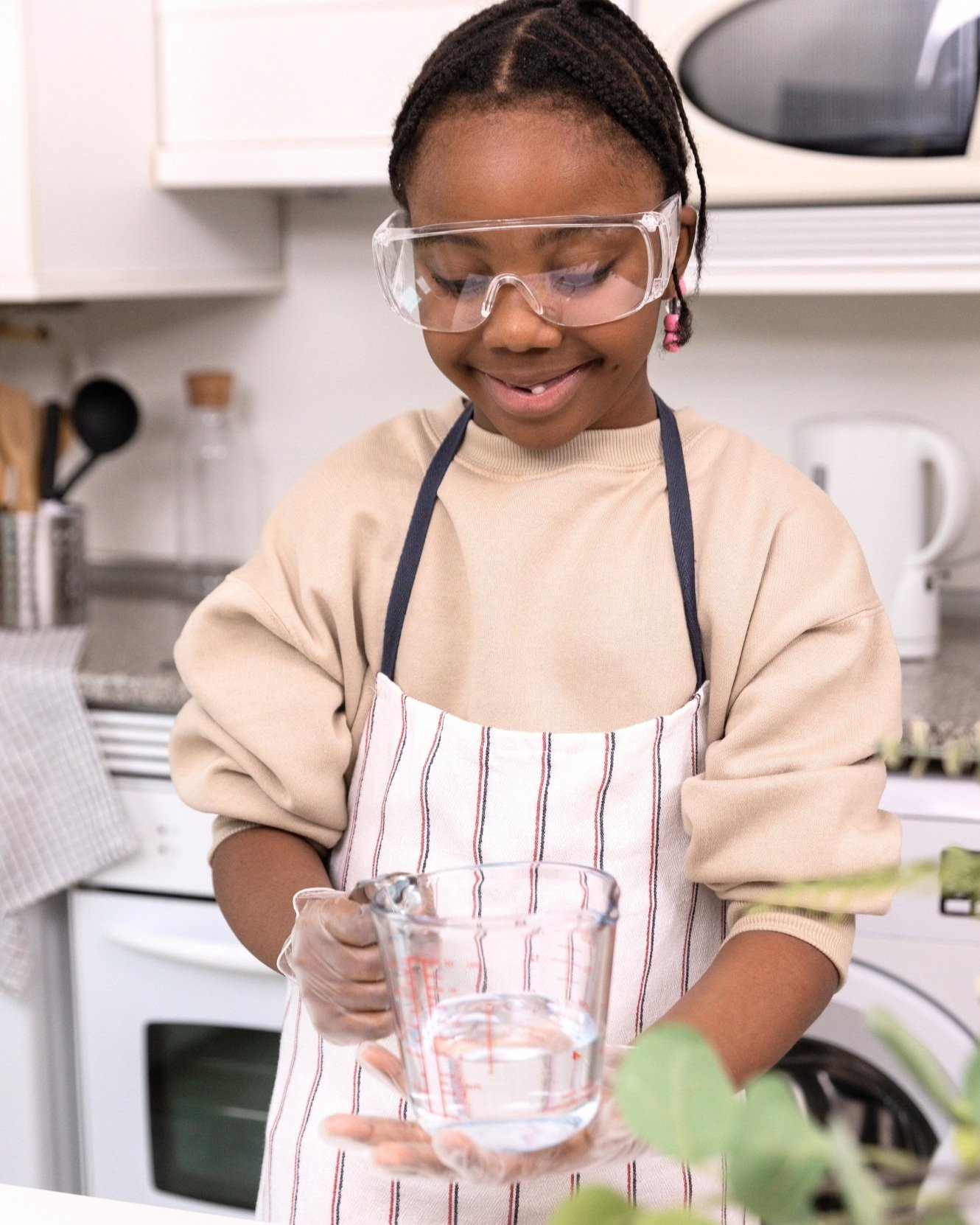
Oobleck and Transformative Nature
Oobleck is a fun and easy demonstration of a non-Newtonian fluid. Non-Newtonian fluids are kind of like us—their behavior is variable depending on stress! This hands-on sensorial experiment can help kids understand that stress (anxiety, frustration, disappointment, failure, anger) can change our behavior.
Read on to learn how to make Oobleck and how to talk to kids about transformative nature.

The Value of Emotional Literacy
Emotional literacy is an important piece of the holistic development of children. By deliberately modeling and exploring emotional literacy, we prepare kids to flourish through resiliency, empathy, and connection.

How to Talk with Teenagers
Effective communication during adolescence builds mutual trust, understanding, and respect. This kind of communication allows parents to better recognize cues and attend to the needs of their teenager. Learn more about parent-teen communication and checkout our free conversation starters for teens!

Reinforcement: Positive & Negative
Both positive and negative reinforcement can be effective ways to shape and encourage favorable behavior, but understanding how to use reinforcement to support healthy growth and development is key! Read on to learn about what reinforcement is, common misconceptions about reinforcement, and how to use reinforcement at home or in the classroom!

Quiet Coping Skills
Quiet Coping Skills are subtle but effective ways to privately regulate emotions without attracting scrutiny from others. These techniques aim to interrupt overwhelming feelings by focusing on specific physical tasks and simple mantras.
Childhood Perfectionism
A perfectionist aims for the ideal version of a pursuit and has disproportionate feelings of disappointment if they fail to reach their goal. Perfectionism can have many roots, but it is generally tied to a person’s perception of their self-worth.
What is Play Therapy?
Play therapy encourages imagination, self-expression, and exploration through specially selected toys and materials. It offers a transformative pathway for children to explore their emotions, navigate challenges, and find healing through the power of play.

SEL Writing Prompts for Kids
Guided by Social and Emotional Learning (SEL) outcomes, our free writing prompts encourage kids to exercise written communication to promote the development of introspection, self-confidence, and creativity.