
Pediatric Mental Health Blog
© 2026 COPYRIGHT NOTICE: All original resources, content, and materials produced and displayed on this website are the intellectual property of Child Therapy Guide. These resources are protected by copyright laws and are intended for personal, non-commercial use. Unauthorized reproduction, distribution, or any other unauthorized use of the content without explicit permission from Child Therapy Guide is strictly prohibited. Users are encouraged to enjoy and utilize the resources responsibly, respecting the copyright and intellectual property rights associated with the content. For any inquiries or requests regarding the use of our materials, please contact us through our contact form.
Mindful Activities for Kids
Mindfulness practice can cultivate focus, emotional regulation, and resilience. Our collection of free printable mindfulness worksheets and recommended books about mindfulness provide a variety of engaging ways to help kids practice and internalize mindfulness!
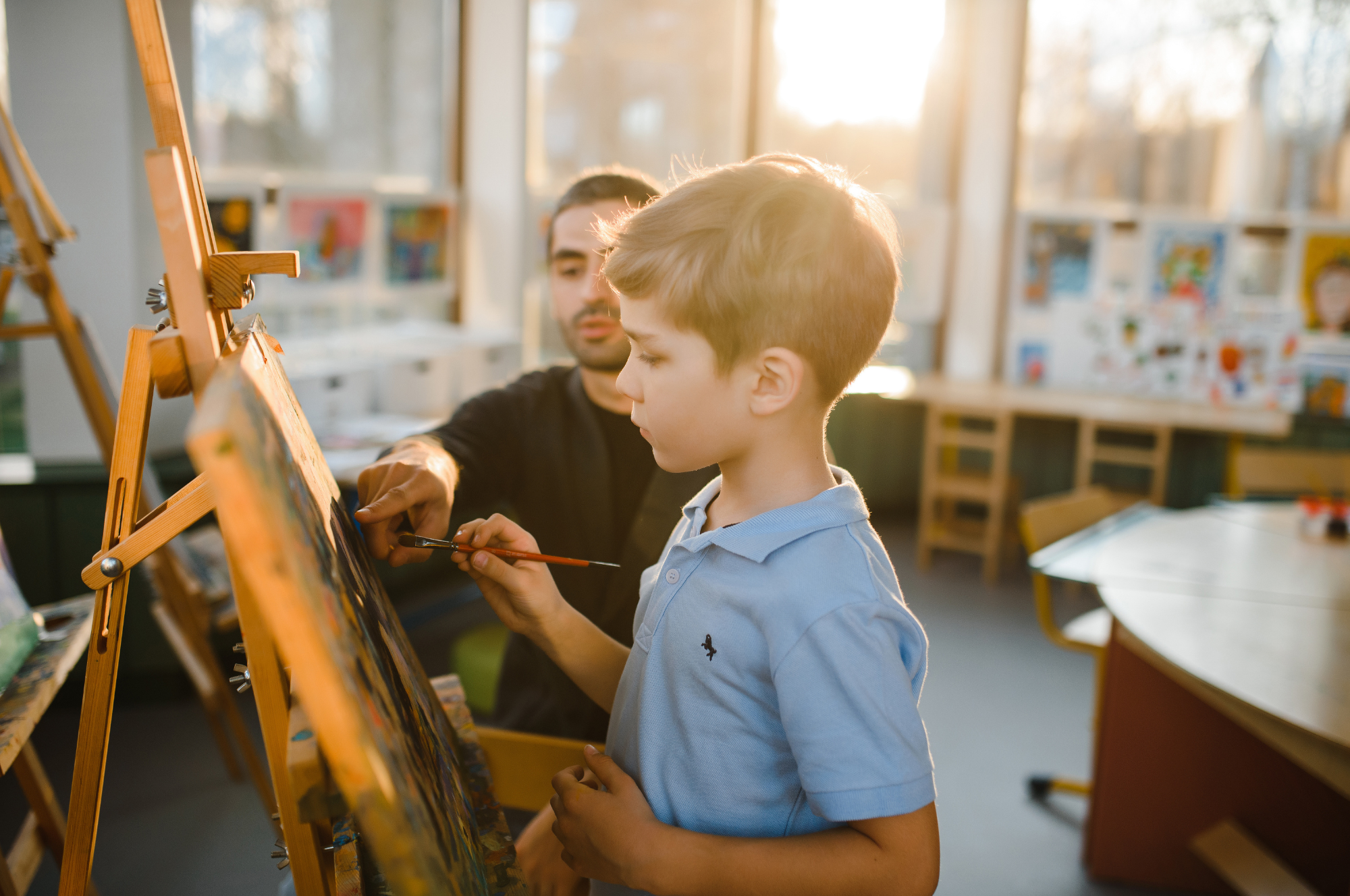
Therapeutic Art Activities for Kids
Art therapy supports emotional and cognitive development through creative expression. Children who regularly engage in artistic activities have access to a non-verbal avenue of self-discovery and communication. Learn more and check out our free printable therapeutic art activities!
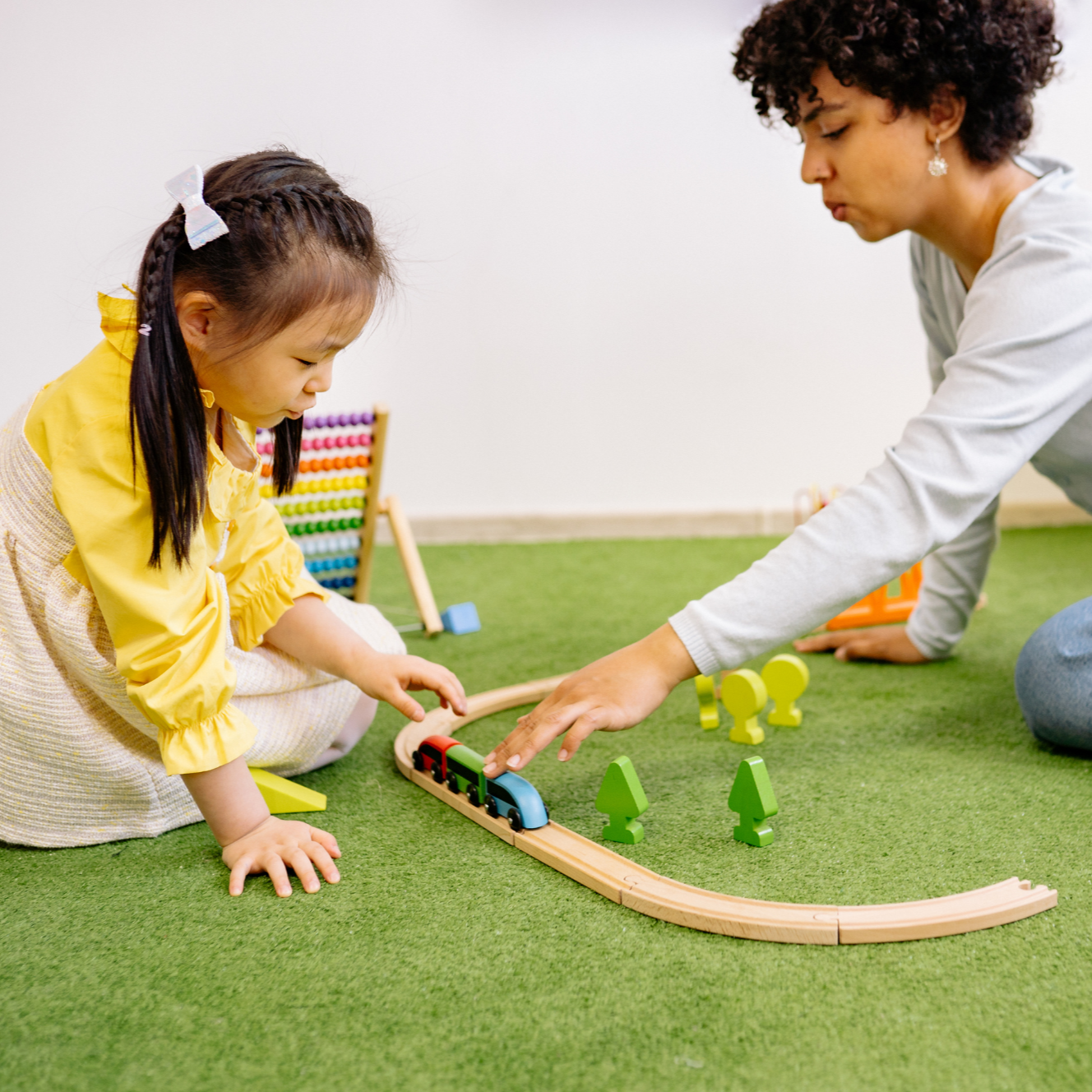
Five Kinds of Therapeutic Play
Play is a fundamental aspect of child development that nurtures imagination and prosocial skills. Through play, kids can explore their interests, experiment with ideas, and practice navigating curated scenarios.
Play, in all its forms, is a vital component of a holistic approach to learning and development.
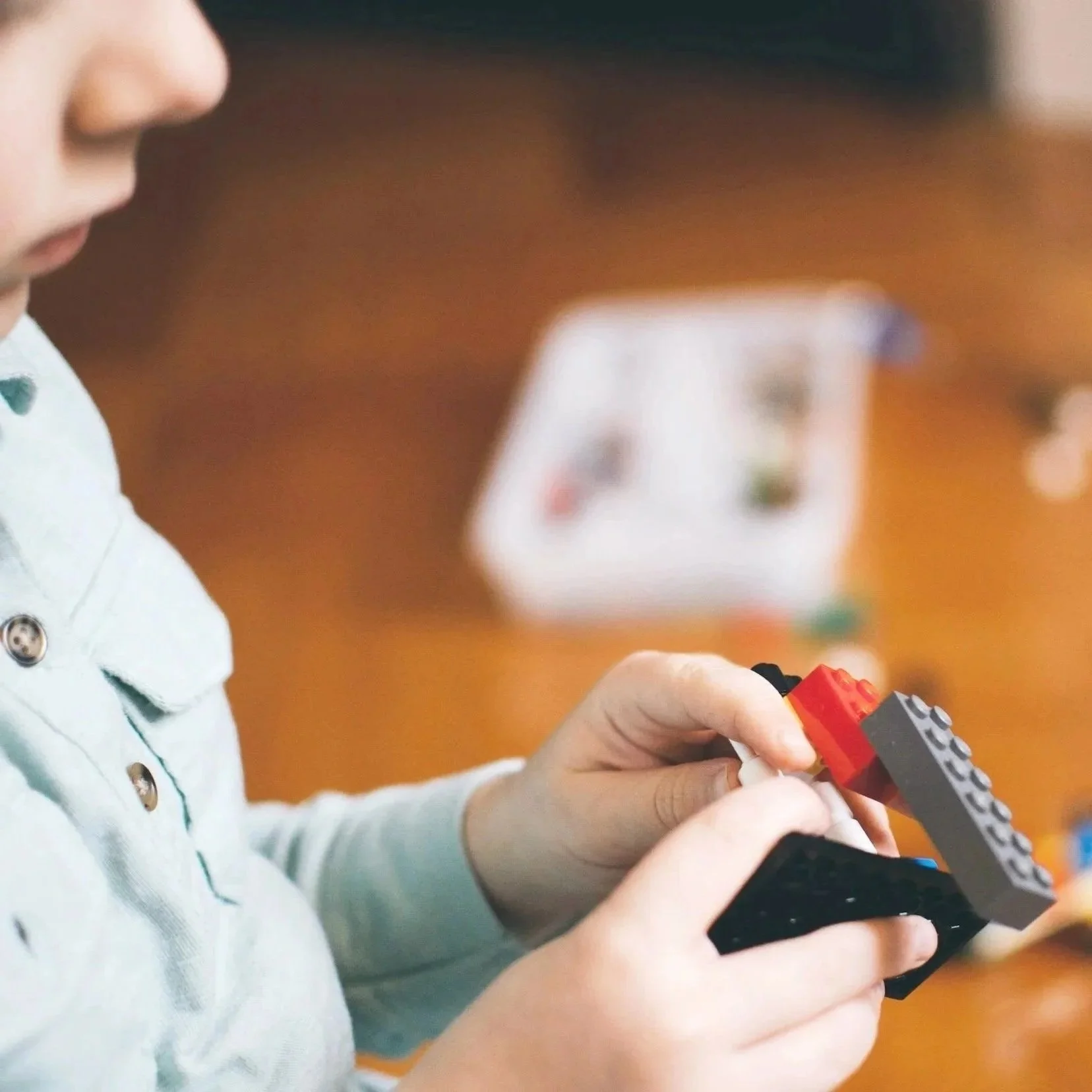
Therapeutic Activity: Build-It Prompts
Build-It Prompts are a hands-on way to engage kids in introspective thinking. It’s simple. Grab dice, some blocks (Lego or Play-Doh work well!), and our free printable activity guide. Roll the dice, read the prompt, and build!
Child Therapy: 6 Types
Understanding what type of therapy is best for your child can be overwhelming. This comprehensible post breaks down 6 common modalities used by child therapists: play therapy, family therapy, dialectical behavioral therapy (DBT), acceptance and commitment therapy (ACT), parent-child interaction therapy (PCIT), and cognitive behavioral therapy (CBT). Once you understand what might be the best fit for you child, you can search for an appropriate licensed child therapist near you!

Teaching Kids Cause And Effect
Exploring cause and effect with kids helps them to understand the physical, social, emotional, and functional consequences of behaviors. This reflection on behaviors allows them to appropriately repair negative or unintended consequences, and refine future behaviors to seek positive outcomes.
Read on to learn how to talk to kids about Cause & Effect!

Infographics About Child Therapy
Our free printable infographics make complex concepts about emotional and behavioral health more accessible so that caregivers, clinicians, and educators are better able to understand and engage with the therapeutic process.
We aim to empower the community through user-friendly psycho-education, skill building, and practical application—because a deeper understanding of mental and behavioral health increases awareness, reduces stigma, and encourages early intervention.

Navigating Emotional Dysregulation in Kids
Emotional regulation is often equated with calmness, but that’s not the whole picture. Rather, emotional regulation is effective management of all emotions. Anger, sadness, frustration, jealousy, grief, excitement, shock, elation, fear are not generally “calm” emotions, but a person can experience them from a place of governance.
Read on to learn more, and explore our free printable resources!

8 Mindfulness Worksheets for Kids
Mindfulness practice offers a guided pathway for children to develop a sense of calm, self-awareness, and emotional regulation. Our collection of free printable PDF mindfulness worksheets provides a variety of engaging activities designed to help kids explore presence of mind, manage stress, and cultivate emotional well-being.
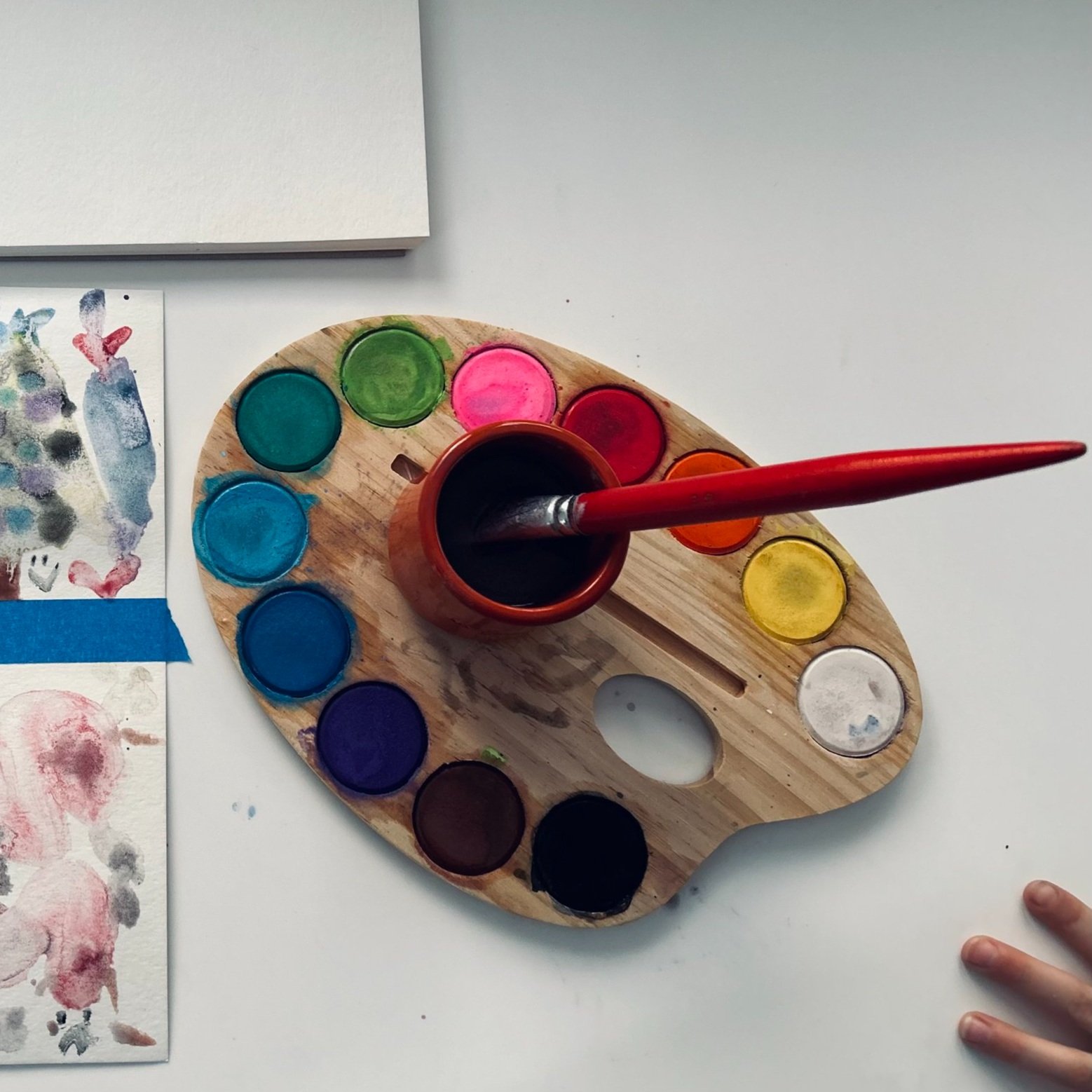
Art Therapy: Emotion Storms
Looking at a storm through a window allows us to see what’s happening while staying safe inside. In a similar way, this therapeutic art activity gives kids an opportunity to conceptualize, visualize, and explore different emotions from a safe distance. Read on to learn how to do it!

Children’s Books About Grief
Grief and loss are complex emotions that children (and adults) often struggle to comprehend and express. Picture books can serve as gentle and compassionate guides to help kids navigate the emotions and challenges associated with losing a loved one or going through a hardship. Read on for our recommended children’s books about grief.

Behavior Management Tools & Tips
Every kid is different and we have to tailor behavior management plans to their individual needs and abilities. Read on for practical guidelines for a balanced approach to behavior management.
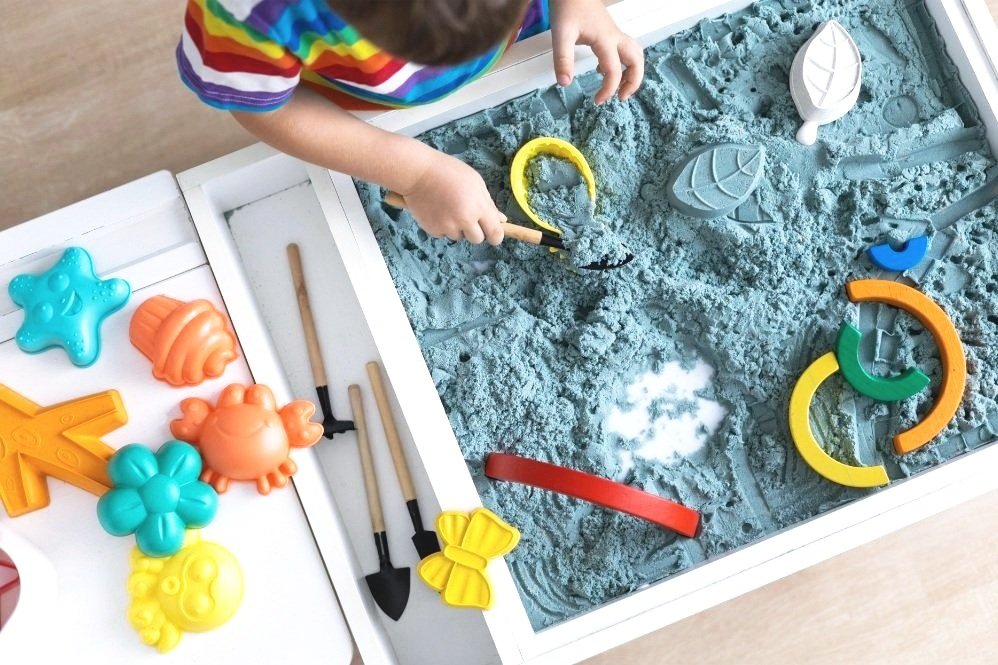
10 Hands-On Therapeutic Activities for Kids
From a therapeutic perspective, interventions that utilize hand-on learning techniques can lead to increased interest, motivation, engagement, and progress! Here we have collected 10 of our favorite hands-on therapeutic activities to help kids develop emotional literacy, build self-esteem, practice coping skills, manage behavior, and recognize values.
Sensory Processing Disorders
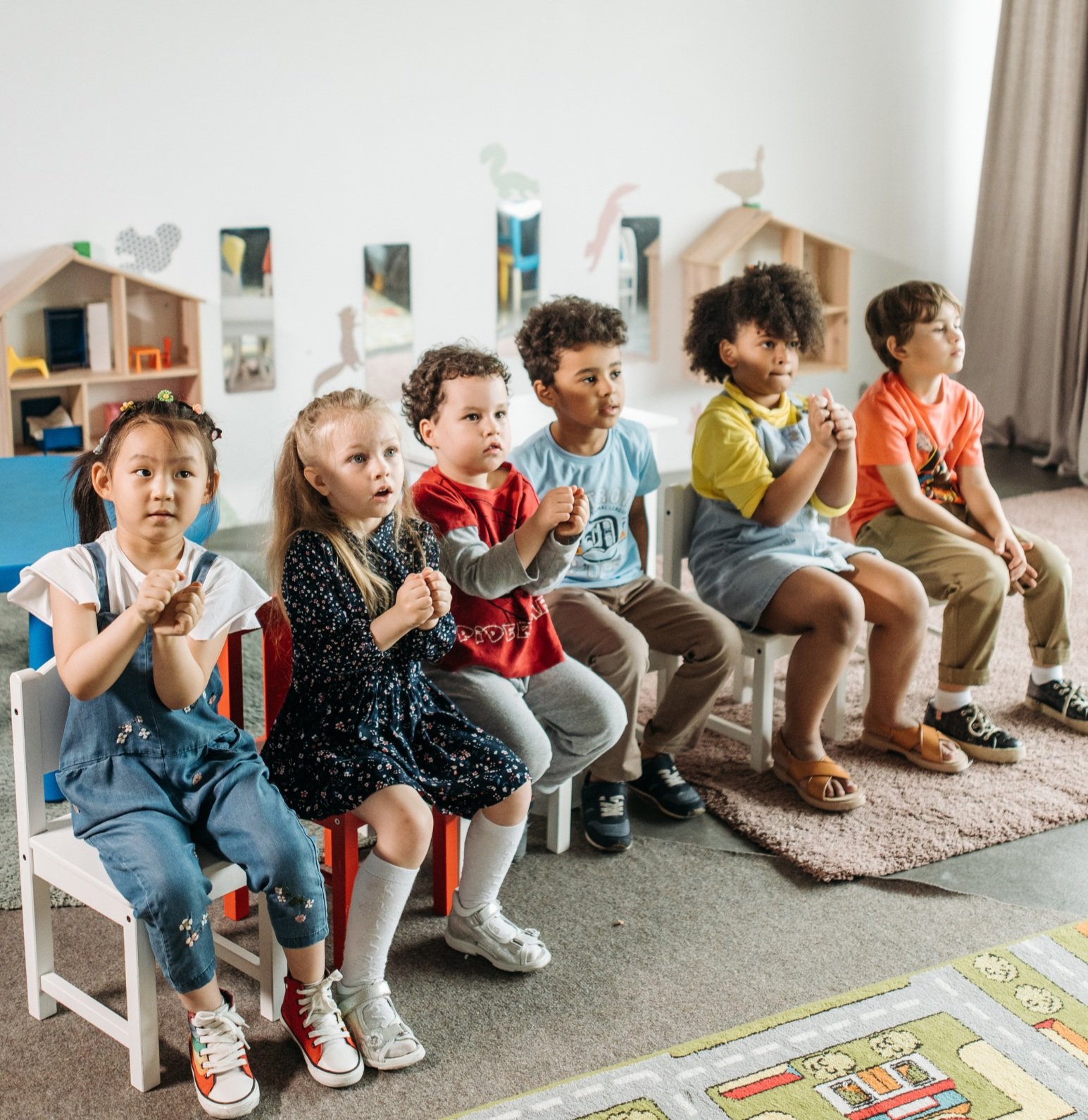
Children with sensory issues may struggle with textures, loud noises, crowds, food preferences, etc. These sensitivities are often seen in children with neurodevelopmental disorders such as autism spectrum disorder (ASD) or attention deficit hyperactivity disorder (ADHD), but they can also appear in otherwise typically developing children. Understanding and supporting a child’s unique sensory needs can help them feel more comfortable and engaged in their environment. Read on for more information and free printable resources.
Alphabet Feelings
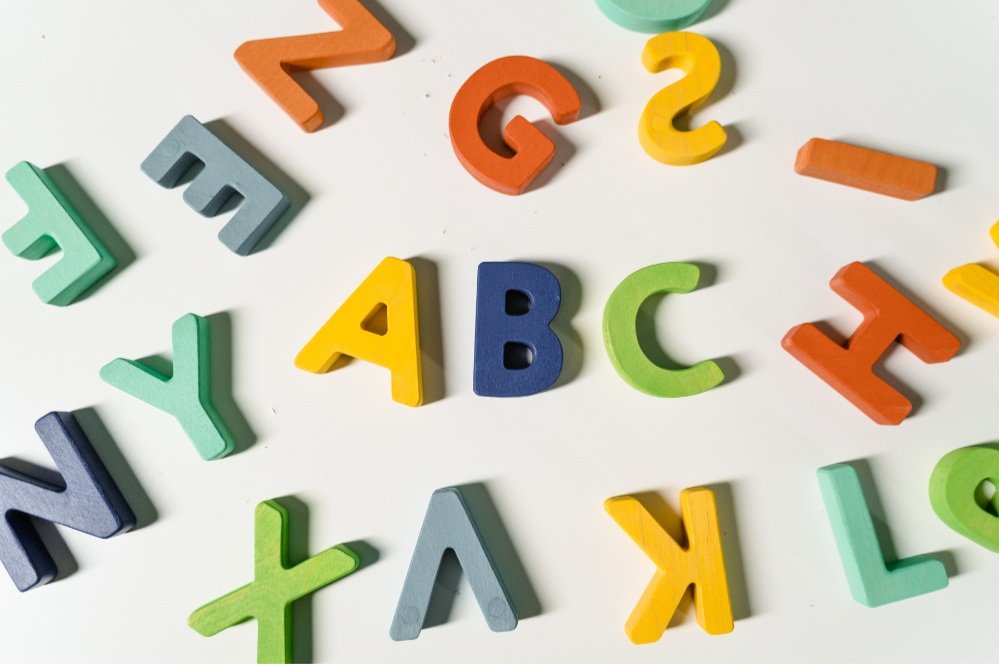
"Alphabet Feelings" provide a framework for adults to help kids to systematically explore different emotions, scenarios, and coping skills. Print this FREE resource and check out our other recommended ways to exercise social and emotional learning.

Bibliotherapy for Anxiety
One of the best ways to tame childhood anxiety is to demystify it. Explore the feelings, triggers, behaviors, and outcomes of anxiety through targeted story books and conversation, or bibliotherapy. Learn more and explore our recommended children’s books about anxiety.
Early Childhood Education Philosophies
There are lot’s of ways to “do” early childhood education. Learn about 5 common preschool philosophies: Montessori, Reggio Emilia, Waldorf, Play-Based, and Forest. The best predictor of social and academic achievement is confidence, so regardless of philosophy-specific approaches to academics, find a program where your kid will be comfortable and supported!
What is Play Therapy?
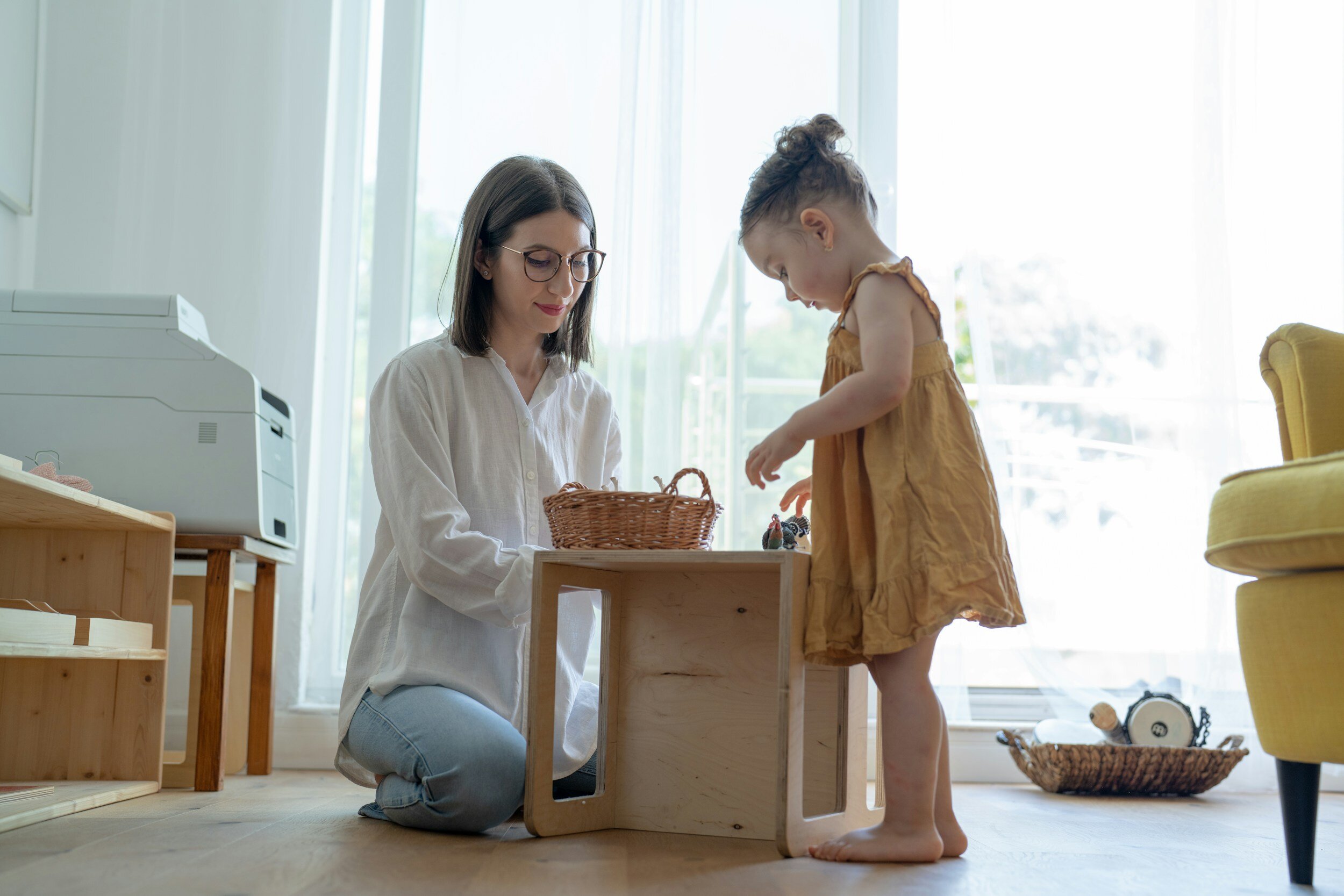
Play therapy encourages imagination, self-expression, and exploration through specially selected toys and materials. It offers a transformative pathway for children to explore their emotions, navigate challenges, and find healing through the power of play.
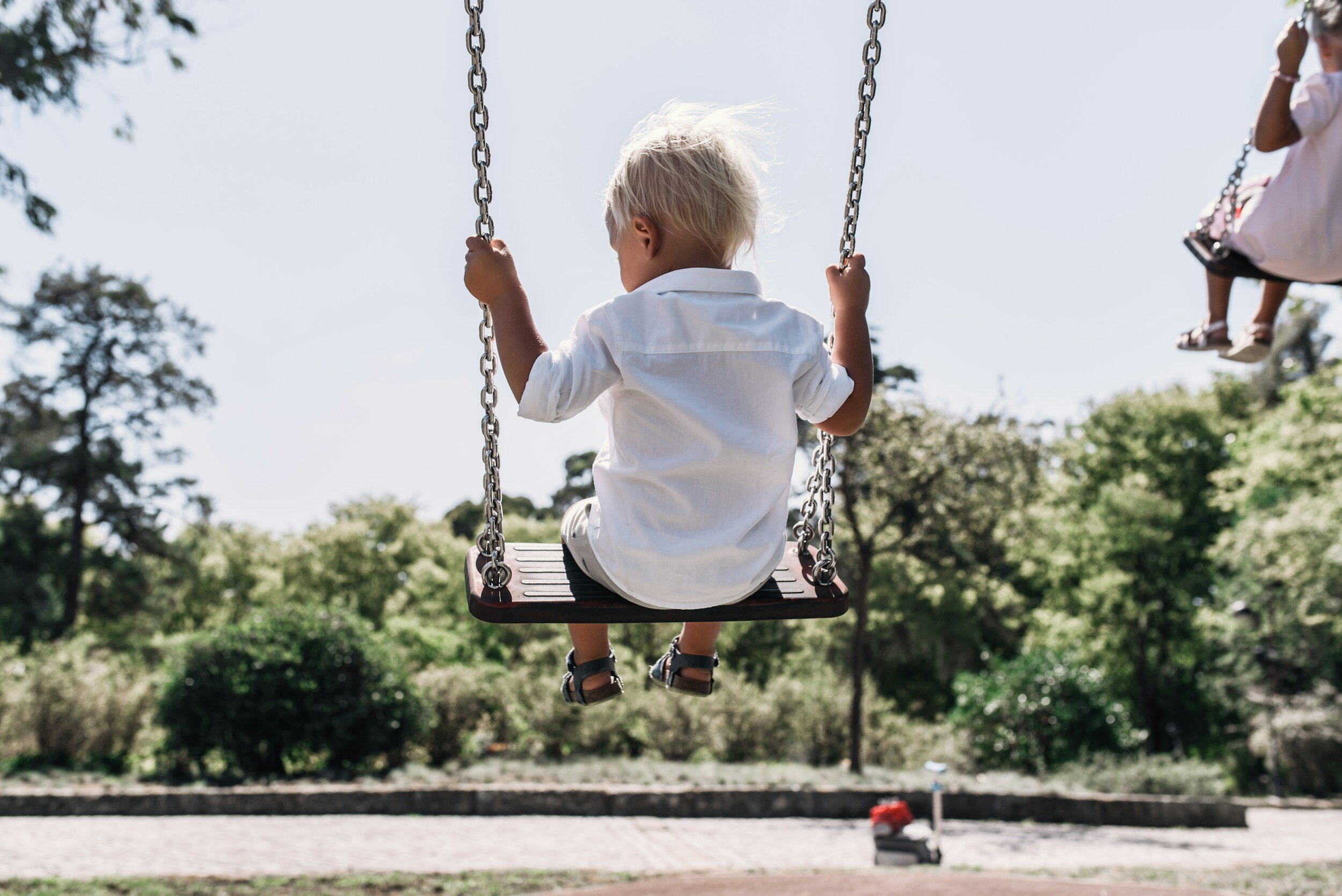
Mindfulness Practice for Little Kids
Mindfulness practice offers a guided pathway for children (and adults!) to develop a sense of calm, self-awareness, and emotional regulation. Mindfulness is a holistic life skill that promotes mental, emotional, and physical well-being. Read on to learn about 6 mindfulness techniques for kids!
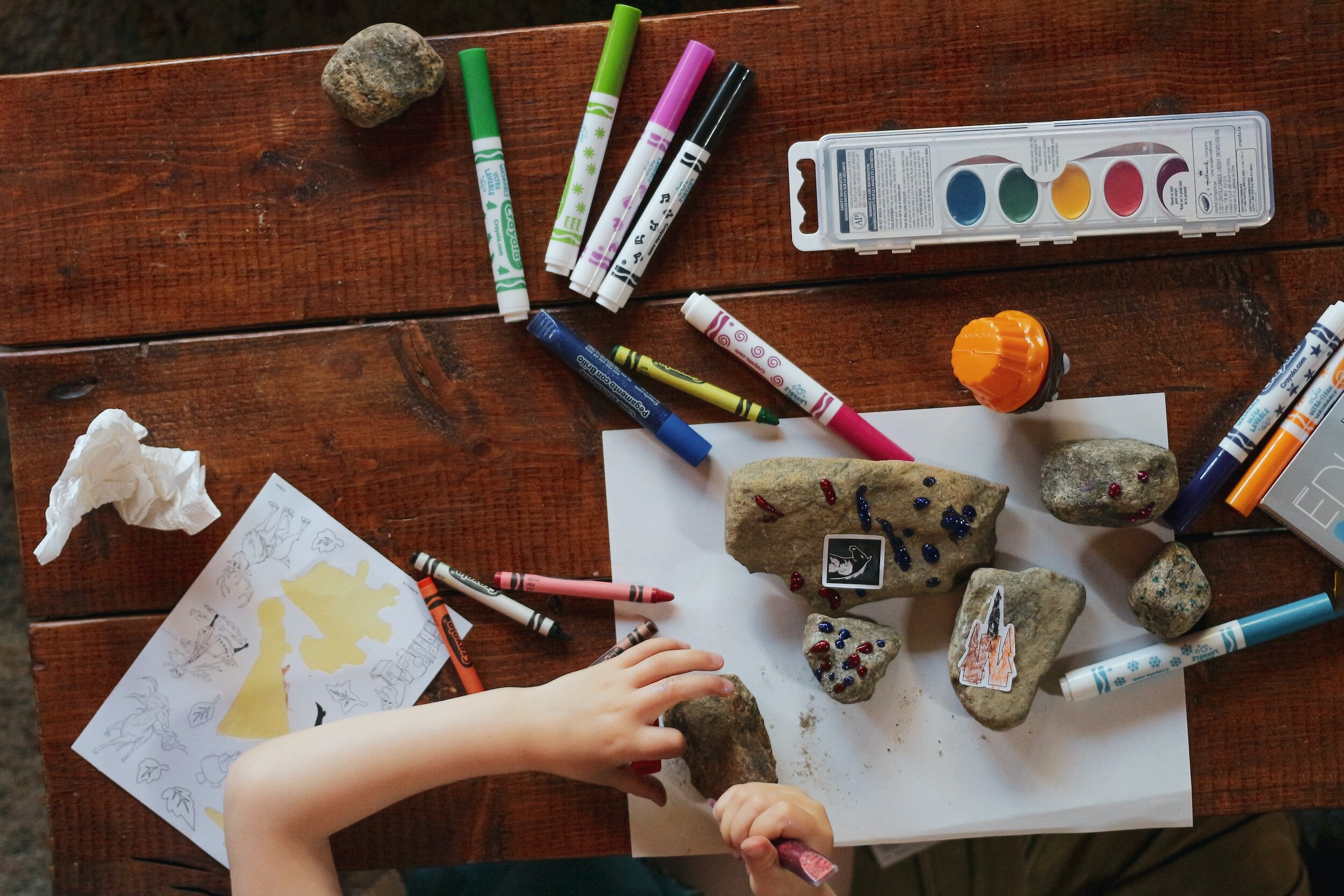
Art Therapy with Kids: Ideas
Art therapy empowers children to develop coping skills, build self-esteem, and find healing by using creativity to communicate thoughts and emotions that words alone cannot express. Explore our art therapy prompts, ideas, and activities, and check out our recommended materials for art therapy with kids!