Five Kinds of Therapeutic Play
Play is a fundamental aspect of child development that nurtures imagination and prosocial skills. Through play, kids can explore their interests, experiment with ideas, and practice navigating curated scenarios. Play, in all its forms, is a vital component of a holistic approach to learning and development.
1. Imaginative Play
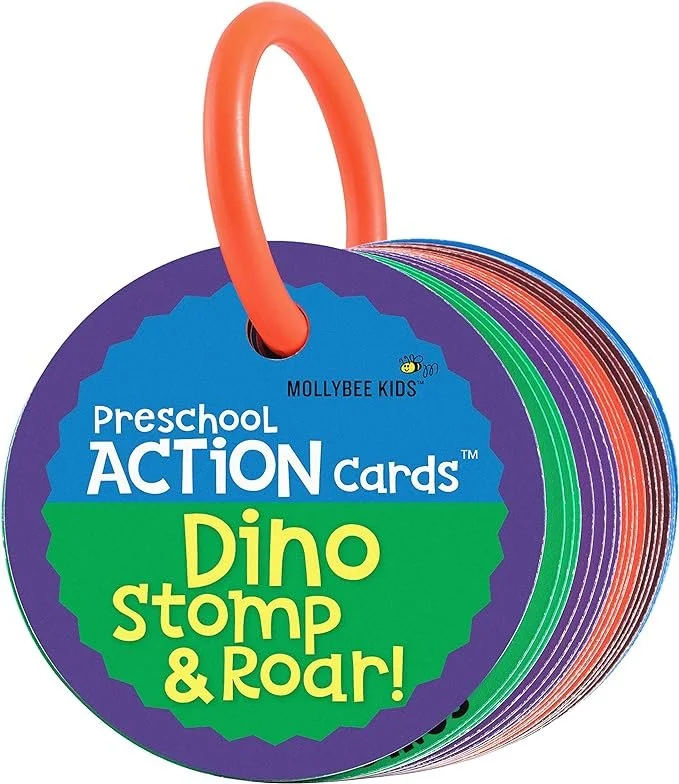
Imaginative play nourishes creativity. Through role-play, storytelling, and make-believe scenarios, kids can explore and expand their imaginations while processing complex ideas, emotions, and situations. Whether they are playing independently or with others, this form of play encourages problem-solving, enhances communication skills, and fosters emotional intelligence.
Our five favorite Imaginative Play toys:
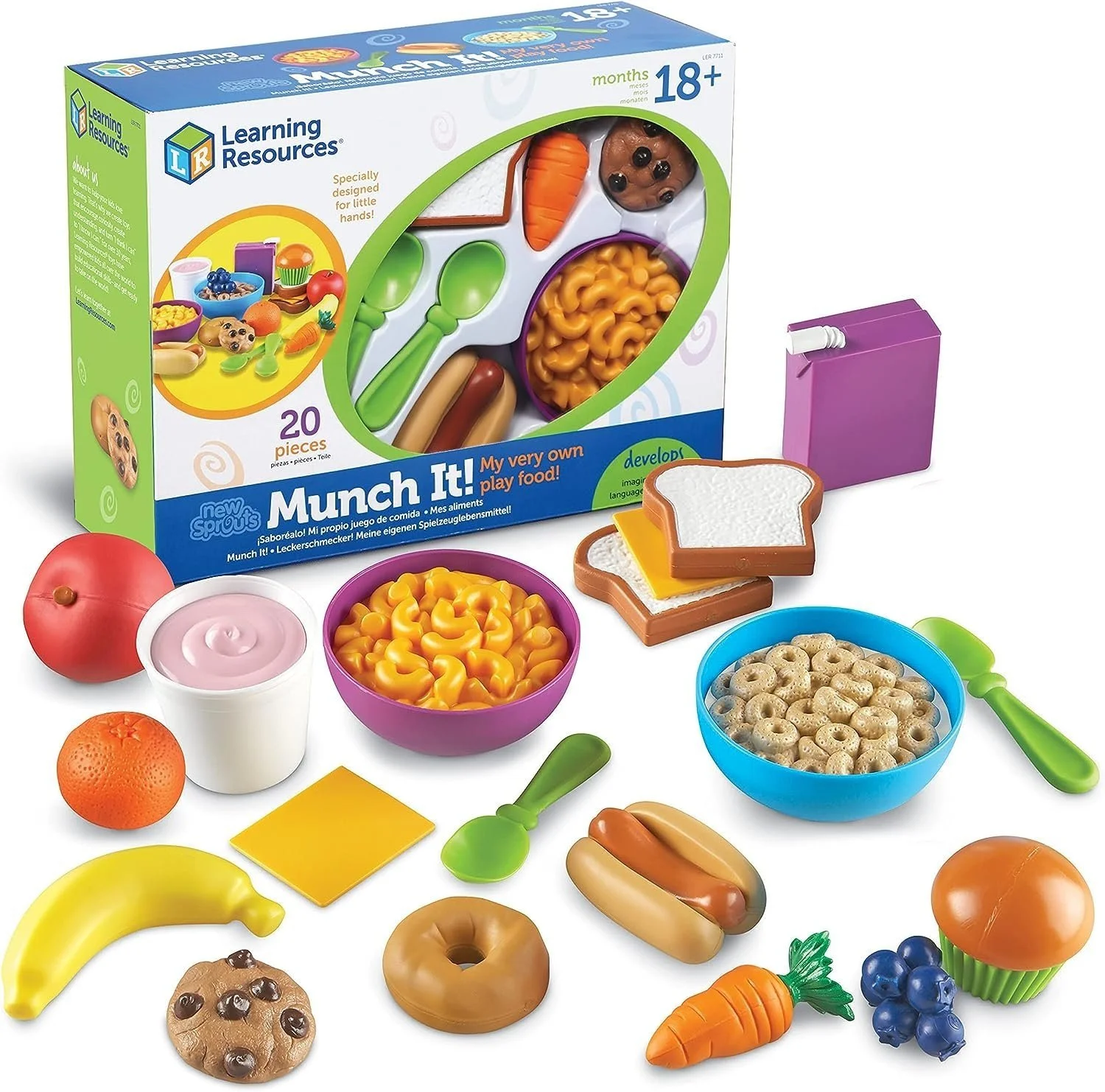

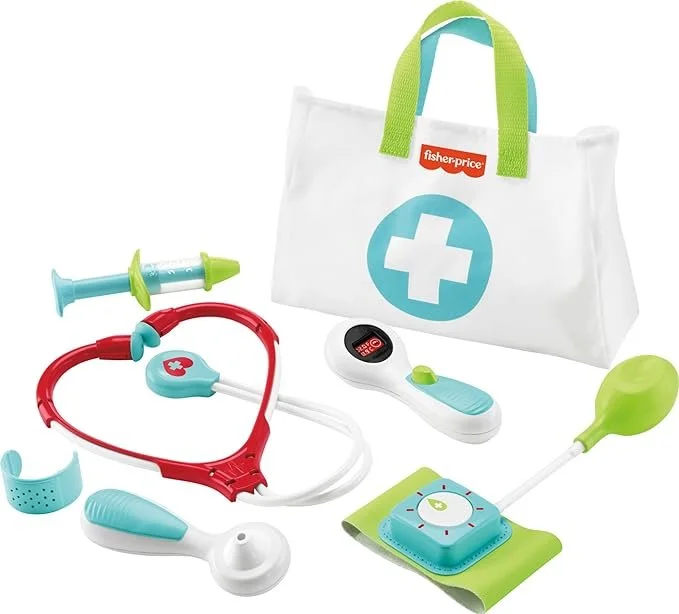


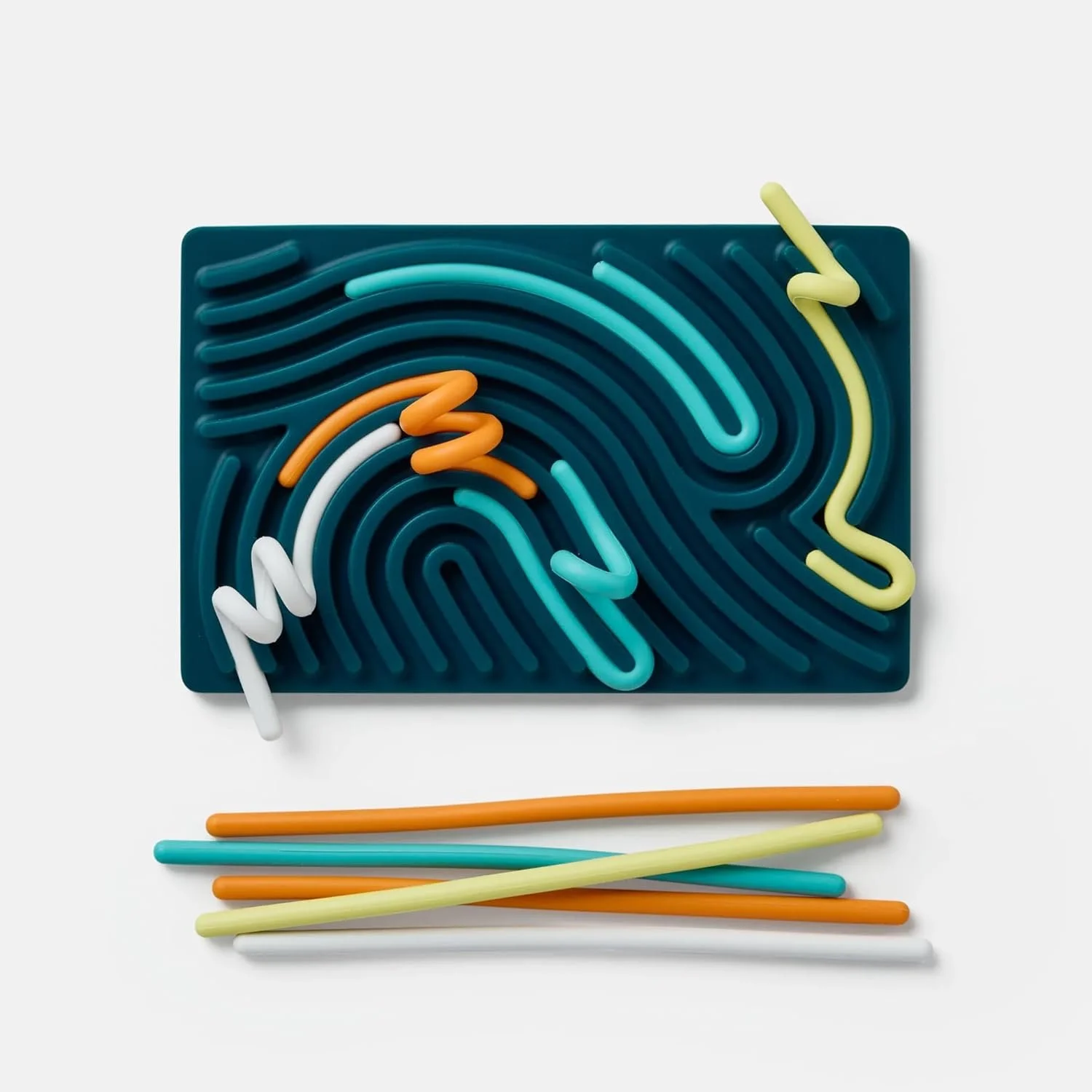
2. Sensory Play
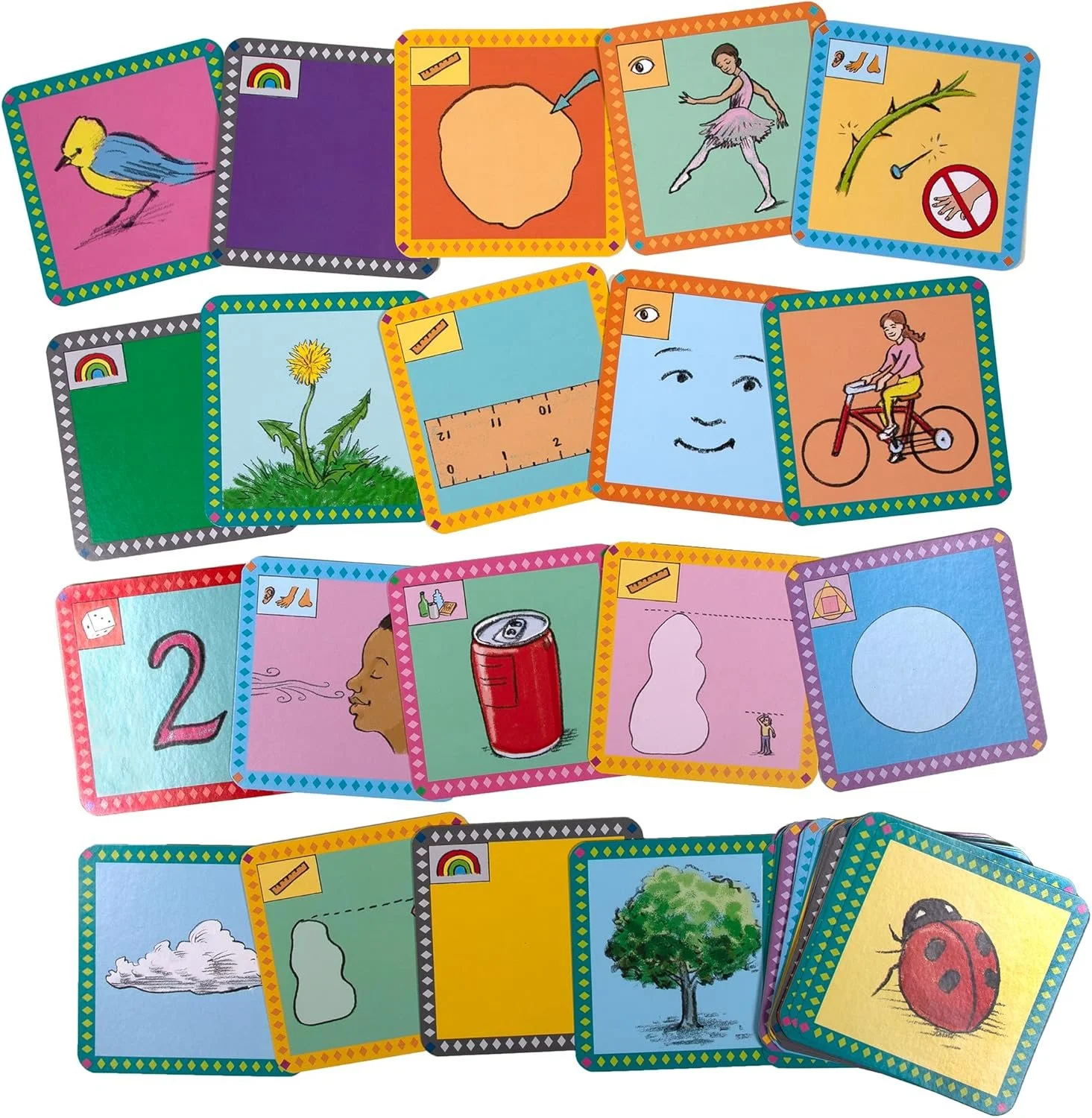
In sensory play, kids explore different textures, scents, weights, patterns, and sounds, to aid in the development of motor skills, cognitive abilities, and emotional regulation. Sensory play is not only fun, it also promotes concentration and resilience.
Our five favorite Sensory Play toys:
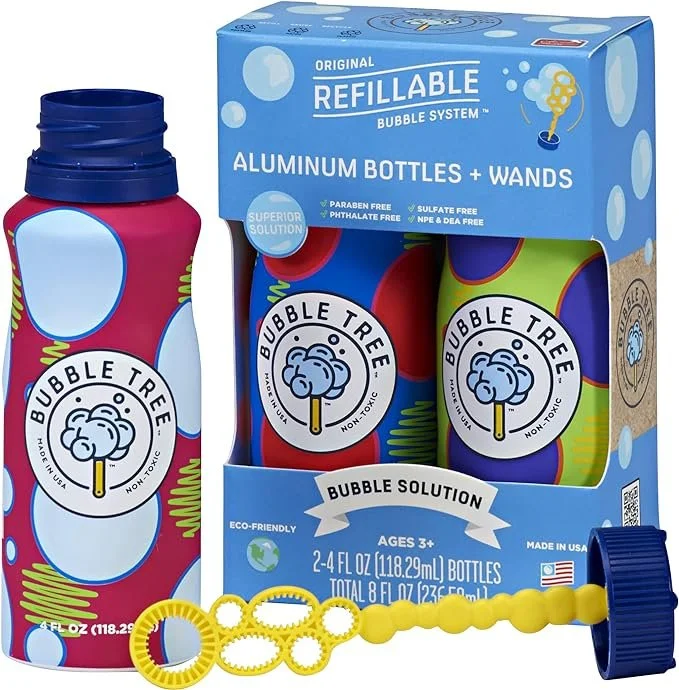


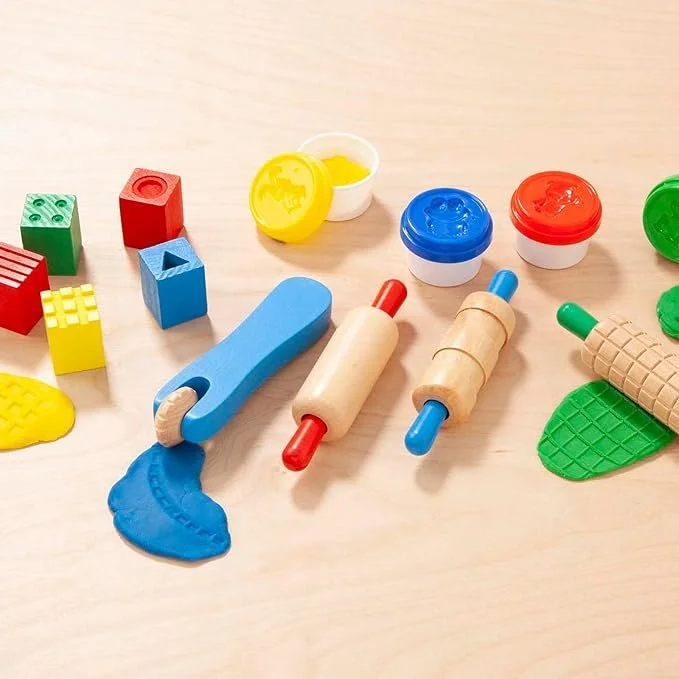
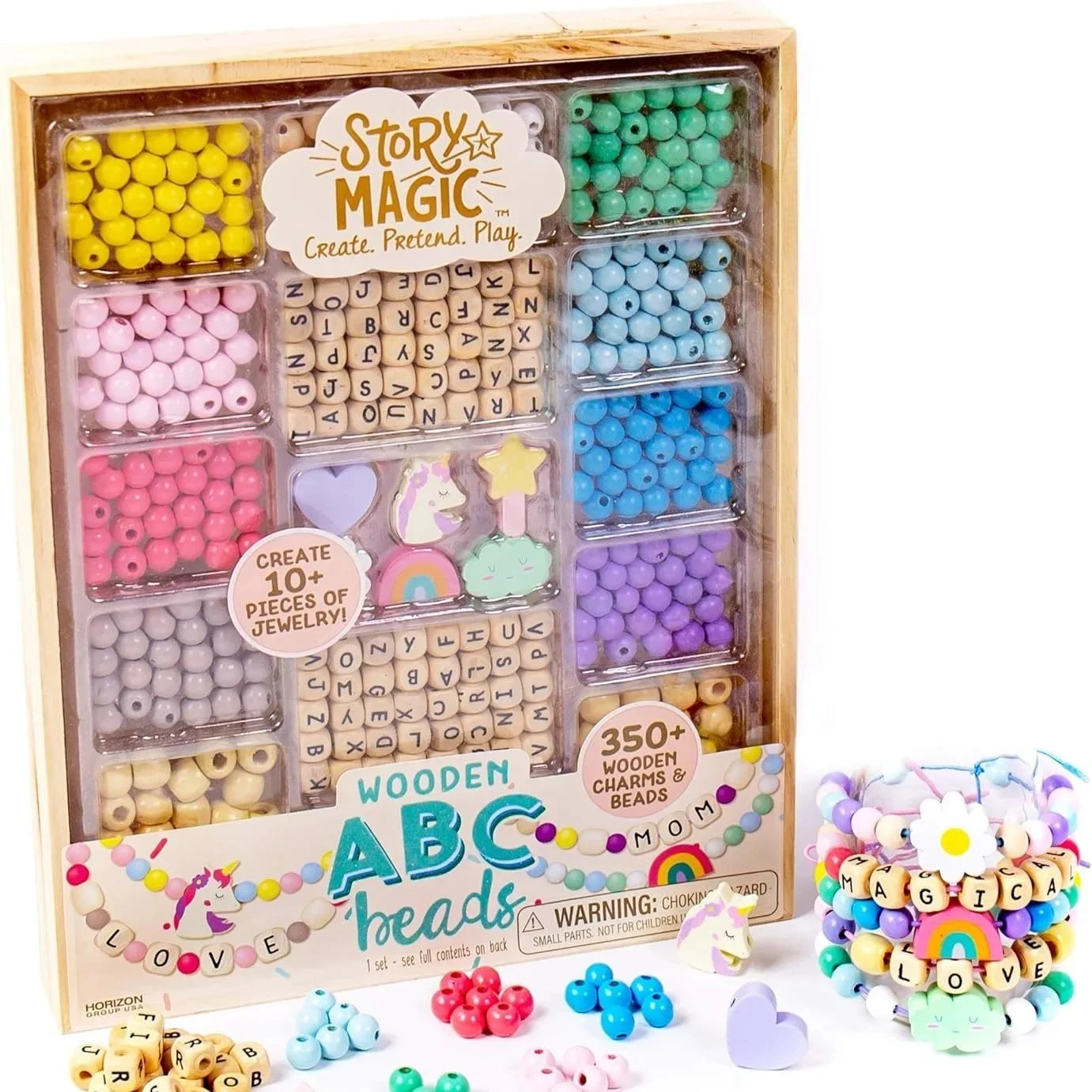
3. Constructive Play
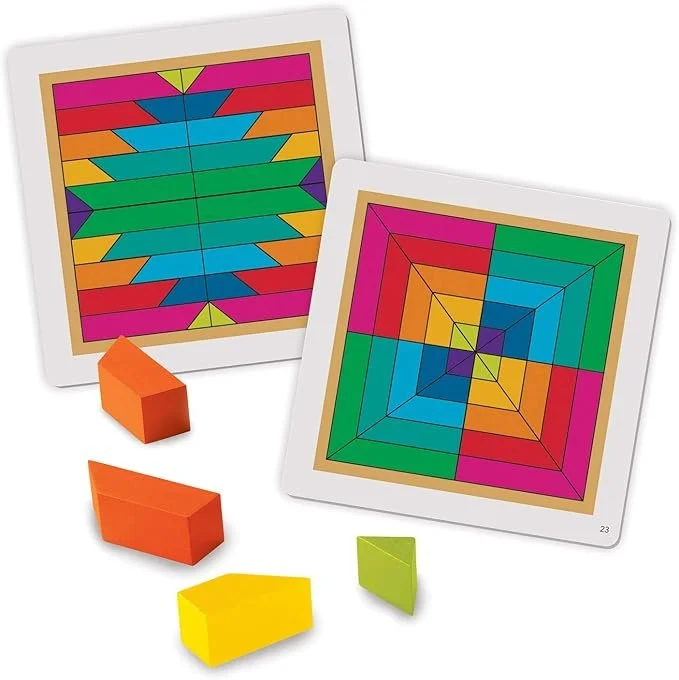
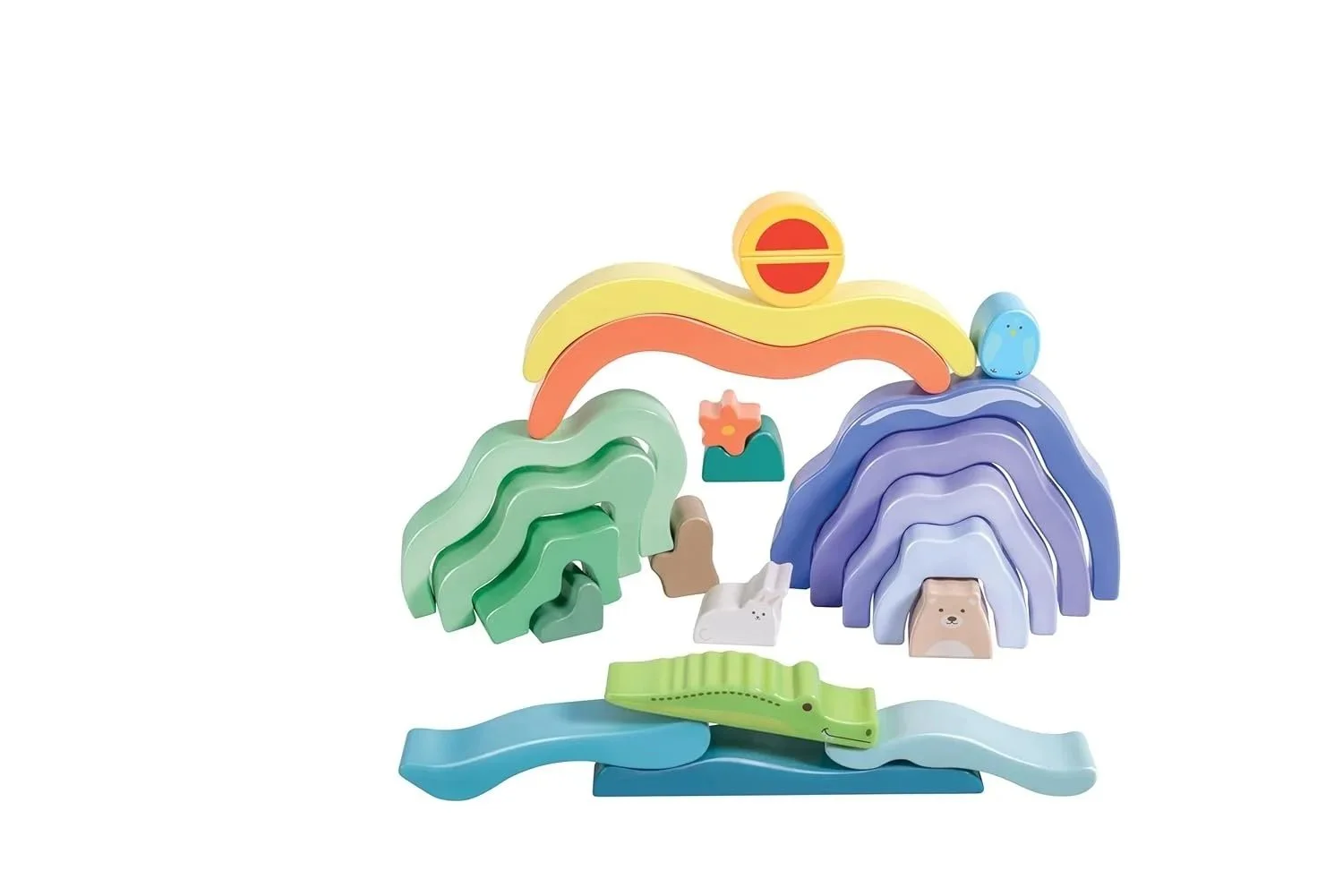
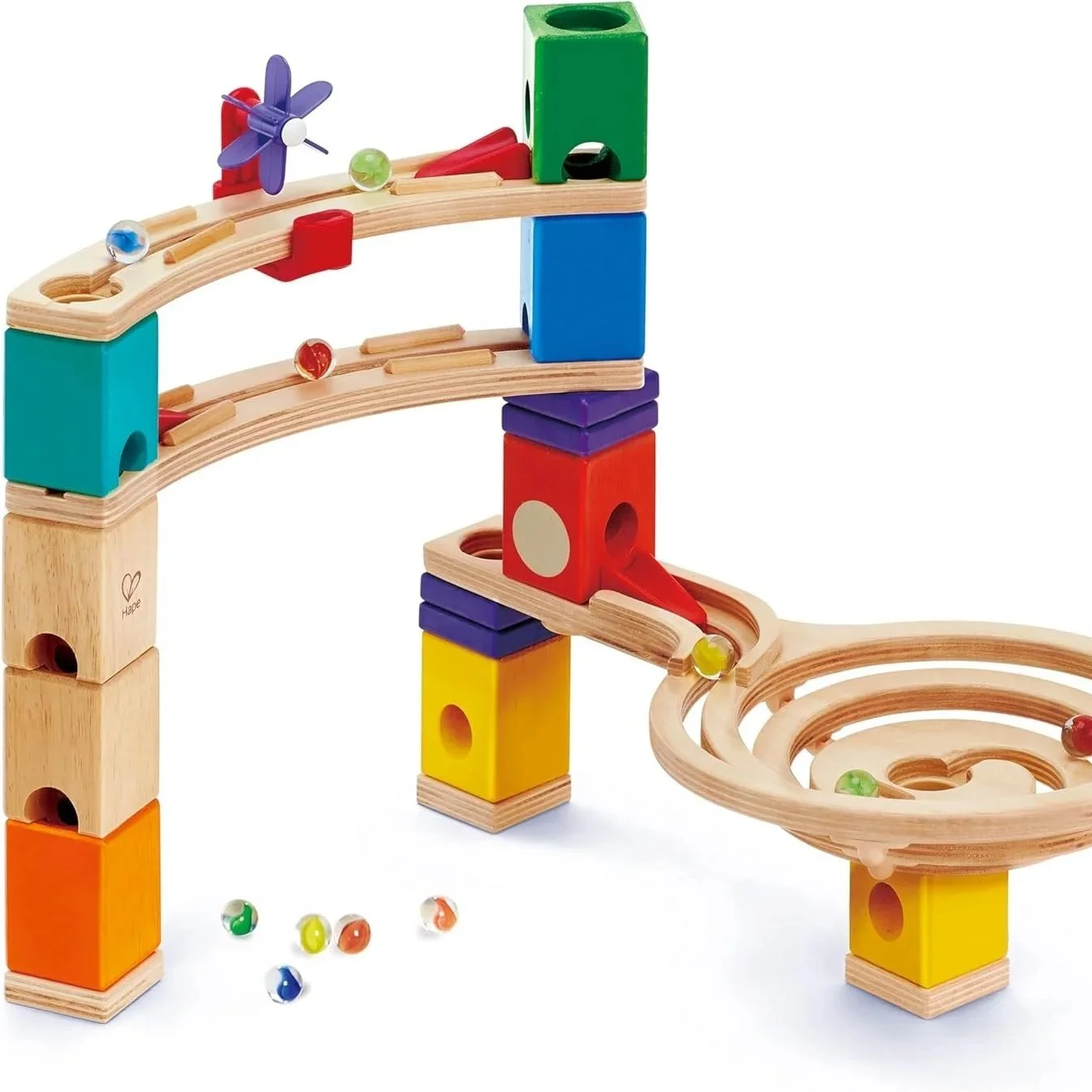
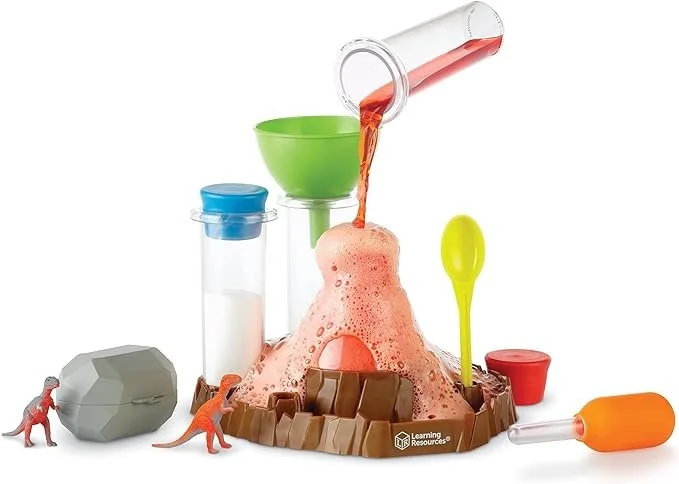
Constructive play involves building, creating, and manipulating objects to achieve an outcome. This kind of play encourages kids to plan, experiment, and pivot, which instills a sense of accomplishment and perseverance.
Our five favorite Constructive Play toys:

4. Cooperative Play
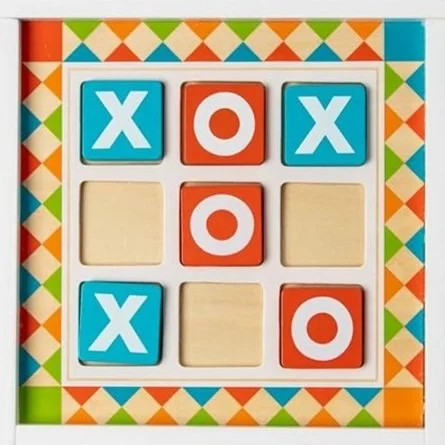
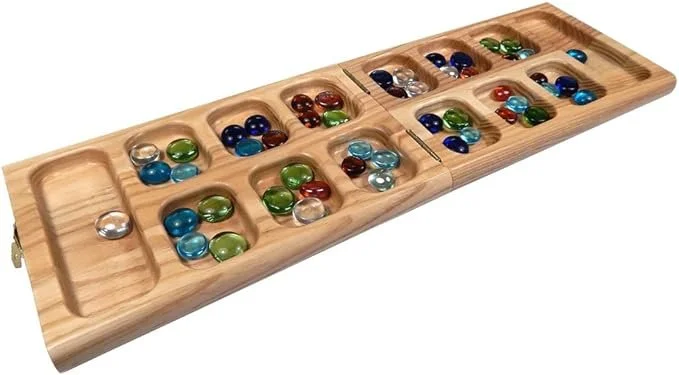
Cooperative play supports collaboration and communication between two or more people. Cooperative games allow kids to exercise empathy, fair play, strategic thinking, and conflict resolution.
Our five favorite Cooperative Play toys:


5. Instructional PLay
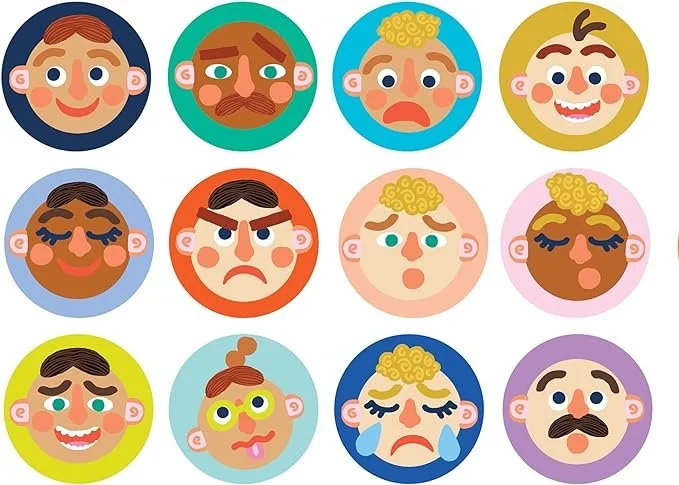
Instructional play is a guided form of play that combines directives with recreation. Instructional play is designed to deliver specific outcomes, making it an effective tool for educational and therapeutic settings.
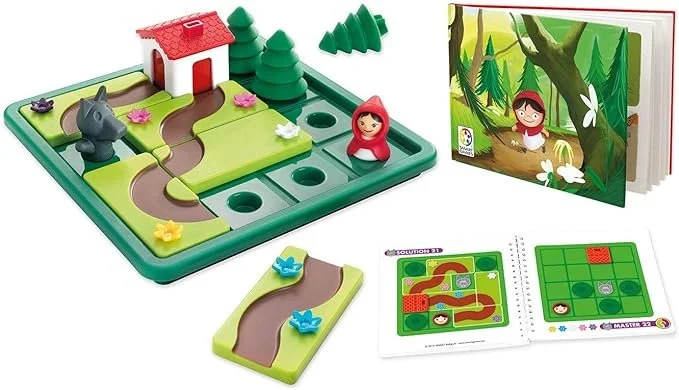
Our five favorite Instructional Play toys:

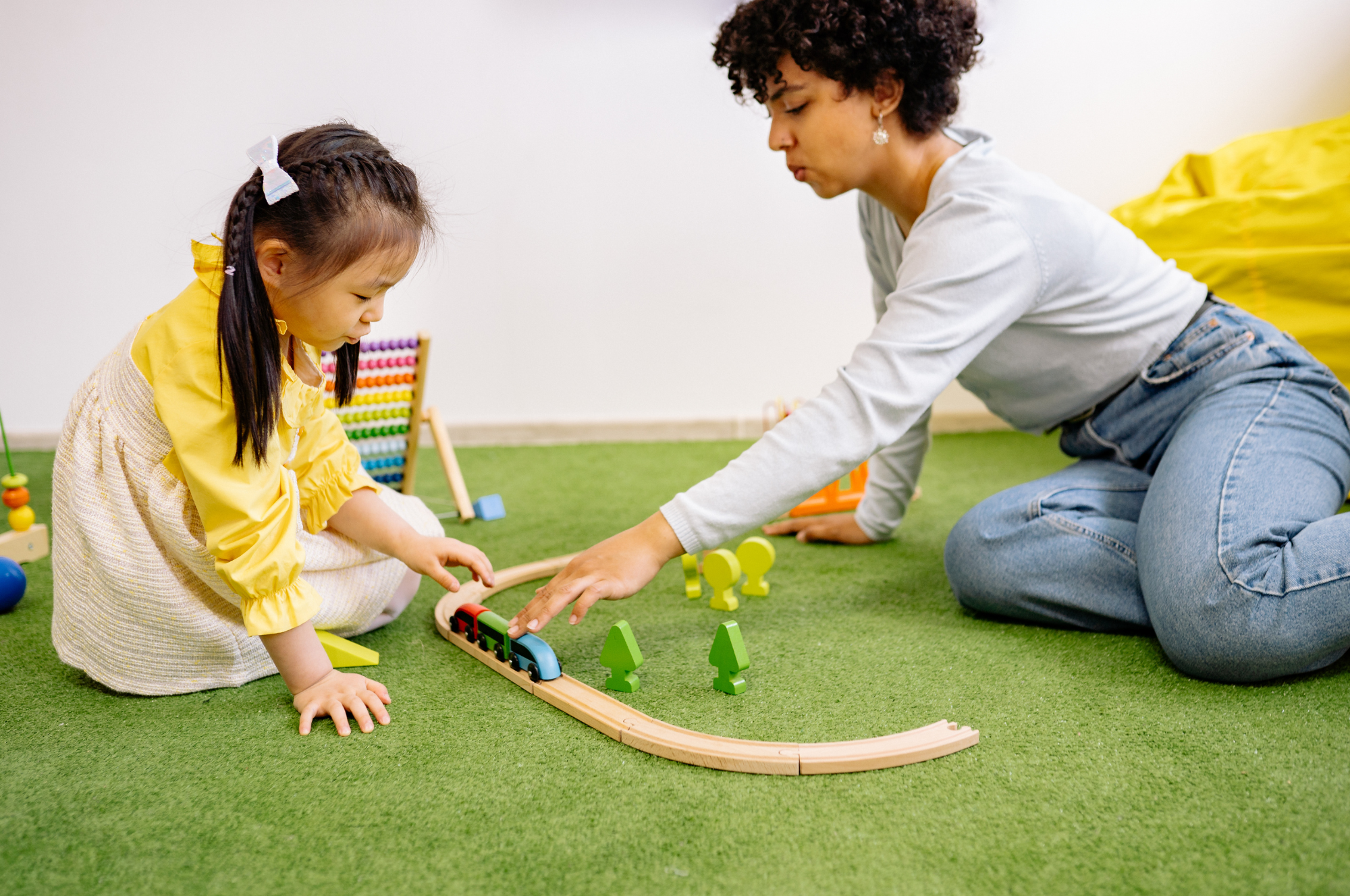
PLAY THERAPY
These types of play are also used by licensed therapists in a play therapy setting. Play therapy is a fun and familiar way for children to explore their emotions, circumstances, behaviors, and thought processes.
Explore our full list of recommended materials for child therapy: