
Pediatric Mental Health Blog
© 2026 COPYRIGHT NOTICE: All original resources, content, and materials produced and displayed on this website are the intellectual property of Child Therapy Guide. These resources are protected by copyright laws and are intended for personal, non-commercial use. Unauthorized reproduction, distribution, or any other unauthorized use of the content without explicit permission from Child Therapy Guide is strictly prohibited. Users are encouraged to enjoy and utilize the resources responsibly, respecting the copyright and intellectual property rights associated with the content. For any inquiries or requests regarding the use of our materials, please contact us through our contact form.

Therapeutic Activity: My Calm Down Plan
Help kids identify triggers for dysregulated emotions and behaviors, and then collaborate to find what helps calm them down. Things don’t always go as planned, but foresight and self-empathy can help kids navigate through challenging moments.
Read on for free printable resources for self-regulation.
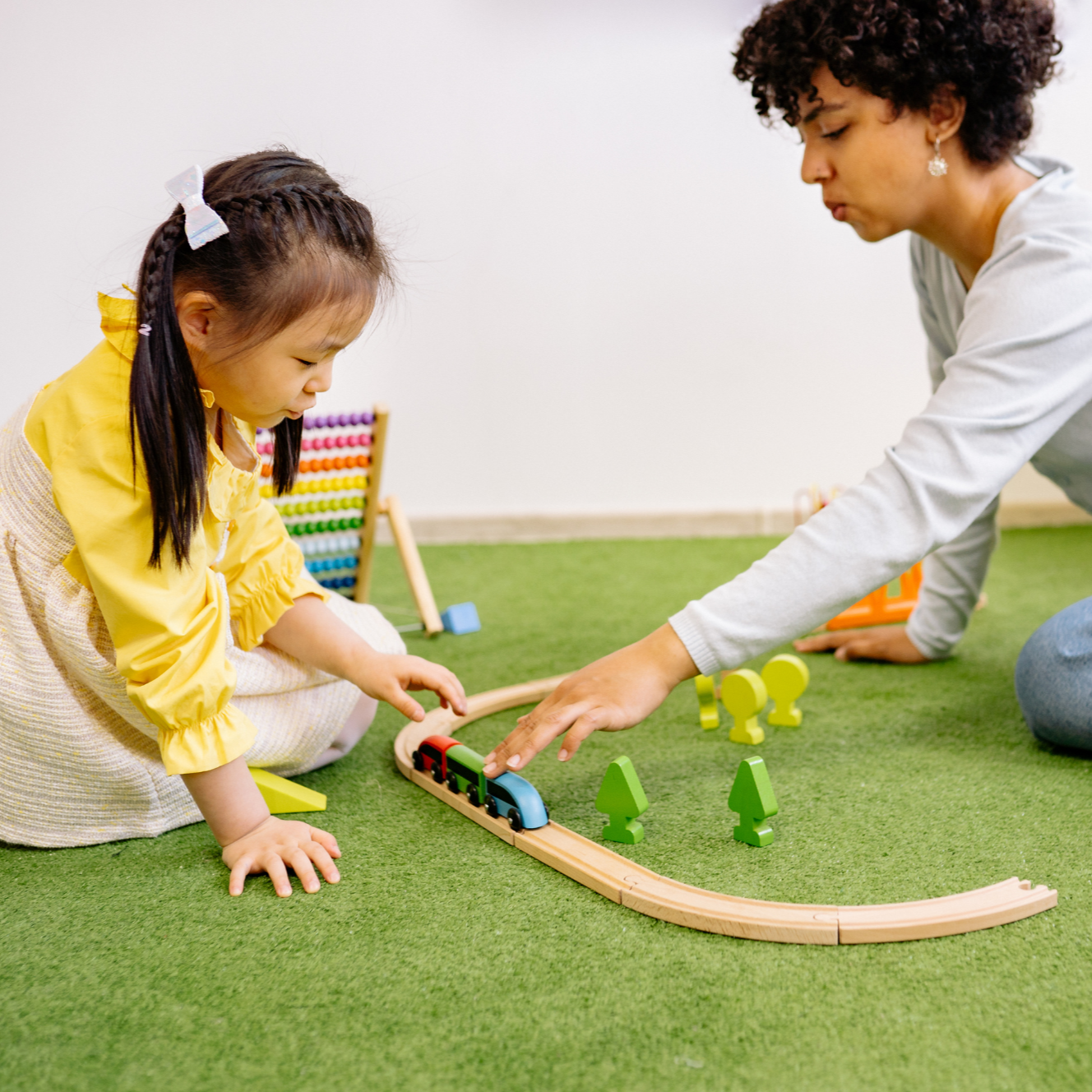
Five Kinds of Therapeutic Play
Play is a fundamental aspect of child development that nurtures imagination and prosocial skills. Through play, kids can explore their interests, experiment with ideas, and practice navigating curated scenarios.
Play, in all its forms, is a vital component of a holistic approach to learning and development.

Help Kids Prepare for the Holidays
Parties, events, and traditions around the holidays often alter our daily routines. This can be especially disruptive to kids who struggle with mental flexibility. With anticipated disruptions in mind, try our holiday preparedness conversation starters to promote social skills, confidence, problem-solving, and emotional regulation by helping kids feel heard, understood, and excited about the possibilities that lie ahead.
Preparedness in kids (and adults!) contributes to overall well-being and can significantly reduce dysregulated feelings and behaviors.

5 Free Parenting Tools
Our collection of free printable parenting tools offers practical, easy-to-use resources to improve communication, encourage positive behavior, and create a nurturing home environment.

Kid’s Books and Resources About Anger
We’ve collected 5 children’s books and 5 free resources that guide kids through the process of identifying, expressing, and coping with angry feelings in constructive ways. Through storytelling, we can validate the experience of anger while providing supportive navigation.

Teaching Kids Cause And Effect
Exploring cause and effect with kids helps them to understand the physical, social, emotional, and functional consequences of behaviors. This reflection on behaviors allows them to appropriately repair negative or unintended consequences, and refine future behaviors to seek positive outcomes.
Read on to learn how to talk to kids about Cause & Effect!

Infographics About Child Therapy
Our free printable infographics make complex concepts about emotional and behavioral health more accessible so that caregivers, clinicians, and educators are better able to understand and engage with the therapeutic process.
We aim to empower the community through user-friendly psycho-education, skill building, and practical application—because a deeper understanding of mental and behavioral health increases awareness, reduces stigma, and encourages early intervention.

Navigating Emotional Dysregulation in Kids
Emotional regulation is often equated with calmness, but that’s not the whole picture. Rather, emotional regulation is effective management of all emotions. Anger, sadness, frustration, jealousy, grief, excitement, shock, elation, fear are not generally “calm” emotions, but a person can experience them from a place of governance.
Read on to learn more, and explore our free printable resources!

How To: House Rules
By identifying house rules in terms of “dos” and “don’ts,” kids (and adults!) can benefit from clear boundaries and expectations. Read on to access our free printable PDF to outline household “dos” and “don’ts,” and use this tool to promote respect, cooperation, and accountability at home.

How To: Behavior Charts
By visually tracking progress on a sticker chart, we can help kids increase motivation, develop self-discipline, and reinforce positive habits. Read on to learn best practices for behavior charts!

Draw Your Day
This free printable art therapy activity highlights two main skills: routine conceptualization and emotional exploration. By preparing for and embracing the natural ebbs and flows of a day, kids can improve their adaptive functioning and lead more balanced lives.
Feeling & Behavior Patterns
A feeling or behavior pattern develops when a person has a reoccurring emotional and/or behavioral reaction to a cue. These patterns can be adaptive or maladaptive. Read on to learn how to interrupt maladaptive patterns and print our free PDF guide with talking points for kids!

Anger Management for Kids
A significant part of anger management is understanding the roots of our anger. The examination of anger contributes to self-empathy and allows for the utilization of targeted coping skills. Read on for more information, recommended resources, and free printable worksheets!
How to Manage Jealousy
By encouraging open conversations about why jealousy happens, we can help children develop empathy for themselves and others. Practicing gratitude, focusing on personal strengths, and learning to celebrate the successes of others can turn jealousy into an opportunity for growth.
Read on for a free printable worksheet about jealousy!

8 Mindfulness Worksheets for Kids
Mindfulness practice offers a guided pathway for children to develop a sense of calm, self-awareness, and emotional regulation. Our collection of free printable PDF mindfulness worksheets provides a variety of engaging activities designed to help kids explore presence of mind, manage stress, and cultivate emotional well-being.
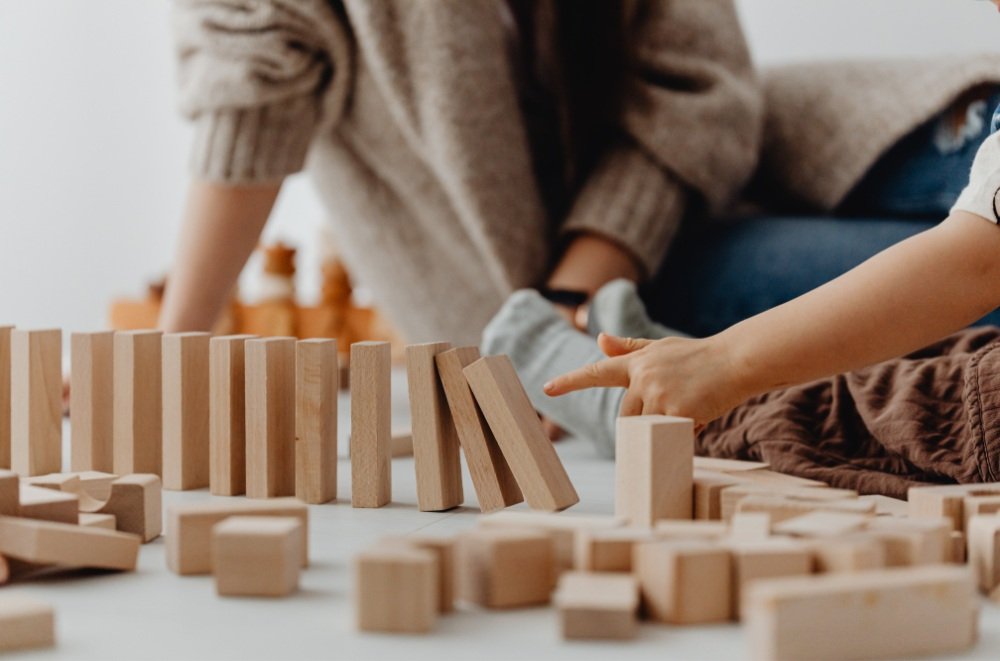
Play Therapy: Cooperative Play
Cooperative play is a form of play that requires working together towards a common goal. It often involves teamwork, communication, and problem-solving skills. This type of play encourages collaboration and helps kids develop social skills as they learn to negotiate roles, share ideas, and support one another through collective effort.
In play therapy, the act of working together in a safe environment allows children to develop a sense of belonging and confidence, which can enhance emotional resilience and overall well-being.
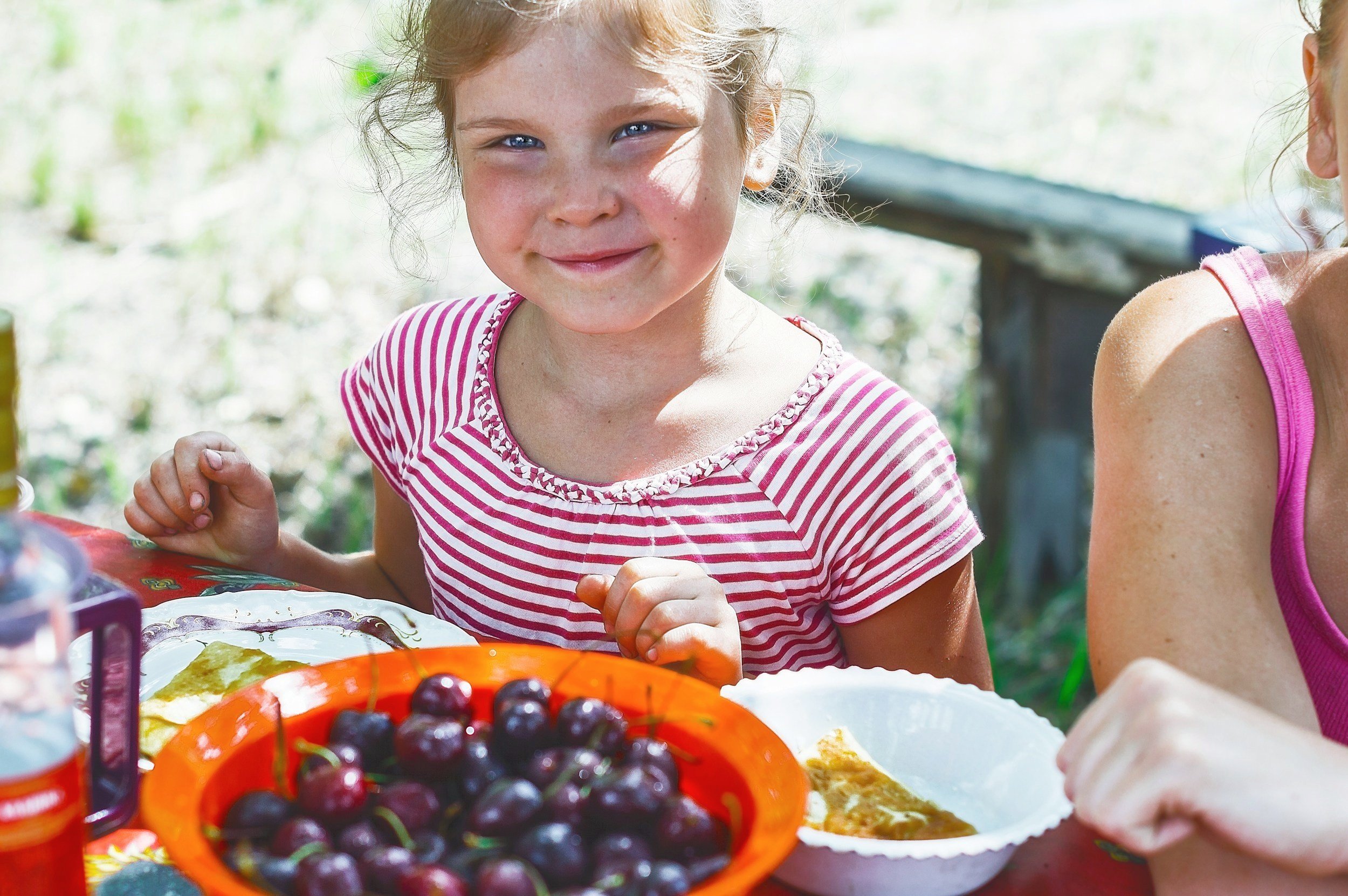
Family Dinner Guide
Gathering for family meals has documented benefits for the mental and physical health of children. Meal planning is out of our scope of practice, but we do have tips and resources to help make family dinners feel more meaningful and connected.
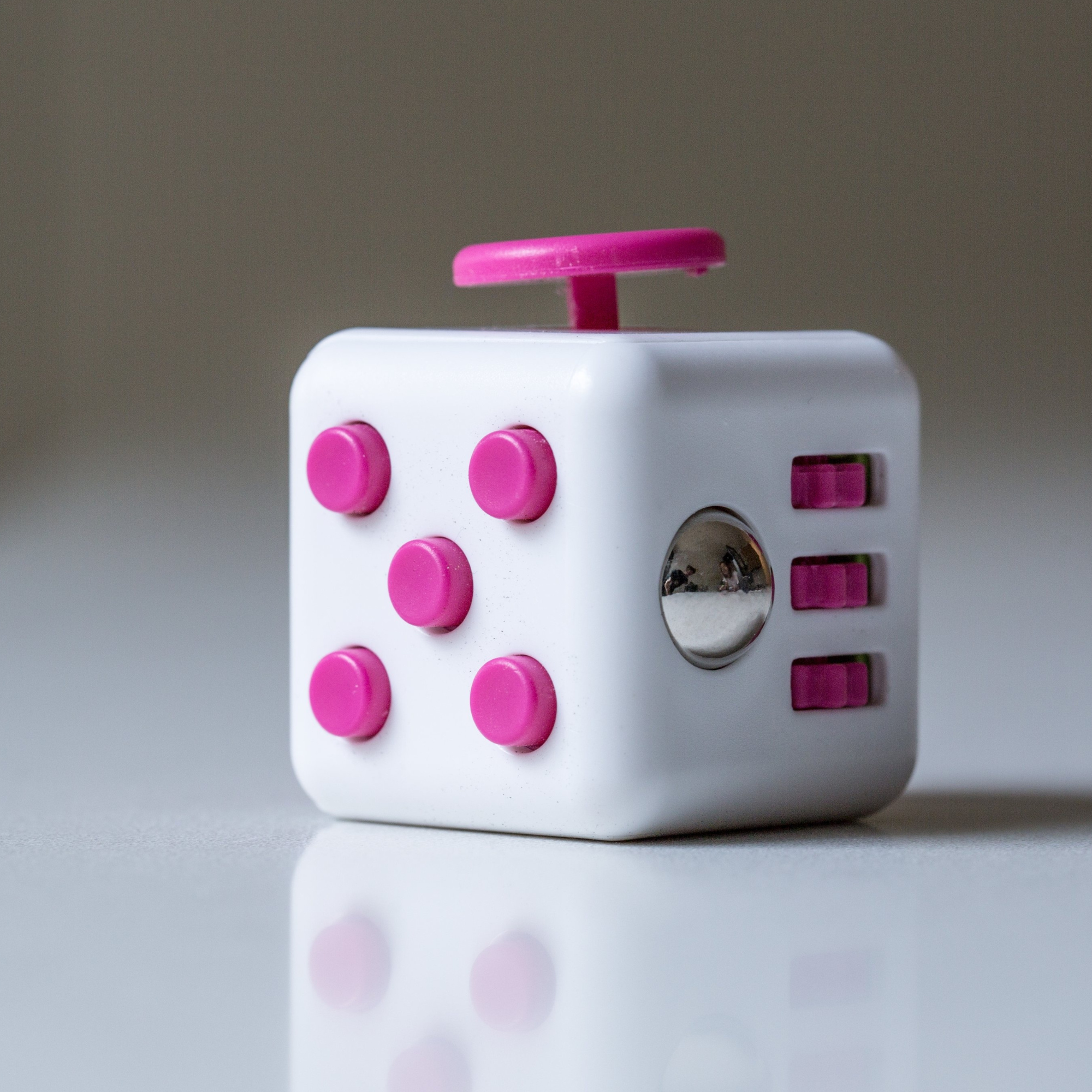
Best Fidget Toys for Kids
Fidget toys can relieve stress, reduce anxiety, and channel excess energy to support productive habits. Fidget toys are particularly beneficial for children (or adults!) with neurodivergent brains (attention-deficit/hyperactivity disorder (ADHD), autism spectrum disorder, sensory processing disorders, etc.) because they provide a physical sensory outlet for suppressed energy.
We’ve rounded up a few of our favorite fidget toys that help kids engage in therapy (also great for long commutes, waiting rooms, or quiet time)!
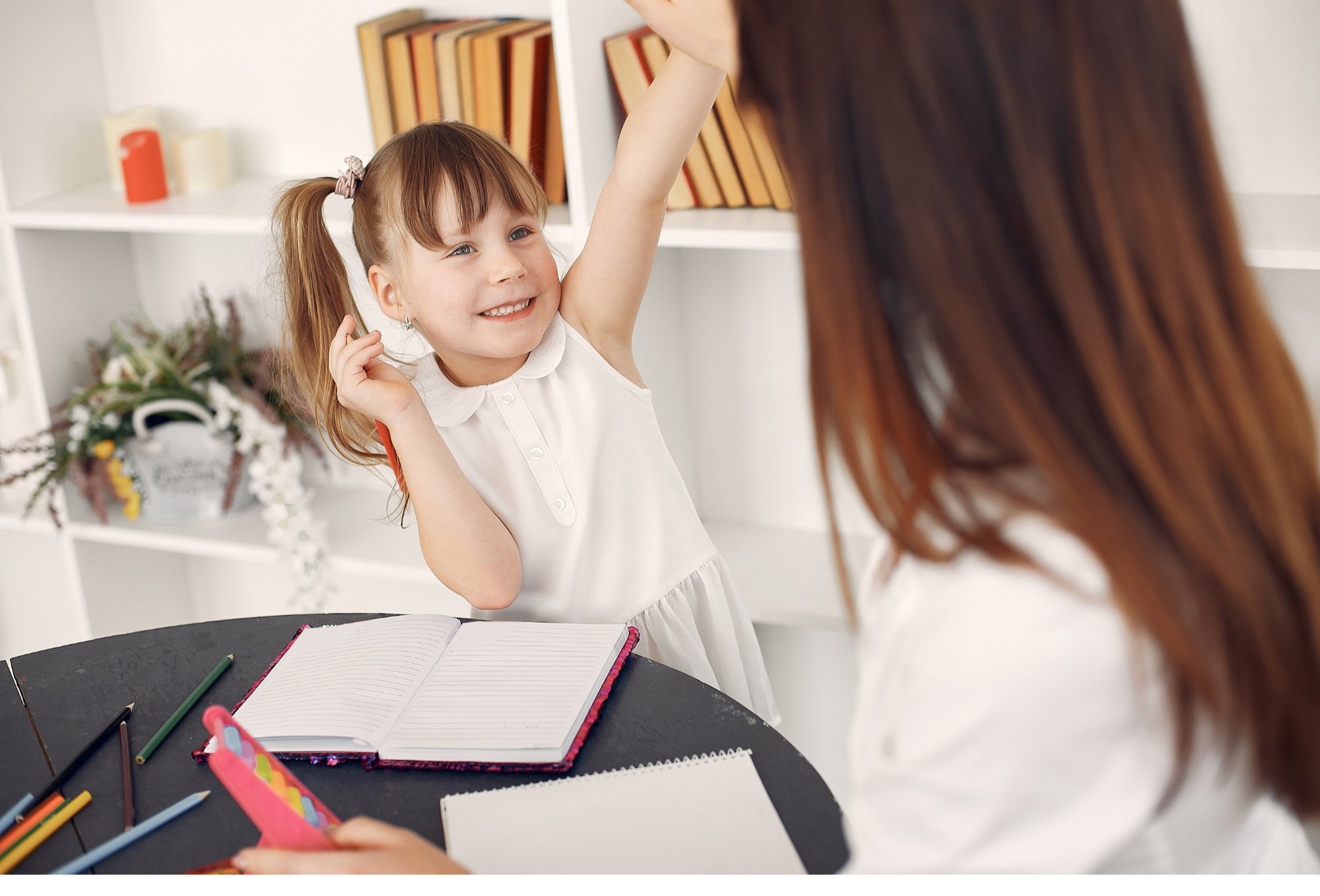
Child Therapist Tips: Building Rapport
Rapport is the foundation of effective therapy because it represents trust, respect, and positive regard. When a therapist thoughtfully establishes this connection, a child is more likely to open up, express emotions, and securely engage in the therapeutic process to facilitate healing and growth.
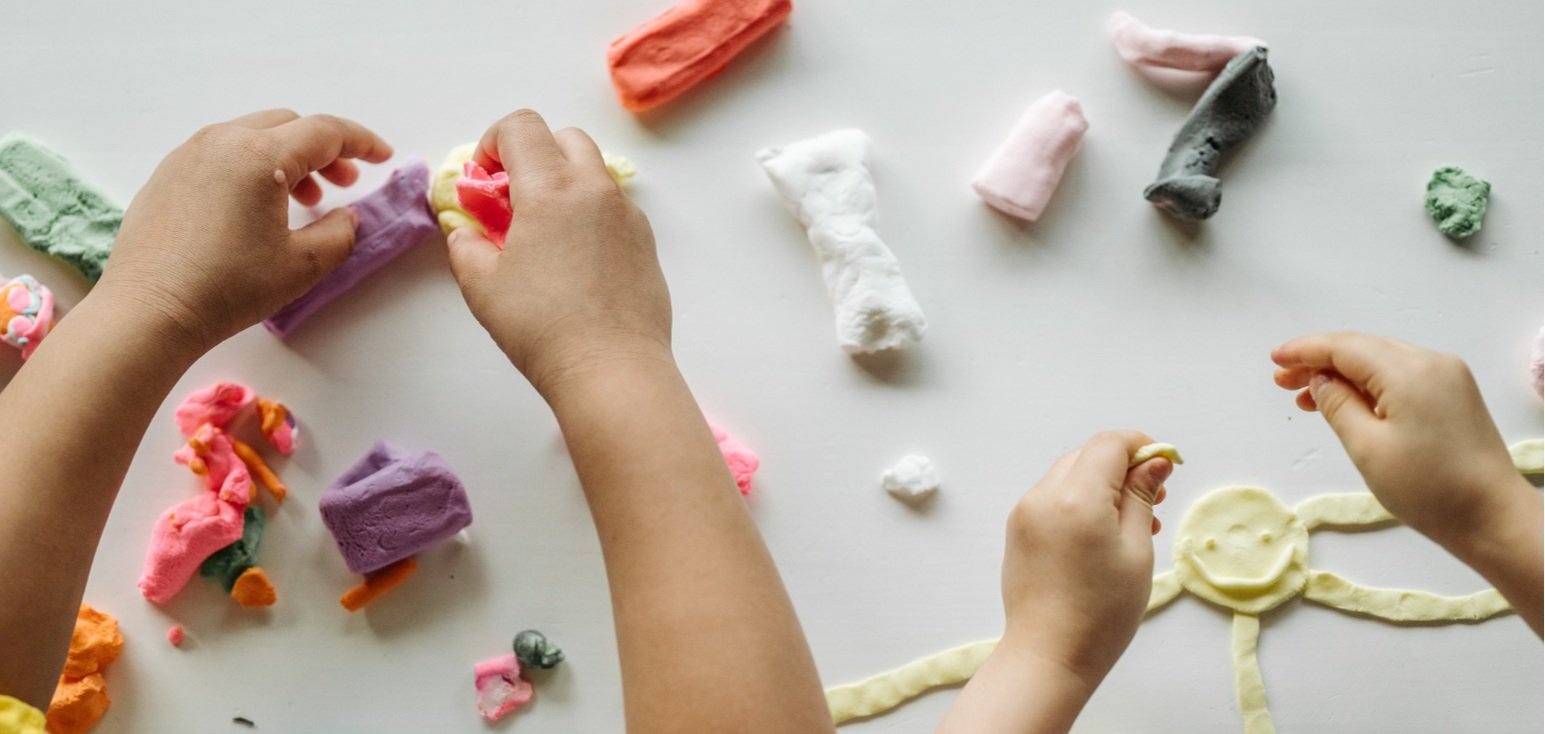
Therapeutic Activities with Play-Doh
Modeling dough (like Play-Doh) can be used as a tactile sensory tool for exploring therapeutic concepts with kids. Read on for 5 of our favorite dough activities to help kids relieve stress, exercise emotional literacy, practice coping skills, and resolve conflict.