

Pediatric Mental Health Blog
© 2026 COPYRIGHT NOTICE: All original resources, content, and materials produced and displayed on this website are the intellectual property of Child Therapy Guide. These resources are protected by copyright laws and are intended for personal, non-commercial use. Unauthorized reproduction, distribution, or any other unauthorized use of the content without explicit permission from Child Therapy Guide is strictly prohibited. Users are encouraged to enjoy and utilize the resources responsibly, respecting the copyright and intellectual property rights associated with the content. For any inquiries or requests regarding the use of our materials, please contact us through our contact form.

Infographics About Child Therapy
Our free printable infographics make complex concepts about emotional and behavioral health more accessible so that caregivers, clinicians, and educators are better able to understand and engage with the therapeutic process.
We aim to empower the community through user-friendly psycho-education, skill building, and practical application—because a deeper understanding of mental and behavioral health increases awareness, reduces stigma, and encourages early intervention.

Safety Planning with Kids
Suicidal ideation among children and adolescents is a growing concern and an uncomfortable reality, but awareness contributes to prevention.
Intense emotional pain is often dismissed in young people, but many face overwhelming stress, trauma, or challenges that can lead to unsafe thoughts or behaviors. Early recognition and open conversations are essential for risk reduction.

Draw Your Day
This free printable art therapy activity highlights two main skills: routine conceptualization and emotional exploration. By preparing for and embracing the natural ebbs and flows of a day, kids can improve their adaptive functioning and lead more balanced lives.
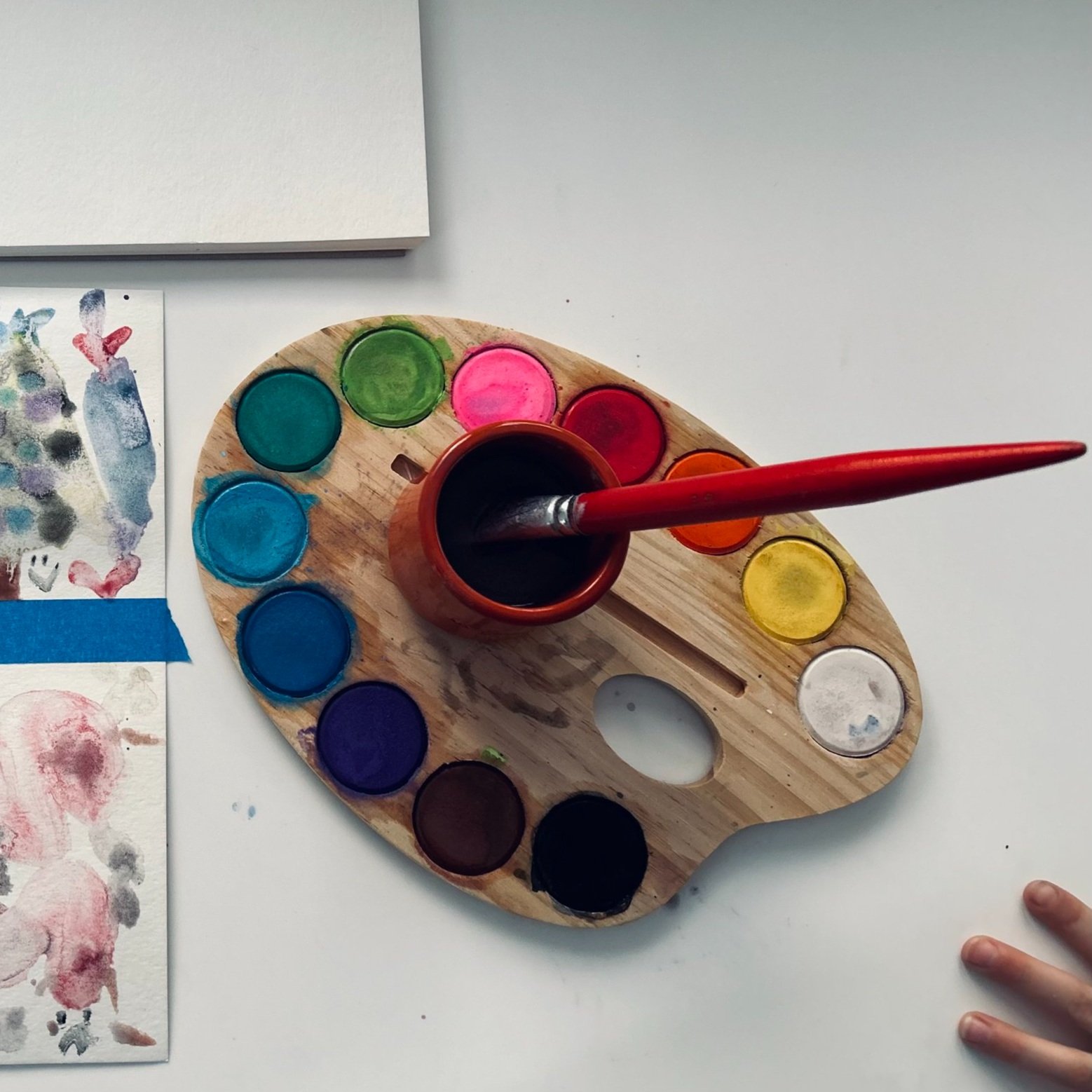
Art Therapy: Emotion Storms
Looking at a storm through a window allows us to see what’s happening while staying safe inside. In a similar way, this therapeutic art activity gives kids an opportunity to conceptualize, visualize, and explore different emotions from a safe distance. Read on to learn how to do it!
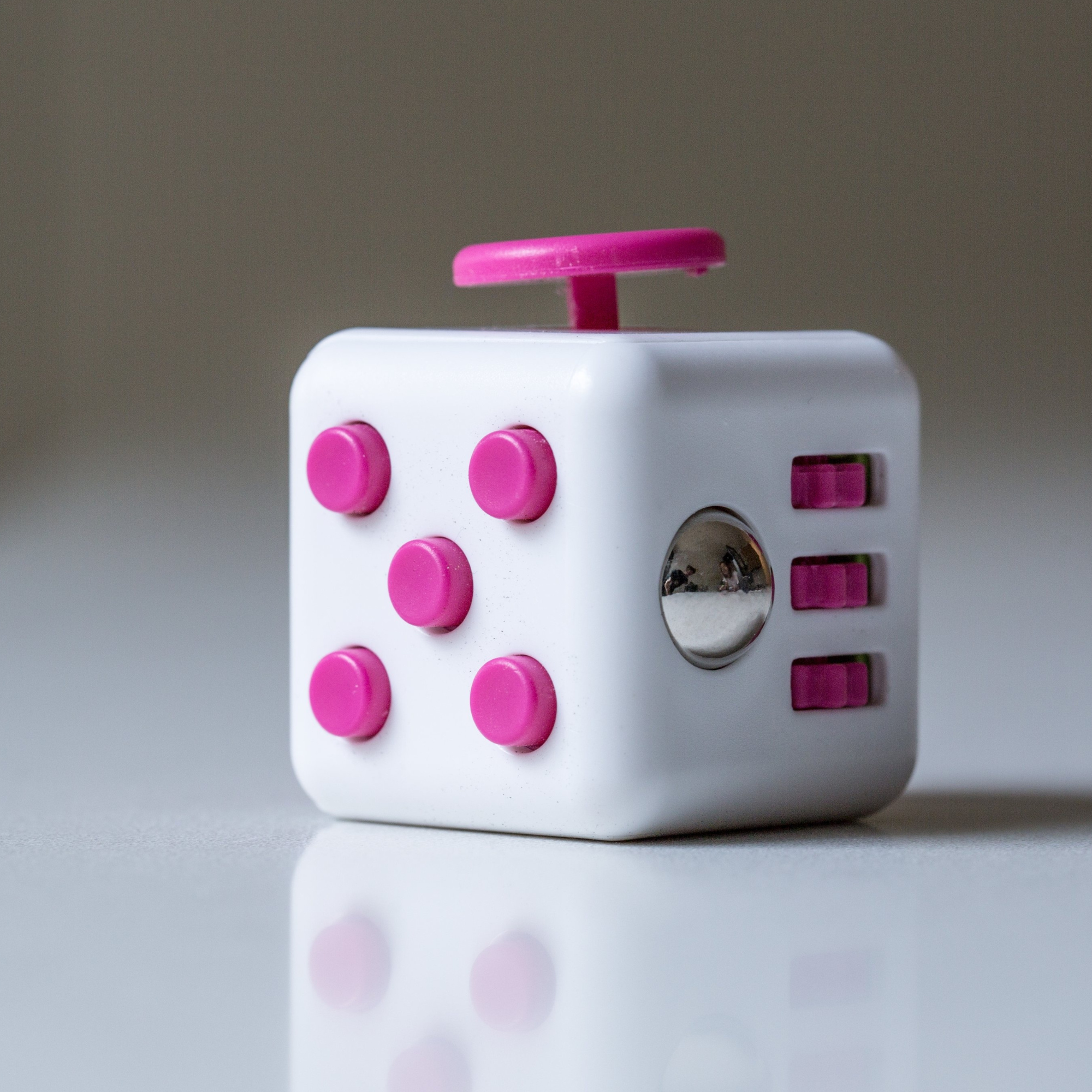
Best Fidget Toys for Kids
Fidget toys can relieve stress, reduce anxiety, and channel excess energy to support productive habits. Fidget toys are particularly beneficial for children (or adults!) with neurodivergent brains (attention-deficit/hyperactivity disorder (ADHD), autism spectrum disorder, sensory processing disorders, etc.) because they provide a physical sensory outlet for suppressed energy.
We’ve rounded up a few of our favorite fidget toys that help kids engage in therapy (also great for long commutes, waiting rooms, or quiet time)!
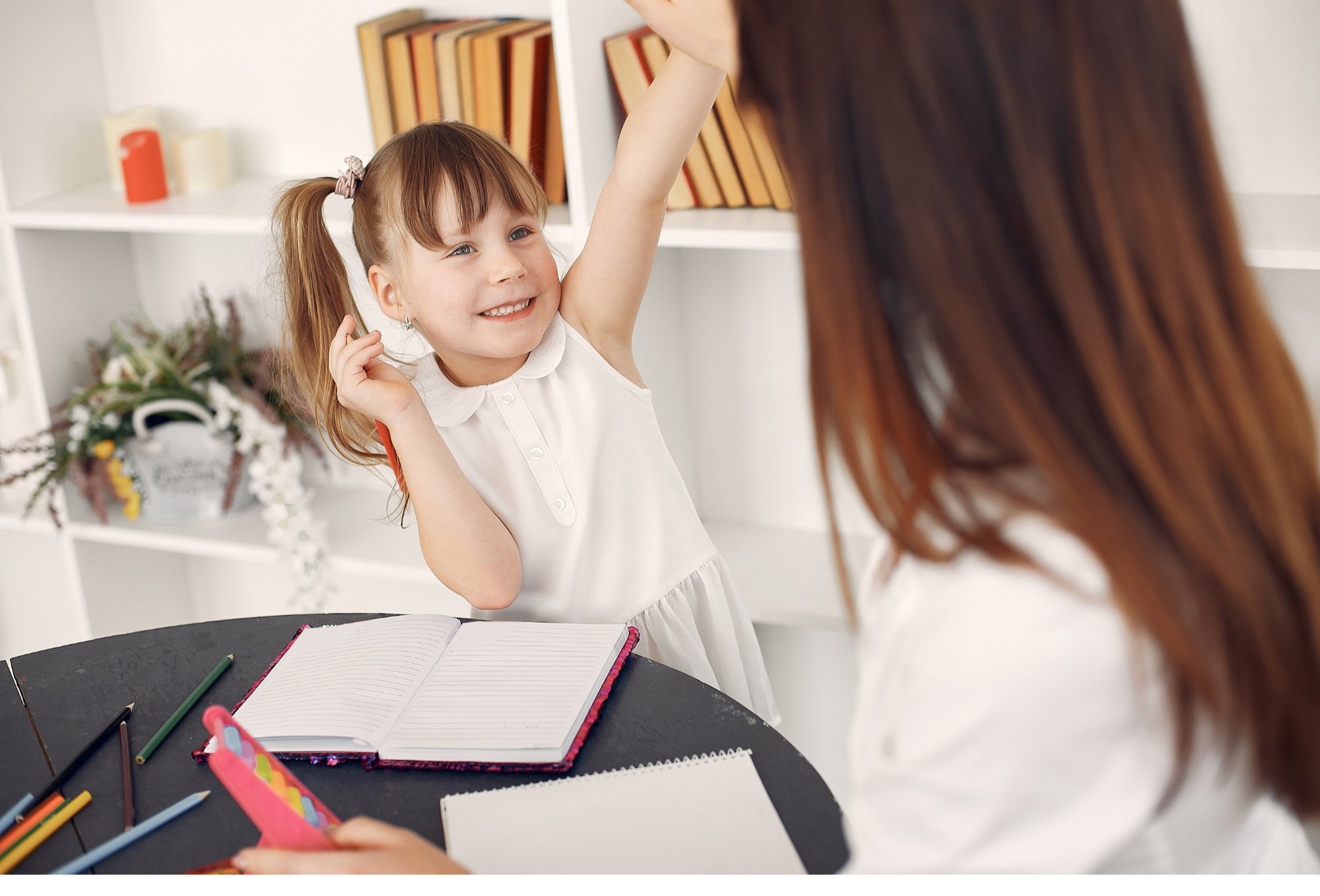
Child Therapist Tips: Building Rapport
Rapport is the foundation of effective therapy because it represents trust, respect, and positive regard. When a therapist thoughtfully establishes this connection, a child is more likely to open up, express emotions, and securely engage in the therapeutic process to facilitate healing and growth.
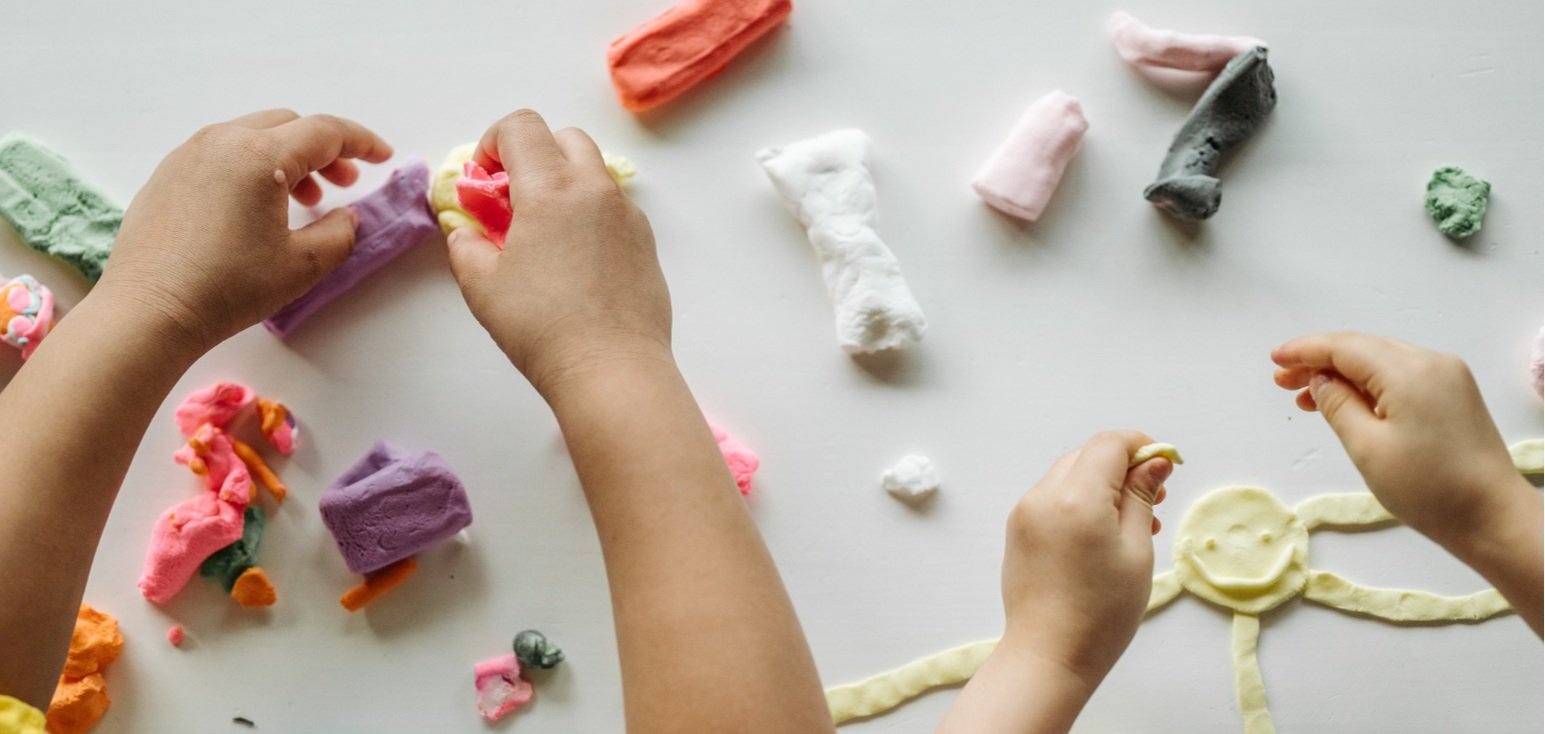
Therapeutic Activities with Play-Doh
Modeling dough (like Play-Doh) can be used as a tactile sensory tool for exploring therapeutic concepts with kids. Read on for 5 of our favorite dough activities to help kids relieve stress, exercise emotional literacy, practice coping skills, and resolve conflict.