
Pediatric Mental Health Blog
© 2026 COPYRIGHT NOTICE: All original resources, content, and materials produced and displayed on this website are the intellectual property of Child Therapy Guide. These resources are protected by copyright laws and are intended for personal, non-commercial use. Unauthorized reproduction, distribution, or any other unauthorized use of the content without explicit permission from Child Therapy Guide is strictly prohibited. Users are encouraged to enjoy and utilize the resources responsibly, respecting the copyright and intellectual property rights associated with the content. For any inquiries or requests regarding the use of our materials, please contact us through our contact form.

Social Anxiety: Let’s Make a Plan!
Social events can be overwhelming, but with guidance, kids can learn to anticipate, navigate, and thrive through uncertainty. We have collected our favorite free printable resources to help kids build confidence and prosocial skills.

Help Kids Prepare for the Holidays
Parties, events, and traditions around the holidays often alter our daily routines. This can be especially disruptive to kids who struggle with mental flexibility. With anticipated disruptions in mind, try our holiday preparedness conversation starters to promote social skills, confidence, problem-solving, and emotional regulation by helping kids feel heard, understood, and excited about the possibilities that lie ahead.
Preparedness in kids (and adults!) contributes to overall well-being and can significantly reduce dysregulated feelings and behaviors.

Infographics About Child Therapy
Our free printable infographics make complex concepts about emotional and behavioral health more accessible so that caregivers, clinicians, and educators are better able to understand and engage with the therapeutic process.
We aim to empower the community through user-friendly psycho-education, skill building, and practical application—because a deeper understanding of mental and behavioral health increases awareness, reduces stigma, and encourages early intervention.

Navigating Emotional Dysregulation in Kids
Emotional regulation is often equated with calmness, but that’s not the whole picture. Rather, emotional regulation is effective management of all emotions. Anger, sadness, frustration, jealousy, grief, excitement, shock, elation, fear are not generally “calm” emotions, but a person can experience them from a place of governance.
Read on to learn more, and explore our free printable resources!
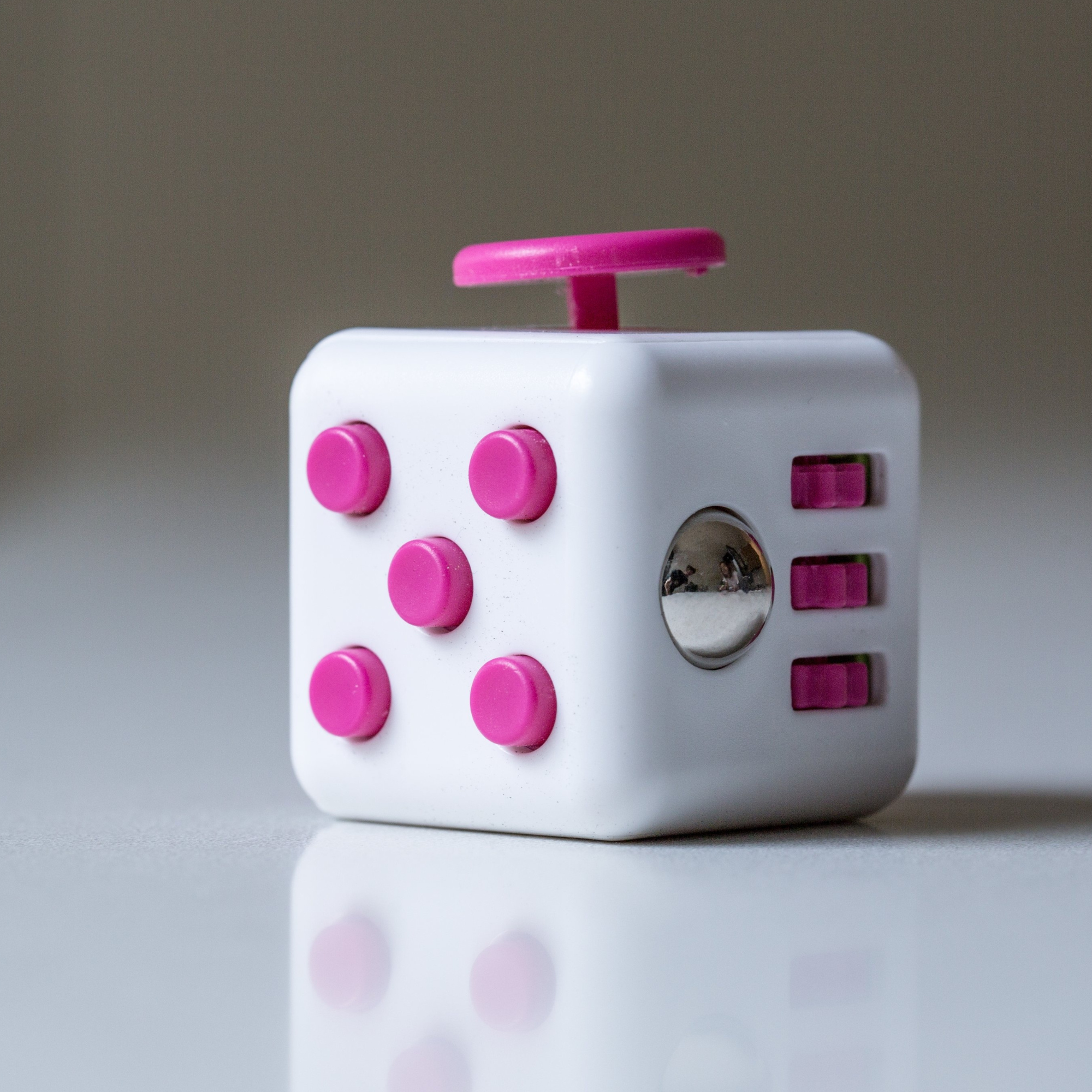
Best Fidget Toys for Kids
Fidget toys can relieve stress, reduce anxiety, and channel excess energy to support productive habits. Fidget toys are particularly beneficial for children (or adults!) with neurodivergent brains (attention-deficit/hyperactivity disorder (ADHD), autism spectrum disorder, sensory processing disorders, etc.) because they provide a physical sensory outlet for suppressed energy.
We’ve rounded up a few of our favorite fidget toys that help kids engage in therapy (also great for long commutes, waiting rooms, or quiet time)!
Sensory Processing Disorders
Children with sensory issues may struggle with textures, loud noises, crowds, food preferences, etc. These sensitivities are often seen in children with neurodevelopmental disorders such as autism spectrum disorder (ASD) or attention deficit hyperactivity disorder (ADHD), but they can also appear in otherwise typically developing children. Understanding and supporting a child’s unique sensory needs can help them feel more comfortable and engaged in their environment. Read on for more information and free printable resources.